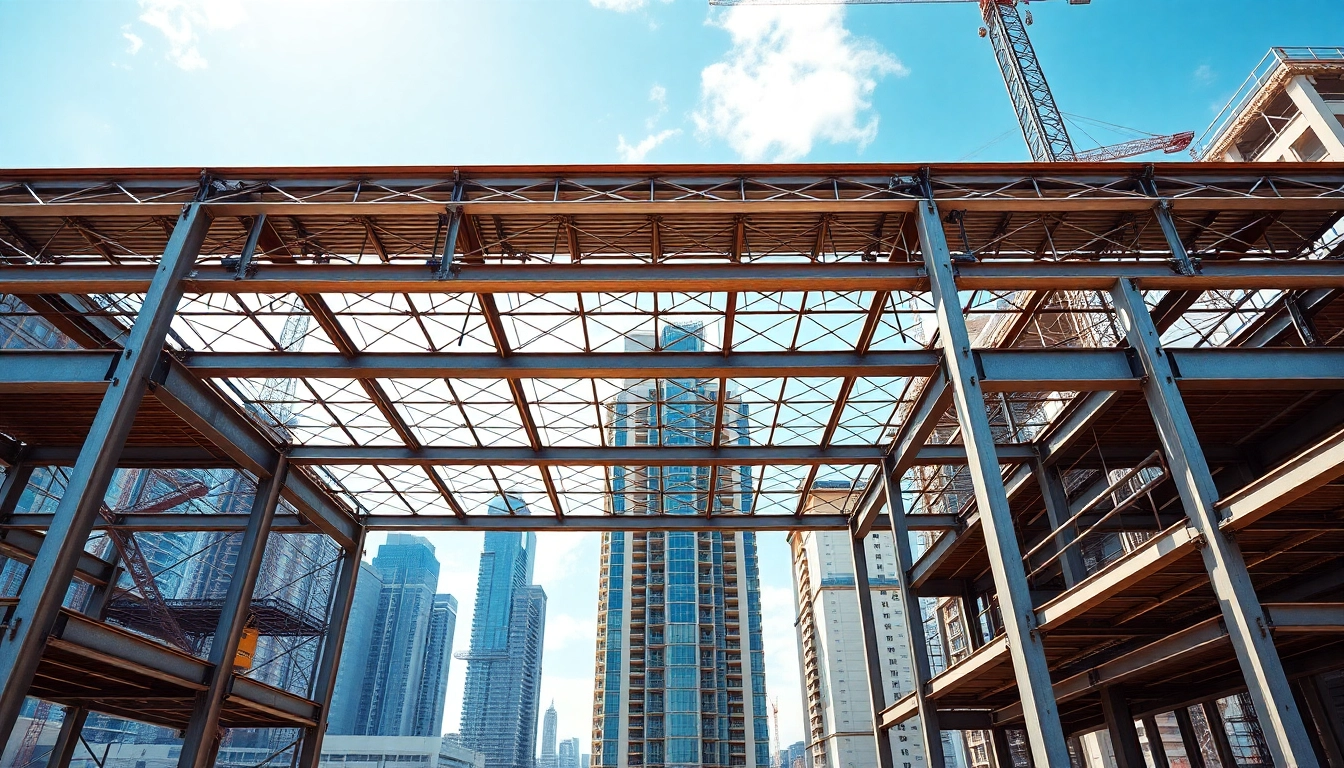

Introduction to Timber Frame Solutions
Timber frame solutions represent a sustainable and durable method of construction that has been embraced in both residential and commercial projects. By using timber as the primary structural component, these solutions offer not only aesthetic appeal but also improve energy efficiency. For those interested in exploring innovative and environmentally friendly construction methods, timber frame solutions may present an ideal option for various building needs.
What are Timber Frame Solutions?
Timber frame solutions involve constructing buildings with wooden frames that provide the primary structural support. Unlike traditional solid walls, a timber frame consists of vertical posts and horizontal beams, creating a skeleton that is then filled with insulation, sheathing, and finishing materials. This method is versatile, allowing for a variety of designs and layouts, while also significantly reducing the overall weight of the structure.
Benefits of Using Timber Frame Solutions
The advantages of timber frame solutions extend beyond mere aesthetics. Below are some key benefits:
- Sustainability: Timber is a renewable resource, especially when sourced from sustainably managed forests.
- Energy Efficiency: Timber frames can be insulated effectively, enhancing a building’s energy performance.
- Speed of Construction: Timber frames can be prefabricated off-site, leading to reduced construction time.
- Design Flexibility: They can accommodate a wide variety of architectural styles.
- Lower Carbon Footprint: Timber stores carbon, offering an environmentally friendly alternative to steel and concrete.
Key Components of Timber Frame Solutions
Understanding the key components is crucial for anyone considering timber frame solutions. Key elements include:
- Frame: Comprises vertical posts, horizontal beams, and diagonal braces.
- Wall Panels: Include insulation and exterior sheathing that support the frame.
- Roof Structure: Usually comprised of rafters and trusses that carry the roof load.
- Foundation: Provides stability and is designed to handle the load of the timber structure.
Types of Timber Frame Solutions
Traditional Timber Frame Solutions
Traditional timber framing, often associated with historical buildings, relies on centuries-old techniques. Features such as exposed beams and intricate joinery are hallmark traits. This style is particularly sought after for its charm and connection to craftsmanship, reflecting the unique skills of artisans from earlier eras.
Modern Timber Frame Solutions
Modern timber frame solutions utilize advanced engineering and materials. They incorporate innovative methods that increase efficiency and aesthetic appeal. Features such as open floor plans, large windows, and sustainable materials contribute to the contemporary design and functionality of these structures, making them popular for new residential and commercial projects.
Hybrid Timber Frame Solutions
Hybrid timber frame solutions blend timber with other materials, such as concrete or steel, to enhance the performance and design flexibility. This approach can integrate the best properties of each material, allowing builders to align a project’s specific needs and requirements. Hybrid designs can lead to innovative structures that maximize both durability and aesthetic value.
Planning Your Timber Frame Project
Assessing Project Requirements
Proper planning is the backbone of a successful timber frame project. Begin by assessing your specific requirements—this includes understanding the type and size of the building, intended use, budget constraints, and regulatory obstacles. Engaging in comprehensive discussions with stakeholders early in the planning process can mitigate issues later on.
Choosing the Right Materials
The choice of materials is crucial for the success of timber frame solutions. Considerations include the type of wood (softwood vs. hardwood), insulation materials, and finishes that align with the intended design and function. Sourcing sustainable materials not only enhances the building’s environmental credentials but can also contribute to long-term performance.
Engaging with Professionals
Collaboration with seasoned professionals is essential. Architects, structural engineers, and builders specialized in timber construction can offer insights that influence the design and functionality of the project. Their experience with timber frame solutions can help streamline processes and ensure that the final outcome meets both aesthetic and functional goals.
Installation Process for Timber Frame Solutions
Preparation and Site Setup
Before installation can occur, thorough preparation is vital. This includes site surveys and assessments, ensuring that the foundation is ready to receive the timber frame. Proper layout and logistical planning facilitate a smoother workflow during construction. Safety protocols should also be established in advance to ensure a secure working environment.
Step-by-Step Installation Guide
Here’s a simplified overview of the steps for installing timber frame solutions:
- Foundation Preparation: Ensure the foundation is solid and level.
- Frame Assembly: Assemble the frame on-site or prefabricated panels as required.
- Wall Installation: Attach wall panels to the frame, ensuring all connections are secure.
- Roof Construction: Assemble and install the roof structure, followed by roofing materials.
- Finishing Touches: Complete with insulation, exterior finishing, and interior layout.
Common Challenges During Installation
Throughout the installation process, you may encounter challenges, such as unexpected weather changes or framing misalignment. To address these, maintain clear communication among the team, carry out thorough checks during each phase, and prepare for contingencies related to material delays or design adjustments. Adapting to these challenges is part of the process.
Maintaining Timber Frame Solutions
Regular Inspection Practices
Regular maintenance is critical for ensuring the longevity of timber frame solutions. Conduct inspections once or twice a year, focusing on areas vulnerable to moisture, pest infestations, and structural integrity. Early detection of issues can save on extensive repairs and extend the lifecycle of the structure.
Repairing and Upgrading Timber Frame Solutions
Over time, repairs may be needed due to wear, weather exposure, or pest damage. Timely and appropriate repairs help maintain structural strength. Additionally, consider upgrading insulation or cladding materials for enhanced performance or aesthetics, ensuring the building continues to meet modern standards.
Long-term Care Tips
A proactive approach to long-term care extends the utility and beauty of timber frame structures. This includes regular cleaning of roofs and gutters, proper landscaping to avoid moisture buildup against the foundation, and applying protective finishes to exterior woodwork. Such measures not only preserve the integrity of the building but also enhance curb appeal.
Frequently Asked Questions
What is the lifespan of timber frame solutions?
When properly maintained, timber frame structures can last for decades, often over 50 years depending on usage and environmental factors.
Are timber frame solutions energy efficient?
Yes, they can be highly energy-efficient due to effective insulation and the natural thermal properties of timber, which helps to reduce heating and cooling costs.
What types of timber are commonly used?
Common types include softwoods like pine and fir, as well as hardwoods like oak and maple, each offering different strengths and characteristics.
Can I customize my timber frame design?
Absolutely! Timber frame solutions are highly customizable, allowing you to tailor designs to meet specific aesthetic and functional needs.
How do I maintain the aesthetics of my timber frame?
Regular cleaning, timely repairs, and applying wood preservatives can help keep your timber frame looking beautiful and prolong its lifespan.