The Definition and Scope of Technology
What is Technology?
Technology is a multifaceted term that encompasses various definitions, all rooted in the application of scientific knowledge for practical purposes. Broadly speaking, it refers to the tools, systems, and methods humans create to solve problems and enhance lives. This ranges from simple tools like the wheel to complex systems like artificial intelligence. Technology serves as a bridge between theoretical understanding and practical implementation, offering solutions that improve efficiency and effectiveness in numerous domains.
Types of Technology
Technology can be classified into several categories based on its application and purpose. Here are some prominent types:
- Information Technology: Encompasses computing, data storage, and communication systems.
- Biotechnology: Utilizes living organisms or their systems to develop products or techniques.
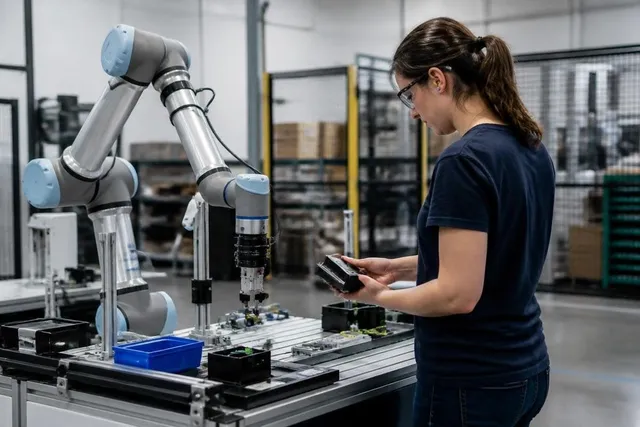
- Manufacturing Technology: Involves machines, tools, and systems that produce goods.
- Renewable Energy Technology: Focuses on alternatives to fossil fuels, such as solar, wind, and hydroelectric systems.
- Transportation Technology: Encompasses vehicles and infrastructure facilitating movement.
Importance of Technology in Daily Life
Technology is deeply embedded in the fabric of daily life. It streamlines tasks, connects individuals, enhances learning experiences, and creates opportunities for entertainment and convenience. Consider how smartphones and social networking platforms have revolutionized communication, allowing users to interact instantly across the globe. Similarly, advancements in healthcare technology have led to improved diagnostics and treatments, extending life expectancy and quality of life. In essence, technology transforms ordinary moments into extraordinary experiences, fostering development and personal growth.
The Role of Technology in Business
How Technology Transforms Operations
The integration of technology into business operations is no longer optional but essential for survival. It streamlines processes, reduces costs, and enhances output quality. For instance, automation in manufacturing not only speeds up production but also minimizes human error, fostering a more efficient workspace. Additionally, cloud computing has enabled businesses to access information and collaborate remotely, thereby promoting flexibility and productivity.
Technology's Influence on Consumer Behavior
Modern consumers are highly influenced by technology. Online shopping platforms, for instance, have transformed purchasing behaviors by providing convenience and an abundance of choices at consumers' fingertips. High-speed internet access and mobile technology allow consumers to research products comprehensively before making a purchase decision. Furthermore, social media platforms serve as vital channels for brands to engage with their audience, gather feedback, and shape perceptions. Understanding these shifts in behavior is critical for businesses to effectively cater to their customer base.
Strategic Use of Technology for Competitive Advantage
In today's competitive landscape, leveraging technology strategically can set a business apart from its competitors. Implementing customer relationship management (CRM) systems enables businesses to understand and anticipate customer needs, leading to improved customer retention. Big data analytics provide insights that inform strategic planning and operational decisions, allowing companies to pivot and adapt to market trends swiftly. Thus, smart technological investment paves the way for sustained growth and market relevance.
Emerging Technologies Shaping the Future
Artificial Intelligence and Machine Learning
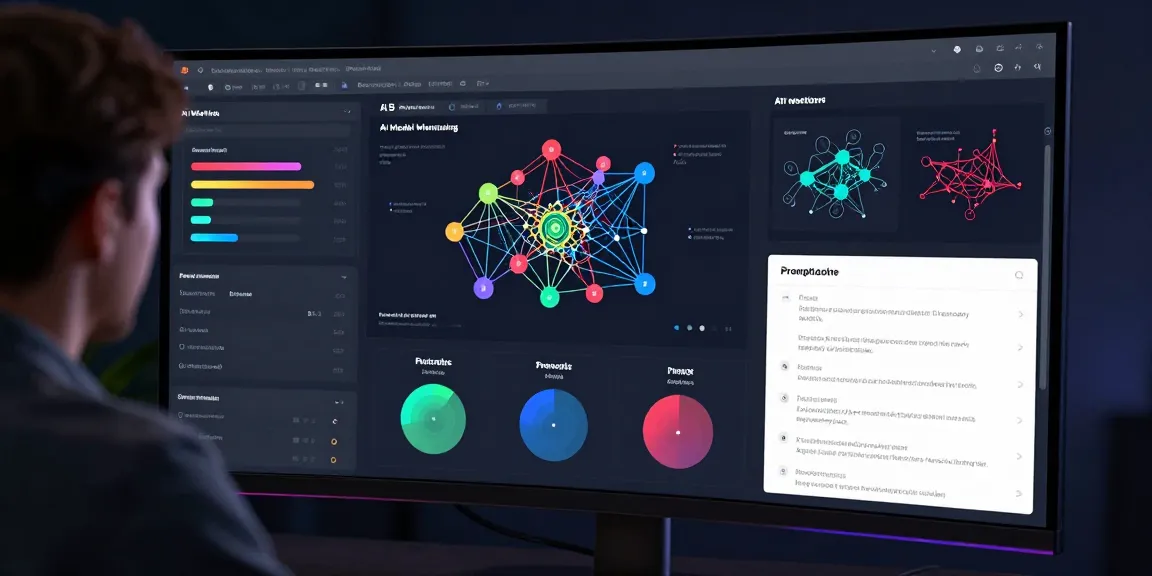
Artificial Intelligence (AI) and Machine Learning (ML) are reshaping industries through advanced data analysis, predictive modeling, and automation capabilities. These technologies allow businesses to analyze vast amounts of data swiftly, uncover patterns, and make informed decisions. From chatbots enhancing customer service to algorithms improving supply chain efficiencies, AI and ML represent a transformative trend that carries enormous potential for innovation and operational excellence.
Blockchain and Its Applications
Blockchain technology, originally developed for cryptocurrency, holds promise far beyond finance. Its decentralized and immutable nature enables secure transactions and data sharing across a variety of sectors, including supply chain management, healthcare, and real estate. By facilitating transparency and security, blockchain can build trust among parties involved in transactions and reduce fraud and disputes. The adaptability of this technology heralds a new era of decentralized operations.
The Rise of Renewable Energy Technologies
As the effects of climate change become increasingly critical, renewable energy technologies have gained significant traction. Innovations in solar panels, wind turbines, and energy storage systems are transforming the energy landscape. These technologies not only promote environmental sustainability but also reduce reliance on non-renewable resources, thus addressing global energy security challenges. The transition to renewable energy technologies is essential to achieving a sustainable future.
Challenges and Ethical Considerations in Technology
Data Privacy and Security Concerns
The increasing reliance on technology raises significant data privacy and security concerns. Cyberattacks, data breaches, and unauthorized access to personal information pose threats to individuals and organizations alike. The ethical implications surrounding data handling necessitate stringent regulations and best practices. Businesses must therefore implement robust cybersecurity measures and cultivate a culture of data responsibility to protect their stakeholders and build trust.
The Digital Divide: Inequality in Access
Despite the advancements in technology, a significant digital divide remains prevalent. Marginalized communities often lack access to essential technological resources, resulting in disparities in education, employment opportunities, and overall quality of life. Addressing this inequality requires collaborative efforts between governments, private sectors, and non-profit organizations to provide infrastructure, training, and support for underserved populations. Bridging the digital divide is crucial to ensuring equitable access to the benefits of technology.
Managing Technological Addiction
As technology continues to permeate everyday life, concerns regarding technological addiction have surfaced. Excessive screen time and social media engagement can lead to adverse mental health effects and impair personal relationships. Therefore, promoting a balanced relationship with technology through awareness, education, and setting boundaries is essential. Encouraging mindfulness practices and taking regular breaks can assist users in maintaining a healthy relationship with technology.
Measuring Technology's Impact on Society
Key Performance Indicators for Technology Assessment
To gauge the effectiveness of technology in different sectors, key performance indicators (KPIs) can be established. KPIs might include metrics such as productivity improvements, cost savings, employee satisfaction, customer retention rates, and return on investment. By systematically assessing these metrics, organizations can identify areas of strength and opportunities for improvement, ensuring they maximize technology's potential.
Consumer Feedback and Adaptation
Continuous feedback from consumers is crucial for businesses to adapt and innovate with technology. Utilizing tools such as surveys, social media listening, and customer reviews can provide invaluable insights into user experiences and preferences. This feedback loop fosters a responsive business model that embraces change and continuously aligns with consumer expectations, driving long-term success.
The Long-Term Effects of Technology on Society
As technology evolves, its long-term implications for society are profound. While it offers unprecedented conveniences and efficiencies, it also presents challenges that must be addressed thoughtfully. Issues related to employment displacement due to automation, socio-economic inequalities, and ethical dilemmas surrounding data privacy and security are all concerns stakeholders must reckon with. Ultimately, a balanced approach that harnesses technology's benefits while mitigating its risks will shape a more equitable and sustainable society.