Introduction to Burj Al Arab
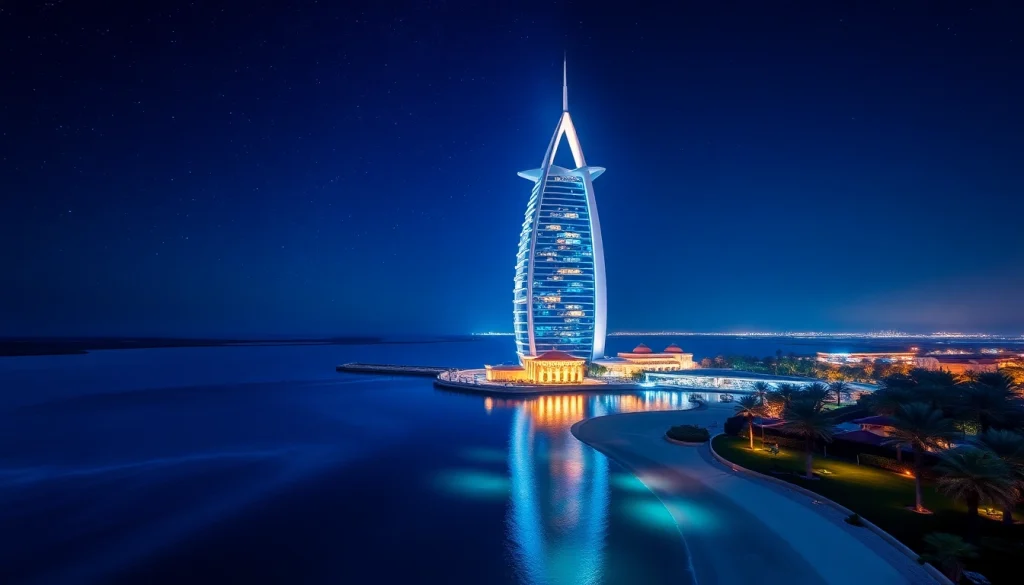
The Burj Al Arab, often referred to as the world’s most luxurious hotel, stands as an iconic testimony to Dubai’s extravagant spirit. Rising dramatically from the Arabian Gulf and resembling a billowing sail, this architectural marvel has become synonymous with opulence and exclusivity. Since its opening in 1999, the Burj Al Arab has not only redefined luxury accommodations but has also set a benchmark for hotels worldwide, boasting unparalleled services and amenities that cater to the most discerning guests.
History and Significance of Burj Al Arab
The Burj Al Arab was conceptualized by the Jumeirah Group, with an ambition to create a unique and luxurious hotel experience that would attract tourists to Dubai. Designed by architect Tom Wright of WKK Architects, the hotel was constructed on a man-made island, connected to the mainland by a private curving bridge. Its launch was part of a broader vision to transform Dubai into a global tourism hub, positioning the city as a leader in luxury travel.
Initially, the Burj Al Arab was marketed as the world’s first seven-star hotel, although the official rating system only recognizes five stars. This branding was a testament to its luxurious offerings and the exceptional level of service available to guests, which includes a fleet of Rolls-Royce cars and a private helicopter for transfers. Each of its 202 suites provides an upscale experience, emphasizing the significance of the hotel in promoting Dubai as a premier destination.
Architectural Marvel: Design Features
The design of the Burj Al Arab is both innovative and striking, attracting admiration from architects and tourists alike. Standing 321 meters tall, it is the fourth tallest hotel in the world and features a distinctive silhouette that mimics the shape of a sail. The building’s exterior is clad in a double-skinned Teflon-coated glass, allowing it to withstand the harsh desert environment while also reflecting the shifting hues of the sky.
Inside, the Burj Al Arab is a masterpiece of luxury. The atrium, measuring 180 meters high, is adorned with luxurious materials such as gold leaf, marble, and intricate mosaics. Each suite features state-of-the-art technology, from customizable lighting to private cinemas, ensuring that guests experience the height of modern luxury. In addition to its aesthetic appeal, the hotel incorporates sustainable practices, underscoring its commitment to responsible luxury.
Understanding Luxury: What Makes Burj Al Arab Unique
What truly distinguishes the Burj Al Arab is its commitment to providing an unparalleled luxury experience. From personalized butler services for each suite to exotic offerings such as a private beach and a world-renowned spa, every aspect of the hotel is designed with the guest’s comfort in mind. The hotel features nine signature restaurants, each offering a unique dining experience that caters to a variety of palates and preferences.
The exclusivity of the Burj Al Arab extends to its clientele as well. The hotel is not open to the general public, ensuring that every guest enjoys a level of privacy and security that is rarely found elsewhere. The attention to detail in service and amenities reinforces the notion that staying at the Burj Al Arab is not just a hotel experience, but a lifestyle.
Experiencing Burj Al Arab
Overview of Accommodation Options
The accommodation at the Burj Al Arab is characterized by its luxury and uniqueness. All suites, ranging from the opulent Arabian Suite to the extravagant Royal Suite, are designed to provide a level of comfort and elegance that is difficult to match. Each suite features panoramic views of the Arabian Gulf, sumptuous furnishings, and lavish amenities, including private balconies and Jacuzzis.
Guests can expect a seamless blend of traditional Arabic hospitality with modern luxury. With rates starting at several thousand dirhams per night, the hotel caters to high-end travelers seeking exclusivity and sophistication. The interior design reflects a rich cultural heritage while incorporating contemporary aesthetics, creating spaces that are both welcoming and lavish.
Fine Dining: Restaurants Inside Burj Al Arab
The culinary offerings at Burj Al Arab are a highlight of the guest experience. The hotel hosts several acclaimed restaurants, each offering a distinct culinary journey. One of the most prestigious is Al Muntaha, located on the 27th floor, providing stunning views of the Dubai skyline along with gourmet dining crafted by renowned chefs.
For those seeking a more casual dining experience, the Scape Restaurant & Bar offers an innovative menu with dishes inspired by the flavors of California, all set against the backdrop of the Persian Gulf. The hotel also features a lavish champagne lounge, an exclusive afternoon tea experience, and even an underwater restaurant, creating an array of options that cater to diverse tastes.
Exclusive Services and Amenities
The Burj Al Arab takes pride in its exceptional services that go beyond mere accommodation. Guests can enjoy complimentary transfers in a Rolls-Royce, access to private cabanas on the beach, and personalized spa treatments in the award-winning Talise Spa. The hotel also hosts an array of recreational facilities, including an infinity pool, tennis courts, and a private beach.
In addition to luxurious services, the hotel offers exclusive experiences such as private yacht charters and helicopter tours of the city, ensuring that every guest can immerse themselves in the grandeur of Dubai. This level of personalized service and attention to detail further solidifies the Burj Al Arab’s reputation as a leader in luxury hospitality.
Visiting Burj Al Arab: What to Expect
Touring Burj Al Arab: Options and Packages
For those wishing to explore the Burj Al Arab without staying overnight, guided tours are available. These tours provide insight into the architectural brilliance and luxurious amenities of the hotel, often including access to exclusive areas such as the lobby and restaurants. Packages vary, but many include refreshments and the opportunity to learn about the hotel’s history and significance in Dubai’s development.
Tourists can book these experiences through the hotel’s official website or through authorized tour operators, ensuring a legitimate and enriching experience. The tours are designed to showcase the hotel’s striking beauty and opulence while imparting knowledge about its status in the global hospitality scene.
Dining Reservations: Accessing the Hotel
While the Burj Al Arab is primarily a private hotel, non-residents can access its world-class dining options with advanced reservation. Booking a meal at one of the hotel’s signature restaurants is often the most accessible way for visitors to experience the luxury of the Burj Al Arab without an overnight stay. The afternoon tea at the Skyview Bar is particularly popular, offering guests a chance to enjoy breathtaking views and delicious culinary creations.
It is advisable to make reservations well in advance, especially during peak tourist seasons, as these experiences are highly sought after. Additionally, guests are required to adhere to a smart casual dress code, ensuring that the ambiance of luxury is maintained throughout the dining experience.
Best Times to Visit and Ticket Pricing
The ideal time to visit Dubai, and consequently the Burj Al Arab, generally falls between November and March when the weather is pleasantly mild. During this season, many tourists flock to the city, making it important for visitors to plan ahead and secure accommodations and dining reservations early.
As for tickets, guided tours of the Burj Al Arab typically range from 500 to 700 AED, providing excellent value for a comprehensive look at this iconic establishment. For dining, prices can vary significantly, with options available for every budget, though the overall experience remains firmly rooted in luxury regardless of the choice.
Burj Al Arab in Popular Culture
The Symbol of Luxury Beyond Dubai
The Burj Al Arab has transcended the realm of mere hospitality to become a cultural icon. It symbolizes not just luxury accommodation but also the audacity of modern architecture and the impressive ambitions of Dubai as a city. It has frequently been featured in travel guides, luxury publications, and lifestyle blogs, highlighting its status as a must-visit location on any travel itinerary.
Recognized worldwide, the Burj Al Arab serves as a backdrop for various media, including fashion shoots and high-profile events. Its unique silhouette is often used in advertisements and marketing materials seeking to evoke a sense of luxury and exclusivity.
Media Features and Movie Appearances
The hotel has featured in numerous films, television series, and documentaries, reinforcing its image as a hallmark of luxury. Films such as “Mission: Impossible – Ghost Protocol” and reality shows often showcase the Burj Al Arab as a prime destination, cementing its reputation on a global stage.
Documentaries that explore the architecture and culture of Dubai frequently highlight the Burj Al Arab, discussing its construction, design features, and the experience of guests. These portrayals contribute to the hotel’s allure and status in popular culture, drawing in guests who wish to be part of its storied narrative.
Social Media Buzz: Influencers and Burj Al Arab
Social media has played a significant role in popularizing the Burj Al Arab, with influencers and travel bloggers frequently showcasing their experiences at the hotel. Stunning visuals of the hotel’s interiors, exquisite dining, and breathtaking views dominate platforms like Instagram, attracting a younger demographic eager for unique travel experiences.
The hotel engages with social media trends, often hosting influencer events that highlight new offerings, seasonal menus, or exclusive packages, further enhancing its visibility and appeal. This social media presence not only fuels interest in the Burj Al Arab but also maintains its status as a desirable destination in the luxury travel segment.
The Future of Burj Al Arab
Trends in Luxury Hospitality for 2025
As the luxury hospitality sector evolves, the Burj Al Arab is set to remain at the forefront of innovation and excellence. In 2025, trends indicate a significant focus on sustainability, personalized guest experiences, and the integration of technology in hospitality. The Burj Al Arab aims to enhance its offerings while maintaining its commitment to luxury, ensuring it meets the ever-changing expectations of its clientele.
With the rise of eco-conscious travel, the hotel is likely to implement further sustainability initiatives, encompassing everything from energy-efficient practices to locally-sourced culinary ingredients. This shift not only caters to the demands of modern travelers but also reinforces its image as a responsible luxury destination.
Sustainability Initiatives at Burj Al Arab
In response to growing environmental concerns, the Burj Al Arab has begun to adopt various sustainability measures aimed at reducing its carbon footprint. Initiatives include energy-efficient systems, water conservation practices, and a focus on local cuisine in its restaurants to minimize food miles.
Moreover, the hotel is exploring partnerships with sustainable brands and eco-friendly organizations, further establishing its commitment to sustainability in the luxury sector. These efforts not only benefit the environment but also appeal to a segment of travelers who prioritize eco-friendly practices in their travel decisions.
Innovations in Guest Experience: What’s Next
Looking ahead, the Burj Al Arab is exploring new innovations in guest experience that leverage technology while maintaining personal touches. From virtual concierge services to enhanced in-suite technologies, the focus will be on creating seamless and memorable experiences for guests.
Augmented reality tours and interactive dining experiences may soon become a staple, offering guests unique ways to engage with the hotel’s offerings. As luxury continues to evolve, the Burj Al Arab remains committed to enhancing its reputation as a beacon of elegance and exclusivity, ensuring its position as a leader in the luxury hospitality market.