Understanding the Basics of Fly Fishing Bags
What is a Fly Fishing Bag?
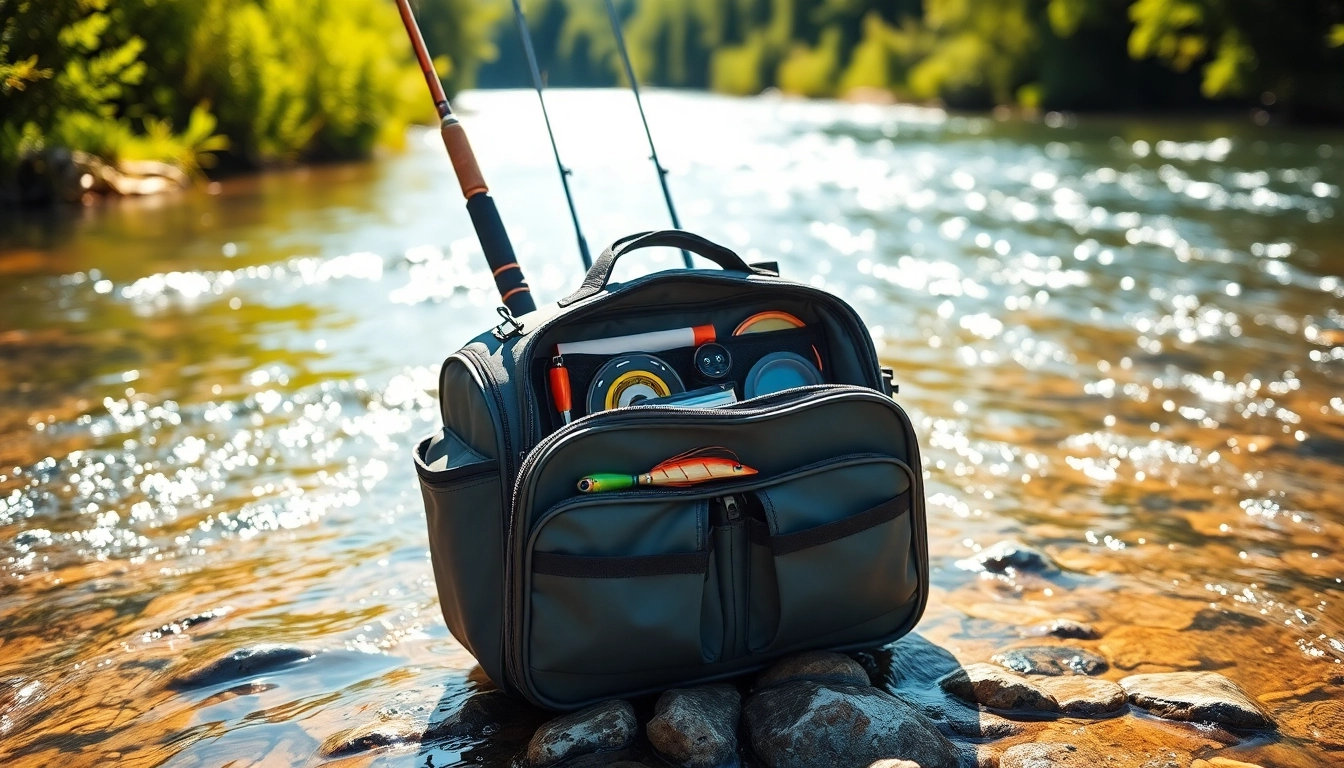
A Fly fishing bag is specifically designed to carry essential gear for fly fishing. Unlike traditional tackle boxes, these bags often feature compartments for storing flies, leaders, tippets, and various accessories while maintaining easy access during fishing trips. Their design focuses on portability, water resistance, and accessibility, ensuring that anglers can fish efficiently without cumbersome baggage.
Key Features to Look For
When selecting a Fly fishing bag, consider the following key features:
- Water Resistance: Essential for keeping gear dry during wet conditions.
- Durability: Look for tough materials that withstand abrasions and wear.
- Organization: Multiple compartments facilitate the organization of tools and tackle.
- Comfort: Padded straps and ergonomic designs enhance user comfort during long fishing sessions.
- Accessibility: Quick-access pockets or external storage options can save time when flies need changing.
Common Types of Fly Fishing Bags
Fly fishing bags come in various types, each catering to different fishing styles and preferences. The most common types include:
- Chest Packs: Worn at the front, providing quick access to flies and tools.
- Sling Packs: A crossover design providing flexibility and accessibility.
- Backpacks: Ideal for longer excursions, often with additional storage for non-fishing gear.
- Hip Packs: Convenient for wading anglers, offering easy access while keeping gear lightweight.
Why a Good Fly Fishing Bag Matters
Importance of Durability
Durability in a Fly fishing bag is paramount due to the demanding nature of fishing environments. Rugged terrains and exposure to water can lead to wear and tear. A high-quality bag not only protects your gear but also saves costs in the long run through fewer replacements.
Comfort and Ergonomics
Comfort is crucial, especially for those long days on the water. A well-designed fly fishing bag with padded straps and adjustment capabilities helps prevent fatigue and strain. Ergonomics can enhance mobility and allow for better casting and retrieving while minimizing discomfort.
Storage Capabilities
Proper storage capabilities are critical in keeping fishing gear organized and easily accessible. A good fly fishing bag offers ample pockets, compartments, and specialized storage solutions for different items like tippets, flies, and strike indicators, making gear retrieval much quicker and allowing anglers to focus on fishing rather than searching for equipment.
How to Choose the Right Fly Fishing Bag
Assessing Your Fishing Style
Your fishing style plays a major role in selecting a Fly fishing bag. If you’re wading in rivers, a chest pack or hip pack may be more suited for quick access. Conversely, if you prefer a full-day hike style, a backpack (with ample storage) could be more beneficial. Understand your fishing habits—this is integral to your choice.
Material Selection
Choosing the right material is crucial for the longevity of your fly fishing bag. Look for high-denier nylon for lightweight yet durable options. Additionally, materials with a waterproof or water-resistant coating can be essential for protection against rain and splashes.
Size and Capacity Considerations
The size of your Fly fishing bag will depend on the length of your trips and how much gear you typically need. For shorter outings, a smaller bag may suffice, while longer expeditions may require a larger capacity to carry essentials as well as emergency supplies and provisions. Make sure to evaluate your needs, matching your bag choice accordingly.
Care and Maintenance for Your Fly Fishing Bag
Cleaning Techniques
To prolong the life of your Fly fishing bag, proper cleaning is essential. After use, remove contents and clean any dirt with mild soap and water. Rinse thoroughly and let air dry, as heat from dryers can damage materials. Regular cleaning helps maintain appearance and performance.
Storage Solutions
When not in use, store your bag in a cool, dry place away from direct sunlight to avoid fading and material degeneration. Consider using moisture-absorbing products inside if you live in humid environments to prevent mold and mildew.
Long-term Care Tips
Inspect your Fly fishing bag periodically for wear, such as fraying straps or zippers that may need lubrication. Address minor issues before they escalate—this proactive approach can extend the bag’s life and ensure all your gear remains secured.
Frequently Asked Questions
What size Fly fishing bag do I need?
The size of your Fly fishing bag depends on how much gear you carry and the duration of your trips. For short trips, a compact bag is sufficient; longer excursions typically require larger capacity options.
Are there waterproof Fly fishing bags?
Yes, many Fly fishing bags are made from waterproof materials or feature water-resistant coatings, ensuring your gear stays dry in wet conditions.
Can I use a Fly fishing bag for other activities?
Absolutely! While designed for fishing, Fly fishing bags can also serve well for hiking, photography, or as general outdoor gear bags due to their organizational features.
What is the average price range for a Fly fishing bag?
Prices for Fly fishing bags vary significantly based on features and brand reputation, typically ranging from $30 to $300.
How do I organize my Fly fishing bag?
Organizing your Fly fishing bag involves grouping items by type. Use smaller bags or compartments for flies, tools, and accessories to ensure easy access and visibility while fishing.