Understanding Steel Structure Design
Steel structure design is a pivotal component of modern architecture and civil engineering. It not only influences the aesthetic appeal of buildings but also their structural integrity and longevity. With the versatility and strength of steel, which is a preferred material for constructing various structures, mastering steel structure design leads to safer, more efficient builds. Understanding these principles is essential for architects, engineers, and construction professionals who aim to innovate and excel in their projects. By leveraging a disciplined approach towards steel structure design, industry experts can ensure a foundation for lasting excellence, efficiency, and safety in infrastructure development.
Definition and Importance
Steel structure design refers to the methodology applied in creating framework systems that are primarily made from steel. These structures are commonly used in an array of applications ranging from residential buildings to complex industrial facilities. The importance of steel structure design lies in its ability to provide durability, resilience, and flexibility. Steel’s capacity to withstand various loads, including wind, seismic, and live loads, is a vital aspect that contributes to the overall safety and stability of buildings.
Applications in Construction
Steel structures are utilized in a broad spectrum of construction projects due to their numerous advantages. Applications include:
- High-Rise Buildings: Steel’s strength allows for taller buildings with lighter materials, making it an ideal choice for skyscrapers.
- Bridges: Steel is commonly used in bridge construction due to its load-bearing capabilities and resilience against elements.
- Industrial Facilities: Warehouses and manufacturing plants frequently employ steel frameworks for scalability and structural integrity.
- Residential Projects: Contemporary homes often integrate steel beams and supports, blending beauty with strength.
Key Components of Steel Structures
Understanding the components is essential. Key elements include:
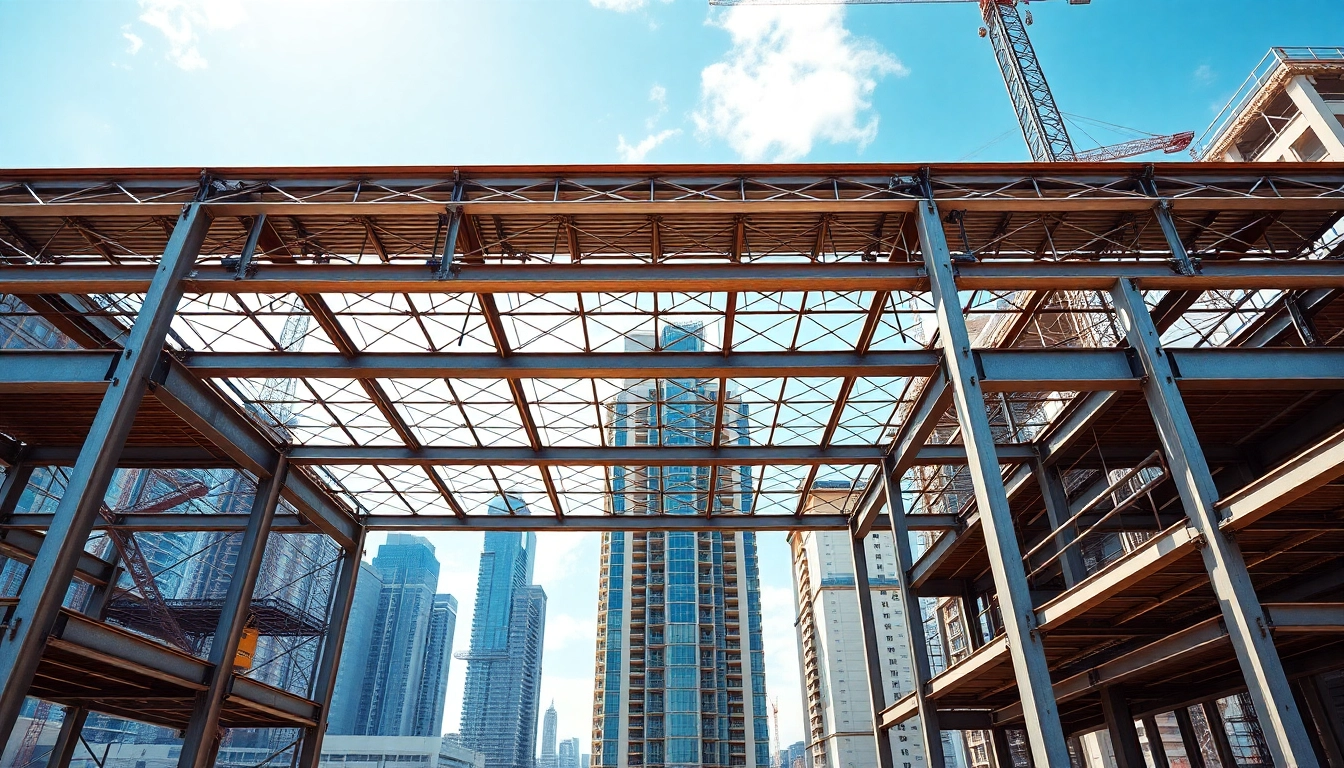
- Columns: Vertical supports that transfer loads to the foundation.
- Beams: Horizontal elements that span the distance between columns, supporting floors and roofs.
- Bracing: Provides stability, especially in windy locations, by preventing lateral movement.
- Connections: Where different elements meet, connections must be design-optimized to ensure structural soundness.
Fundamental Principles of Steel Structure Design
Load-Bearing Capacity
The load-bearing capacity of a steel structure is critical. It refers to the maximum load that a structure can safely support. Engineers use detailed calculations to determine appropriate materials and dimensions to ensure safety under anticipated loads. Factors affecting load-bearing capacity include material properties, geometry, and the method of connection between elements.
Stability and Strength
Stability is essential for steel structures to prevent failure under various conditions. This implies that structures must be designed to resist deformation, buckling, or collapse. Strength aspects are often governed by factors such as the selection of grades of steel, structural shapes, and ensure adequate supports are in place at crucial load points.
Design Codes and Standards
Adherence to localized and international design codes is mandatory. These codes outline safety, performance, and design standards. The following are vital documents in the field:
- American Institute of Steel Construction (AISC): Guides principles for structural steel design in the U.S.
- Eurocode: A set of European standards covering design of steel structures.
- Local Building Codes: Specific regulations that must be met depending on geographic location.
Methods for Effective Steel Structure Design
Simple vs. Continuous Designs
In steel structure design, one must decide between simple and continuous designs. Simple designs consist of individual structural elements connected in a straightforward manner. Continuous designs, however, involve elements spanning over multiple supports and offer enhanced load distribution and stability. Engineers often assess the benefits and drawbacks of each method based on specific project requirements.
Innovative Design Approaches
Advancements in technology have introduced innovative approaches in steel structure design. Techniques such as parametric modeling, where computer algorithms assist in developing complex forms, and the use of 3D printing for constructing elements are gaining traction. Emphasizing adaptive reuse of materials and modular construction techniques are recent trends aimed at improving sustainability.
Software and Tools for Design
Utilizing robust software tools for design can significantly enhance the efficiency of engineers and architects. Tools such as Revit, SAP2000, and Tekla Structures aid in the visualization, analysis, and optimization of designs before construction begins. These applications facilitate collaborative work, allowing teams to work on intricate projects effectively.
Common Challenges in Steel Structure Design
Technical Hurdles
Steel structure design often faces technical challenges, including ensuring precision in calculations for load effects and addressing dynamic forces such as seismic activity. Implementing advanced computational methods and regular training of professionals in these aspects helps mitigate these challenges.
Material Selection Issues
Choosing the right type of steel based on the specific requirements of a project presents challenges. Properties such as corrosion resistance, weldability, and the required strength must align with project specifications. Comprehensive material research and consideration of environmental factors guides optimal material selection.
Cost Management Techniques
Cost overruns are a prevalent issue in construction projects. Effective techniques for managing costs include thorough project planning, accurate risk assessment, and value engineering, which identifies cost-effective alternatives without sacrificing quality or safety.
Best Practices for Successful Steel Structure Design
Quality Assurance Measures
Implementing quality assurance (QA) processes is essential throughout the design and construction phases. Regular audits, testing of materials, and continuous monitoring of construction practices ensure compliance with safety standards and specifications.
Sustainability in Design
Sustainable steel structure design emphasizes reducing environmental impact. Techniques may include using recycled materials, integrating energy-efficient designs, and considering life cycle assessments to ensure sustainable practices are maintained from conception through the life of the building.
Collaboration with Stakeholders
Collaboration is crucial in steel structure design. Engaging with stakeholders, including architects, clients, and construction teams, ensures that all perspectives are considered, leading to balanced design choices that fulfill project goals while remaining pragmatic.
What are the key steps in steel structure design?
The key steps include determining design requirements, selecting materials, performing load calculations, and adhering to building codes.
How do architects use steel in building design?
Architects utilize steel for its strength, flexibility, and longevity, allowing for innovative architectural designs.
What are the advantages of using steel structures?
Steel structures are strong, lightweight, and resistant to extreme weather, making them ideal for various building applications.
Are there specific regulations for steel structure design?
Yes, steel structure designs must comply with local building codes and standards to ensure safety and performance.
How can I learn more about steel structure design?
Resources like online courses, textbooks, and professional workshops provide in-depth knowledge on steel structure design.