Understanding Steel Structure Design
Steel structure design serves as the backbone of modern architecture and engineering, providing robustness, versatility, and aesthetic appeal. As architects and engineers increasingly turn to steel for constructing buildings, bridges, and other infrastructures, understanding the principles and processes involved in steel structure design becomes paramount. In this comprehensive guide, we will delve into the fundamentals of steel structure design, exploring key terminology, its significance in architecture, and core design principles.
Fundamentals of Steel Structure Design
Steel structure design combines principles of physics and engineering to ensure that structures can safely bear loads and withstand environmental factors. The design process often begins with understanding the project’s requirements, including its intended use, size, and budget. Before any physical work begins, detailed calculations are carried out, often involving the analysis of load distributions, material characteristics, and construction methods. Introducing innovative approaches, such as parametric design and digital fabrication, has enriched the traditional methodologies used in steel structure design.
Key Terminology in Steel Structure Design
Familiarity with the vocabulary of steel structure design is essential for effective communication among stakeholders. Here are some important terms:
- Load: Refers to any force or weight applied to a structure, which can be static (permanent) or dynamic (variable).
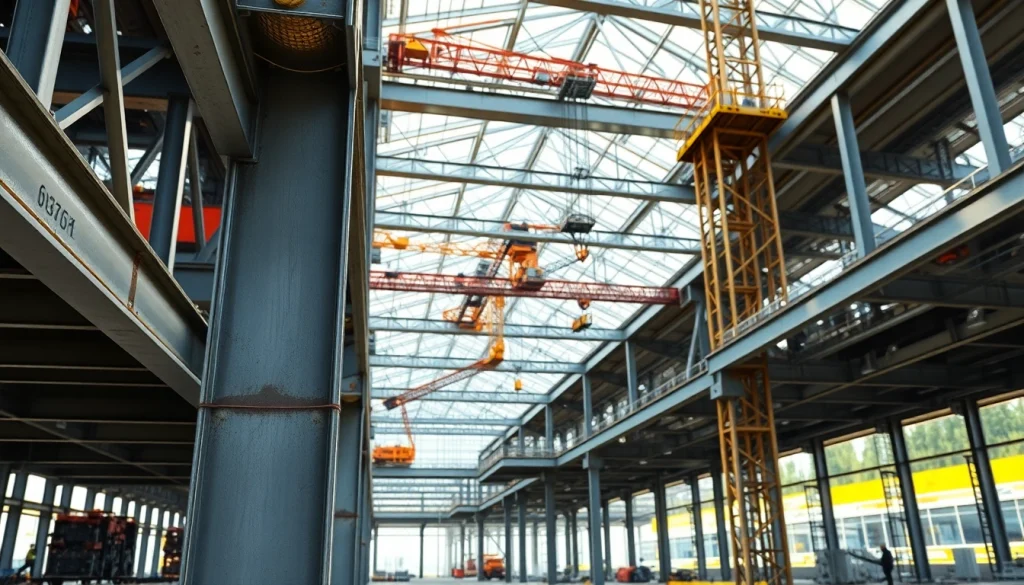
- Beams: Horizontal structural members that support loads and distribute them to the vertical columns.
- Columns: Vertical elements that transfer loads from beams to the foundation.
- Trusses: Frameworks created by connecting multiple beams, providing enhanced strength.
- Connection: The method by which two or more structural elements are joined.
The Importance of Steel in Architecture
Steel’s appeal in architecture stems not only from its strength but also from its aesthetic flexibility. Its ability to form large spans without the need for additional supports opens vast opportunities for creative architectural designs. Furthermore, modern construction techniques allow for innovative applications of steel in various architectural contexts, including residential, commercial, and industrial projects. The use of steel can lead to shorter construction times, with prefabricated components enabling rapid assembly on-site.
Design Principles and Considerations
Load-Bearing and Structural Integrity in Steel Structure Design
Understanding load-bearing principles is crucial in steel structure design, as it ensures the stability and longevity of the building. In this phase, engineers calculate both point loads and distributed loads, accounting for factors like dead loads (permanent static forces) and live loads (dynamic forces that vary over time). Structural integrity is achieved through rigorous analysis, employing methods such as finite element analysis (FEA) to simulate how steel will respond under various conditions.
Common Design Specifications and Standards
Adhering to design specifications and industry standards is vital for safety and compliance. Key organizations such as the American Institute of Steel Construction (AISC) provide guidelines that dictate material specifications, design methodologies, and fabrication standards. Familiarity with standards like Eurocode 3 or the AISC Steel Construction Manual ensures that engineers design structures that are both safe and effective in their performance.
Material Selection for Optimal Steel Structure Design
Selecting the right materials is paramount in steel structure design, as it influences the overall durability, weight, and cost of the structure. Various types of steel, such as structural steel and high-strength steel, offer different properties suited to specific applications. Understanding corrosion-resistant treatments and their implications on lifespan is equally essential, especially in challenging environments.
Advanced Steel Structure Design Techniques
Innovative Methods for Steel Structure Design
Emerging technologies are transforming the way designers approach steel structure design. Techniques such as Building Information Modeling (BIM) facilitate cooperative planning and visualization, allowing for integrated project delivery. Parametric design and generative design further contribute to optimizing structural performance by creating myriad design proposals based on specific parameters, leading to innovative yet practical solutions.
Software Tools for Steel Structure Design
Paradigms in steel structure design are also shifting with advancements in software tools tailored for engineers. Applications such as SAP2000, STAAD.Pro, and Tekla Structures allow for detailed analysis and modeling of structural components. These tools provide engineers with the ability to simulate structural behavior under various conditions, optimizing designs while saving time and resources.
Case Studies of Successful Steel Structure Design
By examining exemplary projects, we can glean valuable insights into the successful implementation of steel structure design principles. Notable structures such as the Burj Khalifa and Sydney’s Steel Arch Bridge illustrate how design innovation and strategic engineering can result in iconic constructions that maximize steel’s attributes while addressing practical challenges.
Challenges in Steel Structure Design
Common Pitfalls and How to Avoid Them
Even experienced designers can encounter pitfalls during the design process. Common mistakes include underestimating load conditions or failing to consider long-term effects such as thermal expansion and contraction. To avoid these missteps, continuous education on design principles and staying abreast of technological advancements are crucial. Engaging in peer reviews and adopting a collaborative approach can further mitigate risks.
Environmental Factors in Steel Structure Design
Environmental considerations play a significant role in steel structure design. Factors such as local climate, seismic activity, and soil conditions must be taken into account to enhance structural safety and performance. Employing sustainable design practices, such as reducing the carbon footprint and choosing eco-friendly materials, can also result in more resilient structures.
Regulatory Compliance and Safety in Steel Structure Design
Complying with building codes and regulations is non-negotiable for any steel structure design project. Local, state, and federal regulations dictate safety standards that must be meticulously followed. Regular inspections and certifications ensure that structures not only meet legal requirements but also promote public safety and trust.
Future Trends in Steel Structure Design
Sustainability in Steel Structure Design
The future of steel structure design is heavily leaning towards sustainability. Innovations in recycling and repurposing steel are paving the way for more ecologically responsible constructions. The industry is evolving to prioritize sustainable practices, such as utilizing green building materials and implementing energy-efficient designs, influenced by the increasing global emphasis on reducing carbon emissions.
Technological Innovations Impacting Steel Structure Design
Technological advancements are revolutionizing how we design and construct steel structures. Artificial intelligence (AI) and machine learning are increasingly being integrated into design processes, enabling predictive maintenance and performance evaluations. Advances in robotics, coupled with automation in manufacturing, allow for heightened efficiency and reduced labor costs in steel fabrication.
The Role of Automation in Steel Structure Design
Automation has emerged as a pivotal force in streamlining the steel structure design process. From automated design tools that assist in generating compliant designs to robotic machinery that enhances precision in fabrication, the role of automation cannot be overstated. This shift not only boosts productivity but also minimizes human error, contributing to safer and more reliable structures.