
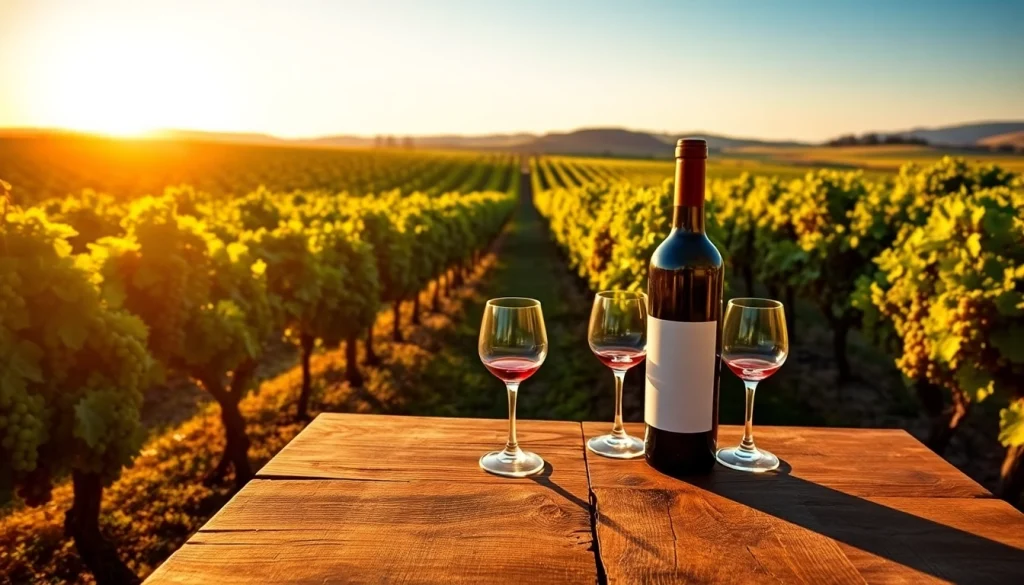
Understanding Sacramento Wineries
The allure of Sacramento Wineries extends beyond the beautiful landscapes and tranquil surroundings; it embodies a rich culture that celebrates the art of winemaking. The region’s diverse climate and geography contribute uniquely to the varietals produced here, making it a remarkable destination for both casual wine drinkers and connoisseurs alike.
History and Evolution of Sacramento Wineries
The history of winemaking in the Sacramento region dates back to the mid-1800s, when early settlers recognized the fertile soil and favorable climate for grape cultivation. With the Gold Rush enticing thousands to California, many immigrant families brought their winemaking traditions with them, laying the groundwork for an industry that would flourish over the next century. Phylloxera and Prohibition posed significant challenges, but the resilience of local winemakers went a long way in preserving and reviving the industry.
Fast-forward to the present day, Sacramento boasts a vibrant winemaking scene characterized by both established wineries and innovative newcomers. The region is recognized for producing a wide array of wines, from bold reds to crisp whites, catering to the evolving tastes of a diverse consumer base. The establishment of wine associations has further supported this evolution, helping to promote Sacramento’s unique vinous offerings both locally and abroad.
Types of Wines Produced in Sacramento Wineries
In Sacramento, the winemaking landscape is diverse, producing an impressive array of wines suited to various palates. These include:
- Cabernet Sauvignon: Known for its robust flavor and aroma, this grape thrives in the warmer valleys of Sacramento. Common tasting notes include black currant, cedar, and hints of spice.
- Chardonnay: This versatile white wine variety is favored for its capacity to express different styles depending on winemaking techniques. It can range from crisp and fruity to oaky and buttery.
- Zinfandel: Often referred to as California’s heritage grape, Zinfandel is celebrated for its jammy fruit flavors and peppery spice, making it an exciting choice for many wine lovers.
- Tempranillo: Gaining popularity among local wineries, this signature Spanish grape offers the region’s oenophiles a taste of its deep cherry flavors and rustic earthy undertones.
The collective power of these varietals strengthens the reputation of Sacramento as a wine region that provides not only quality but also diversity.
Key Regions and Terroirs of Sacramento Wineries
The Sacramento wine region benefits from distinct terroirs, each contributing various characteristics to the wines produced. Some key areas include:
- Clarksburg: Known for its rich soils and proximity to the Sacramento River, Clarksburg produces a range of varietals such as Chenin Blanc and Cabernet Sauvignon, benefiting from the cooling winds of the river.
- El Dorado: Located in the Sierra Foothills, this unique area is distinguished by its elevation and diverse microclimates. Its varied topography allows for the cultivation of numerous grapes, including Syrah and Viognier.
- Carmichael: A burgeoning area for wine lovers, Carmichael is fast gaining a reputation for producing small-batch artisanal wines, showcasing the potential of locally-sourced grapes.
These regions, coupled with their unique soil compositions and climate conditions, emphasize how location significantly influences flavor profiles and winemaking styles.
Visiting Sacramento Wineries
For those seeking to explore the captivating world of wine in Sacramento, visiting the wineries presents an opportunity to immerse oneself in local culture. Here are practical considerations to enhance your wine tour experience.
Essential Tips for Wine Tasting in Sacramento Wineries
To maximize your wine tasting experience, consider the following tips:
- Plan Ahead: Research the wineries you wish to visit and check for their tasting schedules. Some establishments require reservations, while others operate on a first-come, first-served basis.
- Ask Questions: Don’t hesitate to engage with the staff and ask questions about the wines being served. Learning about the background and production methods can enhance your appreciation.
- The Right Palate: Consider pairing your tasting with suitable food items available at the wineries. Cheese, charcuterie, or small bites can elevate the overall tasting experience.
- Stay Hydrated: Drink plenty of water throughout your wine tasting tour to stay hydrated and refreshed.
Best Times to Visit Sacramento Wineries
The optimal times to visit Sacramento wineries are during the shoulder seasons of spring (March to May) and fall (September to November). These months not only offer pleasant weather but also host various events and festivals that unveil the richness of the local wine culture. Harvest season in the fall is particularly vibrant, as wineries open their doors to showcase the excitement of grape picking and production processes.
Traveling to Sacramento Wineries
Accessing the splendid Sacramento wineries is relatively straightforward. The region is well-served by major highways and is conveniently located near the international airport. Renting a car is highly recommended for flexibility. Alternatively, consider booking a wine tour service, which provides transportation and enhances the overall experience with knowledgeable guides.
Popular Activities at Sacramento Wineries
Beyond wine tastings, Sacramento wineries offer a plethora of activities that cater to diverse interests. Here are some engaging pursuits you can enjoy.
Winery Tours: Behind the Scenes of Wine Production
Many wineries provide exclusive tours that invite guests to explore the production facilities and vineyards. These tours typically include a comprehensive overview of the winemaking process, from vineyard management to fermentation and bottling. Being able to meet winemakers and gain insights into their philosophies is a unique benefit, providing guests a deeper understanding of the artistry involved.
Events and Festivals Hosted by Sacramento Wineries
Throughout the year, Sacramento wineries host an array of events, including harvest festivals, food pairings, live music, and art exhibitions. These events foster community engagement and enable guests to indulge in both the wines and the lively atmosphere. Seasonal activities such as grape stomps and vineyard picnics offer interactive, memorable experiences that celebrate local culture alongside the enjoyment of fine wines.
Pairing Food with Wines from Sacramento Wineries
Pairing food with wines elevates the tasting experience. Many wineries boast onsite restaurants or pop-up dining experiences featuring local chefs. The emphasis is often on farm-to-table practices, highlighting seasonal ingredients that beautifully complement the offerings. Popular pairings include Chardonnay with seafood, Zinfandel with grilled meats, and a lovely dessert wine alongside chocolate or fruity desserts.
Supporting Local Sacramento Wineries
As a visitor or resident, supporting local wineries contributes positively to the community. Understanding the economic and environmental impact of these institutions is crucial for fostering sustainable growth.
The Economic Impact of Sacramento Wineries on the Community
Sacramento wineries are pivotal to the local economy, providing jobs, boosting tourism, and generating tax revenue. The ripple effect is significant, as neighboring businesses, including restaurants, hotels, and shops, all benefit from the influx of tourists and locals alike. Investing in local wineries helps to sustain this ecosystem and fosters a flourishing wine culture in the region.
Sustainable Practices in Sacramento Wineries
Many Sacramento wineries are increasingly adopting sustainable practices, focusing on organic farming, minimal intervention winemaking, and environmentally-friendly operations. This progressive approach not only helps reduce the environmental footprint of wine production but also appeals to health-conscious consumers seeking natural and organic options. Participating in initiatives such as reforestation and responsible water usage can effectively enhance sustainability within the industry.
Getting Involved with Local Sacramento Wineries
Visitors can get involved with local wineries by participating in volunteer programs, attending workshops, or joining wine clubs. Many wineries offer membership programs that provide exclusive access to new releases, discounts, and invitations to special events. These memberships build a sense of community and foster lasting relationships between winemakers and wine enthusiasts.
Future of Sacramento Wineries
The future of Sacramento wineries is bright as new trends and technologies emerge, shaping the direction of winemaking in the region. Understanding these changes can be beneficial for both producers and consumers.
Trends Shaping the Sacramento Wineries Industry
One of the most pronounced trends within the Sacramento wineries industry is the growing demand for sustainable and organic wines. As consumers become more conscious of their environmental impact, wineries are responding by offering a greater variety of organic options. Additionally, increased interest in lesser-known varietals indicates a shift toward exploration and experimentation in wine preferences.
Challenges Facing Sacramento Wineries
Despite their successes, Sacramento wineries face several challenges, including climate change, water scarcity, and competition from other regions. Fluctuating weather patterns can significantly impact grape harvests, making it essential for winemakers to adapt their practices. Developing strategies to manage these challenges while maintaining quality remains a critical focus for the local wine industry.
Innovations in Winemaking in Sacramento Wineries
Innovation is crucial for the Sacramento wineries to thrive. Many wineries are embracing technology in the vineyard and winery, using data to inform decisions about irrigation, pest management, and fermentation processes. The implementation of smart devices and AI-driven analytics allows winemakers to optimize each step of the process, ensuring a consistent and high-quality product. Whether it’s through advanced viticulture techniques or unique winemaking methods, the future of Sacramento wineries is likely to be marked by continued innovation and excellence.