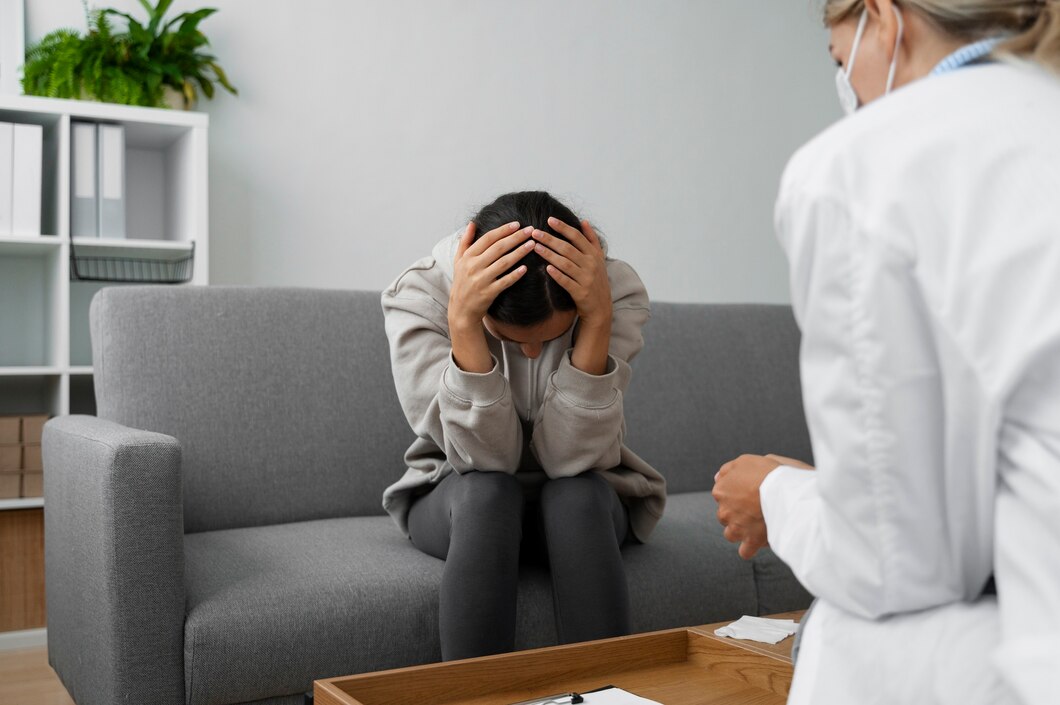
Anxiety is a common emotional experience that affects millions of people worldwide. Recognizing Anxiety symptoms early can make a significant difference in how effectively you manage stress and maintain your emotional wellbeing. Anxiety is more than occasional worry; it can influence your daily life, relationships, and overall health. Understanding its signs and learning evidence-based self-care strategies are essential steps toward healthier mental wellness.
Understanding Anxiety and Its Impact
Anxiety is the body’s natural response to stress, often referred to as the "fight or flight" response. When faced with a perceived threat, the body releases stress hormones like adrenaline and cortisol, which prepare you to react. While occasional anxiety is normal, chronic anxiety can disrupt sleep, concentration, and emotional balance.
Many people struggle to identify anxiety early because its symptoms often mimic physical health issues. Common impacts include:
- Difficulty concentrating at school or work
- Muscle tension and headaches
- Changes in appetite or digestion
- Irritability or mood swings
By understanding the warning signs, you can take steps to prevent anxiety from escalating.
Common Anxiety Symptoms
Anxiety manifests in physical, emotional, and behavioral ways. Recognizing these symptoms is key to managing them effectively.
Physical Symptoms
Anxiety often triggers physical changes in the body. These may include:
- Rapid heartbeat or palpitations
- Shortness of breath or hyperventilation
- Sweating or trembling
- Muscle tension, especially in the neck and shoulders
- Stomach upset, nausea, or diarrhea
- Frequent headaches or dizziness
For example, a student preparing for exams may experience racing thoughts and sweaty palms even without any immediate danger. Understanding that these reactions are part of anxiety can reduce fear and confusion.
Emotional Symptoms
Anxiety also affects your emotions and thought patterns:
- Persistent worry or fear about everyday situations
- Feeling overwhelmed or unable to cope
- Irritability or mood swings
- Restlessness or difficulty relaxing
- Negative self-talk or excessive self-criticism
For instance, someone may constantly worry about social interactions, imagining worst-case scenarios, which can limit their social life and confidence.
Behavioral Symptoms
Changes in behavior can signal anxiety as well:
- Avoiding situations that cause stress
- Procrastination or difficulty completing tasks
- Restless movements such as pacing or fidgeting
- Changes in sleep patterns, such as insomnia or oversleeping
- Overeating or loss of appetite as a coping mechanism
Recognizing these behavioral patterns early allows you to implement practical self-care tools before anxiety worsens.
Evidence-Based Self-Care Tools for Anxiety
Self-care strategies are essential in managing anxiety and improving emotional health. The following evidence-based tools can help reduce symptoms and increase resilience.
Mindfulness and Meditation
Mindfulness involves paying attention to the present moment without judgment. Research shows that regular mindfulness practice reduces stress and improves emotional regulation.
- How to practice: Sit quietly, focus on your breath, and observe your thoughts without trying to change them.
- Example: Before starting homework, take five minutes to practice mindful breathing. Notice tension in your shoulders and consciously release it.
Physical Activity
Exercise naturally reduces stress hormones and increases endorphins, which improve mood.
- Recommended activities: Walking, yoga, swimming, or dancing for at least 30 minutes most days.
- Example: A teenager dealing with social anxiety might go for a morning jog to release tension before school.
Cognitive Behavioral Techniques
Cognitive Behavioral Therapy (CBT) is highly effective in treating anxiety. It helps you identify negative thought patterns and replace them with healthier alternatives.
- Techniques: Journaling worries, challenging irrational thoughts, and setting realistic goals.
- Example: If you worry excessively about failing a test, write down evidence supporting or disproving your fear, then focus on actionable study steps.
Breathing Exercises
Controlled breathing calms the nervous system and reduces the physical symptoms of anxiety.
- Technique: Try the 4-7-8 method—inhale for 4 seconds, hold for 7 seconds, exhale for 8 seconds. Repeat for several minutes.
- Example: Before giving a school presentation, practice deep breathing to lower heart rate and feel more in control.
Sleep Hygiene
Poor sleep can exacerbate anxiety, and anxiety can disturb sleep—a cycle that needs careful attention.
- Tips: Maintain a consistent sleep schedule, avoid screens before bed, and create a relaxing bedtime routine.
- Example: Journaling your thoughts for ten minutes before bed can help prevent nighttime rumination.
Social Support
Connecting with friends, family, or support groups provides emotional relief and practical advice.
- Approach: Share feelings openly, ask for help when needed, and participate in group activities.
- Example: Talking to a trusted friend about fears before a big test can reduce anxiety and provide reassurance.
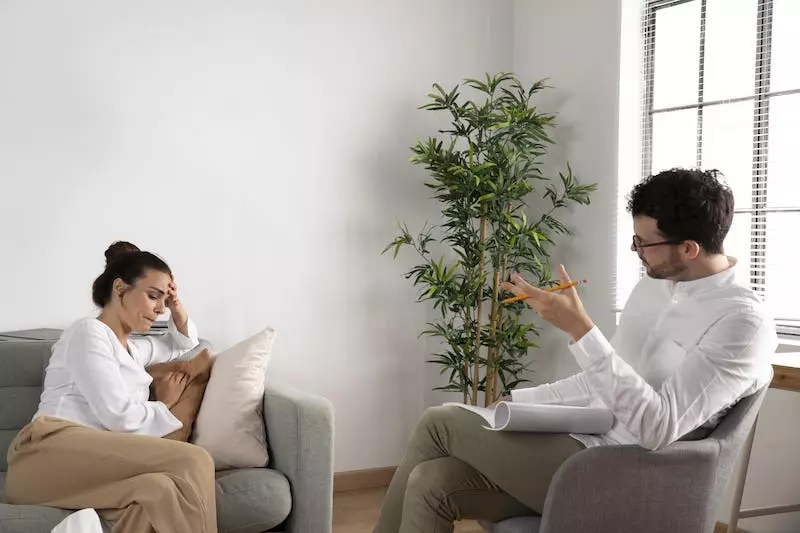
Professional Support
For persistent or severe anxiety, seeking professional help is vital. Psychologists, counselors, or therapists can provide structured interventions tailored to your needs.
- Treatment options: Cognitive Behavioral Therapy (CBT), exposure therapy, or in some cases, medication prescribed by a healthcare provider.
- Example: A student with chronic anxiety affecting school performance might benefit from CBT sessions to learn coping skills.
Lifestyle Changes to Support Anxiety Management
Small adjustments in daily habits can significantly improve mental health and reduce anxiety symptoms.
- Nutrition: Eat a balanced diet rich in whole grains, fruits, vegetables, and lean protein. Avoid excessive caffeine and sugar.
- Routine: Maintain a structured daily schedule to reduce uncertainty and stress.
- Hobbies: Engage in enjoyable activities to foster relaxation and positive emotions.
- Digital Detox: Limit screen time and social media use to prevent information overload and comparison stress.
Real-Life Case Study
Consider Sarah, a 16-year-old student experiencing frequent anxiety symptoms before exams. She noticed physical signs like a racing heart, emotional tension, and procrastination. By practicing mindfulness daily, maintaining a consistent sleep schedule, exercising regularly, and journaling her thoughts, Sarah gradually reduced her anxiety and improved her academic performance. This case highlights how combining self-care tools can have a tangible impact on emotional health.
Recognizing When to Seek Help
While self-care is effective, some anxiety symptoms require professional attention:
- Anxiety that interferes with daily life, school, or work
- Panic attacks or intense fear episodes
- Persistent worry lasting more than six months
- Difficulty sleeping or severe physical symptoms
Early intervention can prevent complications and support long-term emotional resilience.
Conclusion
Understanding anxiety symptoms and applying evidence-based self-care tools is essential for emotional health and personal growth. By recognizing physical, emotional, and behavioral signs, individuals can take proactive steps to manage stress. Incorporating mindfulness, physical activity, cognitive strategies, breathing exercises, and proper sleep routines creates a strong foundation for mental wellness. Social support and professional guidance further enhance resilience. Through consistent practice and self-awareness, anxiety can become manageable, and individuals can lead more balanced, fulfilling lives. Our homepage is packed with the latest tools and information—don’t miss it.
FAQs
What are the most common anxiety symptoms?
Common anxiety symptoms include rapid heartbeat, muscle tension, restlessness, persistent worry, irritability, sleep disturbances, and digestive issues. Recognizing these early can help manage anxiety effectively.
How can self-care tools reduce anxiety symptoms?
Self-care tools like mindfulness, exercise, proper sleep, breathing exercises, and journaling help regulate stress hormones, calm the nervous system, and improve emotional resilience, reducing anxiety symptoms over time.
When should I seek professional help for anxiety?
Seek professional help if anxiety significantly interferes with daily life, school, work, or relationships, if panic attacks occur, or if persistent worry lasts for months. Therapists can provide structured treatments like CBT to manage symptoms effectively.