
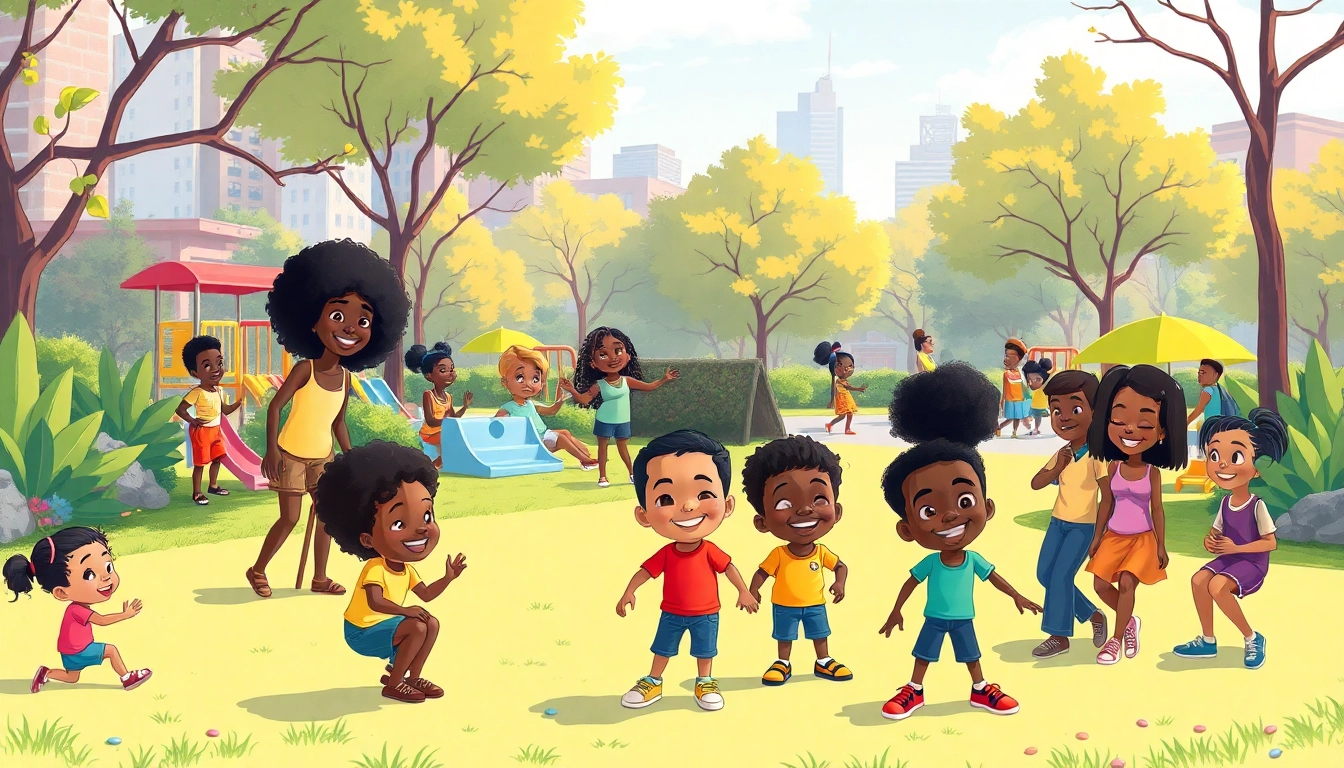
Understanding the Cultural Significance of African American Cartoons
African American cartoons have made significant strides in both representation and storytelling, reflecting a rich tapestry of culture and experiences. From their origins in the early 20th century to the modern-day shows that dominate streaming platforms, these animated series and films have contributed greatly to the narrative of African American identity in popular culture. When exploring options, African American Cartoons offer diverse perspectives that resonate with audiences of all ages and backgrounds.
Historical Context and Evolution
The evolution of African American cartoons can be traced back to the early animations that often perpetuated stereotypes. However, as the animation industry addressed these issues, a new wave of creators emerged, aiming to tell authentic stories that reflect the true Black experience. Notable productions like "Fat Albert and the Cosby Kids" laid the groundwork for future series, introducing audiences to relatable characters and narratives that celebrated Black culture.
Key Themes and Messages
African American cartoons often explore pivotal themes such as identity, family, and community. Shows like "The Boondocks" tackle social issues with humor and critical commentary, allowing viewers to engage in deeper conversations about race and society. Other programs, such as "Doc McStuffins," emphasize themes of empowerment and hope, presenting young viewers with role models that promote self-love and resilience.
Impact on Popular Culture
The impact of African American cartoons extends beyond the screen. Characters and sayings from these animations have entered popular culture, influencing music, fashion, and even social media trends. Iconic characters like Huey and Riley Freeman have become symbols of resistance and change, reflecting the growing demand for authenticity and representation in media.
Iconic African American Characters in Animation
Heroes and Role Models for Today’s Youth
The representation of strong, positive African American characters is vital for today’s youth. Shows such as "The Proud Family" and "Static Shock" feature protagonists who navigate their environments with courage and conviction. These characters serve as role models, teaching kids important life lessons while also reflecting their own real-world experiences.
Female Representation in Animated Series
Female characters in African American cartoons have also evolved, showcasing diverse personalities and stories. Characters like Penny Proud from "The Proud Family" and Doc McStuffins are empowering figures that promote both intelligence and compassion. They break stereotypes by showcasing women in leadership roles, encouraging young girls to pursue their dreams unabashedly.
Comedic Legends and Their Influence
Comedic legends like Aaron McGruder have made substantial contributions to the genre, using satire to provoke thought about societal norms. "The Boondocks," for example, cleverly critiques contemporary cultural issues while entertaining audiences. This blend of humor and serious themes has set a precedent for future animations aimed at both adults and children alike.
Exploring Current Trends in African American Animation
Innovative Storytelling Techniques
The recent trend in African American animation is the shift toward innovative storytelling techniques. By incorporating technology and unique art styles, creators are expanding the boundaries of traditional animation. Series like "Craig of the Creek" utilize rich visuals and dynamic storytelling to engage younger audiences, showing that African American narratives can be both thrilling and relatable.
Emerging Voices in Animation
There has been a surge in emerging voices in the animation industry, providing fresh perspectives and ideas. New creators are bringing their unique backgrounds to the fore, resulting in a diverse range of stories that reflect modern society. This infusion of creativity is paving the way for more inclusive programming that speaks to the experiences of many.
New Platforms for African American Cartoons
The rise of streaming platforms has opened up opportunities for African American cartoons to flourish. Services like Netflix and Hulu are investing in original content featuring Black stories, which allows for greater visibility and access. This shift is crucial in ensuring that future generations can see themselves represented in animated media.
Engaging Youth Through African American Cartoons
Educational Value of Animated Series
African American cartoons serve not just to entertain, but also to educate young audiences. Many series incorporate valuable lessons about empathy, history, and culture, promoting a deeper understanding of societal issues. For instance, "Sesame Street" has integrated themes of diversity and inclusion, assisting children in learning about different backgrounds and experiences.
Promoting Diversity and Inclusion
Diversity in children's programming is essential for fostering an inclusive environment. African American cartoons contribute significantly to this by normalizing the presence of varied cultures and traditions, allowing children from different backgrounds to learn from each other. As a result, these shows help dismantle stereotypes and promote acceptance and understanding among peers.
Interactive Learning Experiences
As technology continues to evolve, so do the ways in which children interact with their favorite shows. Many African American cartoons are now available through interactive apps and games that encourage learning in an engaging format. This approach fosters a love for education while maintaining the entertaining essence of the stories kids adore.
Future Directions for African American Cartoons
Trends to Watch in 2026 and Beyond
Looking ahead to 2026 and beyond, we can expect to see a continued surge in African American cartoons that push boundaries and challenge norms. With a focus on inclusive storytelling, the genre is likely to explore more complex narratives addressing societal issues while still entertaining children and adults alike.
Collaborative Projects and Community Involvement
Collaborative projects between established creators and new voices are increasingly common, leading to richer content and varied perspectives. Community involvement in animation development is crucial for ensuring that stories resonate authentically with audiences, maintaining relevance in an ever-changing cultural landscape.
The Role of Technology in Animation
In an age where technology plays a pivotal role in media consumption, the animation industry is no exception. New tools and platforms are allowing creators to produce higher quality content more efficiently, elevating the standard for animation. Innovations such as virtual reality and augmented reality are also anticipated to reshape the way audiences engage with animated content in the future.