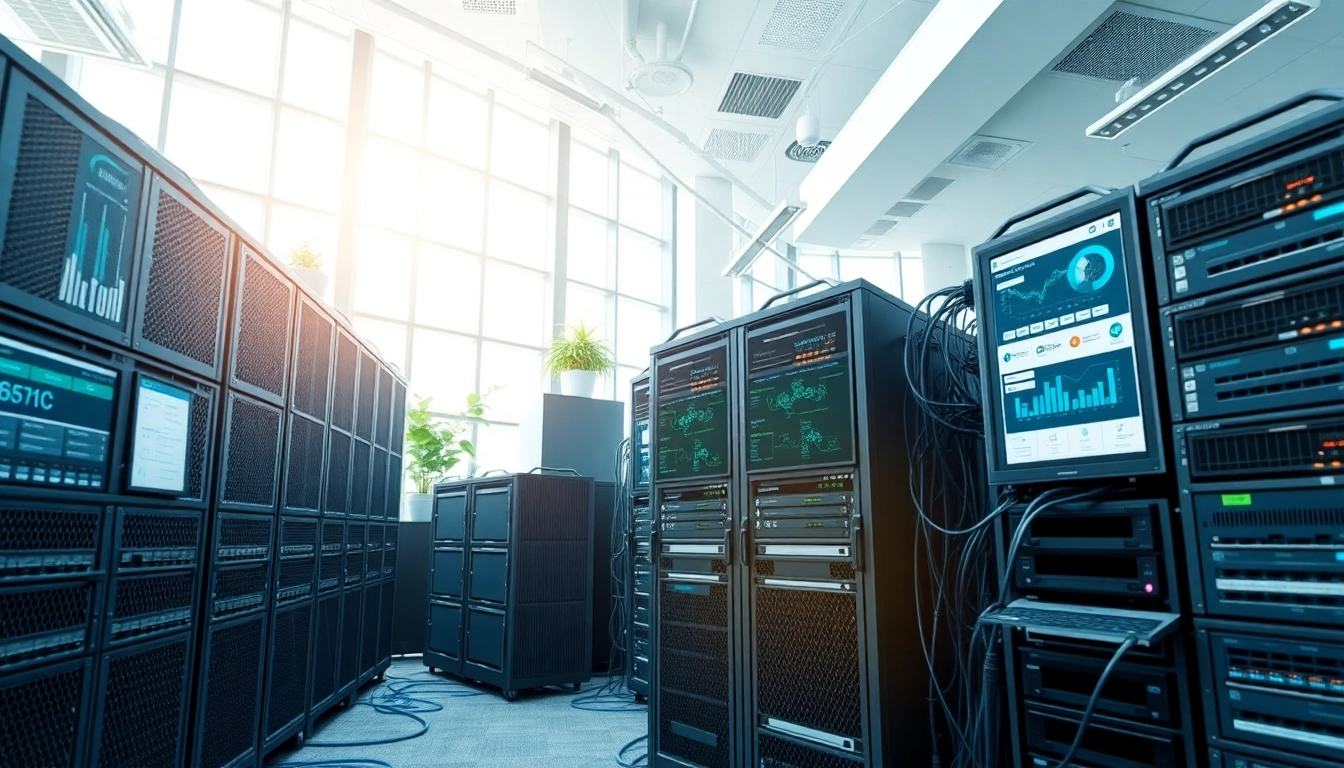
Understanding Network Infrastructure Components
Network infrastructure serves as the backbone of our interconnected world. It encompasses a multitude of physical and virtual components that facilitate communication and data transfer across networks. From enterprise operations to personal use, a solid understanding of these components is essential for building robust, efficient, and secure network infrastructures. This article will delve into the critical elements that shape network infrastructure, best practices for its management, common challenges, performance evaluation, and future trends, all while providing valuable insights for optimizing your own network infrastructure.
The Role of Routers and Switches in Network Infrastructure
Routers and switches are two of the most fundamental components of any network infrastructure.
Routers serve the primary function of directing data packets between different networks, utilizing the most efficient paths based on network conditions. They employ various algorithms and protocols (like OSPF or BGP) to determine the best route for data transmission. Furthermore, routers facilitate internet connectivity by allowing local networks to communicate with external networks.
Switches, on the other hand, operate within the local area network (LAN). They connect devices within the same network, managing data traffic by directing information only to the intended recipient. This reduces congestion and enhances overall network performance. Switches utilize MAC addresses to ensure that data packets reach the right device, thus enabling smooth and efficient communication within the network.
How Cables and Connections Affect Network Performance
The physical aspect of network infrastructure cannot be overlooked, especially when it comes to cabling and connections. The type of cabling used—be it twisted-pair cables, fiber optics, or coaxial cables—significantly impacts network performance.
For instance, fiber optic cables offer high bandwidth and faster data transmission speeds, making them ideal for backbone connections in larger networks. Twisted-pair cables, while commonly used in LAN environments, have limitations in transmission distance and speed that can lead to bottlenecks if not properly managed. Proper connections, including connectors and patch panels, are crucial; poorly made connections can lead to data loss and increased latency.
Importance of Firewalls and Security Measures
As cyber threats continue to evolve, firewalls and other security measures have become indispensable for safeguarding network infrastructure. Firewalls act as a barrier between trusted and untrusted networks, monitoring incoming and outgoing traffic to prevent unauthorized access and attacks.
Modern firewalls incorporate advanced techniques such as deep packet inspection, intrusion detection systems (IDS), and intrusion prevention systems (IPS) to identify and mitigate threats in real-time. Beyond firewalls, having a comprehensive security strategy—including encryption, regular software updates, and user access controls—is vital for protecting sensitive data and maintaining network integrity.
Best Practices for Network Infrastructure Management
Efficient management of network infrastructure is crucial to ensure optimal performance and minimize downtime. Below are key practices that should be implemented.
Regular Maintenance and Monitoring Techniques
Routine maintenance is essential to prevent network failures and performance degradation. This involves regularly updating software and firmware for all network devices, conducting network audits to identify vulnerabilities, and performing hardware checks on routers and switches. Monitoring tools can provide real-time insights into network performance, allowing administrators to quickly identify and resolve potential issues.
Implementing Redundancy for Maximum Uptime
To enhance reliability, implementing redundancy in network infrastructure is critical. Redundant paths and devices ensure that if one component fails, another can take its place without interrupting connection flow. This can be achieved through techniques such as link aggregation, which combines multiple network connections to increase bandwidth and provide failover, or by having backup routers and switches in place.
Utilizing Virtual Networks in Modern Settings
With advancements in technology, virtual networks have emerged as powerful tools for modern enterprises. Virtual Local Area Networks (VLANs) allow administrators to segment network traffic efficiently, improving performance and security. Additionally, Virtual Private Networks (VPNs) provide secure access to remote users, enabling businesses to support flexible working environments without sacrificing data security.
Common Challenges in Network Infrastructure Setup
Establishing a reliable network infrastructure can come with several challenges that require careful consideration and proactive solutions.
Identifying Bottlenecks in Data Traffic
Bottlenecks can severely hamper network performance, leading to slow data transfer rates and increased latency. Identifying these bottlenecks often involves analyzing traffic flow and performance metrics. Utilizing tools like network analyzers can aid in pinpointing where congestion occurs, allowing network administrators to upgrade bandwidth, optimize routing, or implement Quality of Service (QoS) protocols to alleviate pressure.
Addressing Security Threats and Vulnerabilities
The ever-evolving landscape of cyber threats means that security measures must be continuously evaluated and updated. Regular vulnerability assessments and penetration testing can help identify and rectify security weaknesses before they can be exploited. Employing multi-layered security approaches that include access controls, encryption, and security patches are paramount to safeguarding network infrastructure.
Managing Scalability in Network Infrastructure
As businesses grow, their network infrastructure must also scale effectively. This involves not only increasing bandwidth and capacity but also ensuring that the network remains flexible and adaptable to changing needs. Implementing modular devices, cloud solutions, and scalable architectures can greatly assist in this endeavor, allowing organizations to expand their network without significant disruptions.
Evaluating Network Infrastructure Performance
To maintain a healthy network, it is crucial to implement a robust evaluation framework for performance measurement.
Key Metrics to Measure Network Efficiency
Evaluating network infrastructure involves analyzing various key performance metrics. Important metrics include latency, bandwidth utilization, packet loss, and throughput. Understanding these metrics allows administrators to assess the health of the network and make informed decisions regarding upgrades and configurations.
Tools for Analyzing Network Infrastructure
Several tools are available that aid in the analysis of network performance. Network monitoring software like SolarWinds, PRTG, and Wireshark allow for comprehensive visibility into network traffic and provide actionable insights. Utilizing these tools enables organizations to proactively address performance issues and optimize network conditions.
Reporting on Infrastructure Health and Capacity
Transparent reporting is vital for ongoing network management. Regular reports detailing infrastructure health, traffic patterns, and capacity usage help stakeholders understand the network's status and make strategic decisions. By analyzing trends from these reports, organizations can anticipate future needs and allocate resources effectively.
Future Trends in Network Infrastructure
The landscape of network infrastructure is continuously evolving, driven by technological advancements and emerging trends. Understanding these trends is crucial for future-proofing your network.
Impact of Cloud Computing on Networking
Cloud computing has fundamentally reshaped network architecture. Businesses are moving away from traditional in-house setups to hybrid or full-cloud environments, which require different networking strategies. These environments demand strong connectivity between on-premises infrastructure and the cloud, increasing the need for virtual networking solutions, direct cloud access services, and improved data management practices.
Emerging Technologies in Network Management
Technologies such as Software-Defined Networking (SDN) and Network Function Virtualization (NFV) are revolutionizing how networks are managed. SDN allows for more dynamic and programmable network infrastructure, enabling automation and streamlined management. Meanwhile, NFV decouples network functions from hardware, providing greater flexibility and reducing operational costs.
Sustainability Considerations for Infrastructure Development
With growing concerns about environmental impact, sustainability is becoming a core consideration in network infrastructure development. Organizations are looking into energy-efficient technologies, environmentally friendly materials, and methods to reduce the carbon footprint of their network systems. Implementing green policies and practices not only benefits the environment but can also lead to long-term cost savings.