Understanding Structural Steel Welding
Basics of Structural Steel Welding
Structural steel welding is an essential aspect of modern engineering and construction, as it provides the necessary strength and durability to steel structures. Welding involves joining two or more pieces of steel using heat, pressure, or both to create a continuous and robust bond. This is especially crucial in the construction of bridges, buildings, and other infrastructures where structural integrity is paramount. The various applications of structural steel welding can be seen across numerous industries, and its significance continues to grow as technology advances.
To gain a comprehensive understanding of structural steel welding, it is important to recognize the properties of steel, the types of welds commonly used, and the benefits derived from employing this technique. Structural welding ensures that the components being joined can handle tremendous loads and stresses, thereby enhancing the safety and longevity of the structures.
Different Types of Welding Techniques
There are multiple welding techniques employed in structural steel welding, each suited to specific tasks and circumstances. Some of the primary methods include:
- MIG Welding (Gas Metal Arc Welding): This technique uses a continuous wire feed to create an electric arc between the workpiece and the welding electrode. MIG welding is known for its speed and versatility.
- TIG Welding (Gas Tungsten Arc Welding): TIG welding is characterized by the use of a non-consumable tungsten electrode. It produces high-quality welds but is generally slower than MIG.
- Stick Welding (Shielded Metal Arc Welding): This traditional method uses a consumable electrode coated in flux to protect the weld from atmospheric contamination. Stick welding is suitable for outdoor applications due to its adaptability to various conditions.
- Submerged Arc Welding: This technique involves forming an arc between a continuously fed electrode and the workpiece while a granular flux covers the weld area. It is often used for heavy plates and large structures.
Importance of Welding in Construction
Welding is the backbone of modern construction, especially in creating robust frameworks and support systems. It offers numerous advantages, including:
- Strength and Durability: Proper welding techniques create strong joints that can withstand various stressors, ensuring the longevity of structures.
- Design Flexibility: Welded constructions enable innovative designs that enhance aesthetic appeal without sacrificing strength.
- Cost Efficiency: Automation and technological advancements in welding can lead to reduced labor costs and increased production speed.
Essential Tools for Structural Steel Welding
Welding Equipment Overview
Having the right equipment is crucial for effective structural steel welding. Essential tools include:
- Welding Machine: The core equipment required to generate the heat and electrical arc required for welding.
- Electrodes: These conduct the current necessary for welding. Their type and sizing depend on the specific technique used.
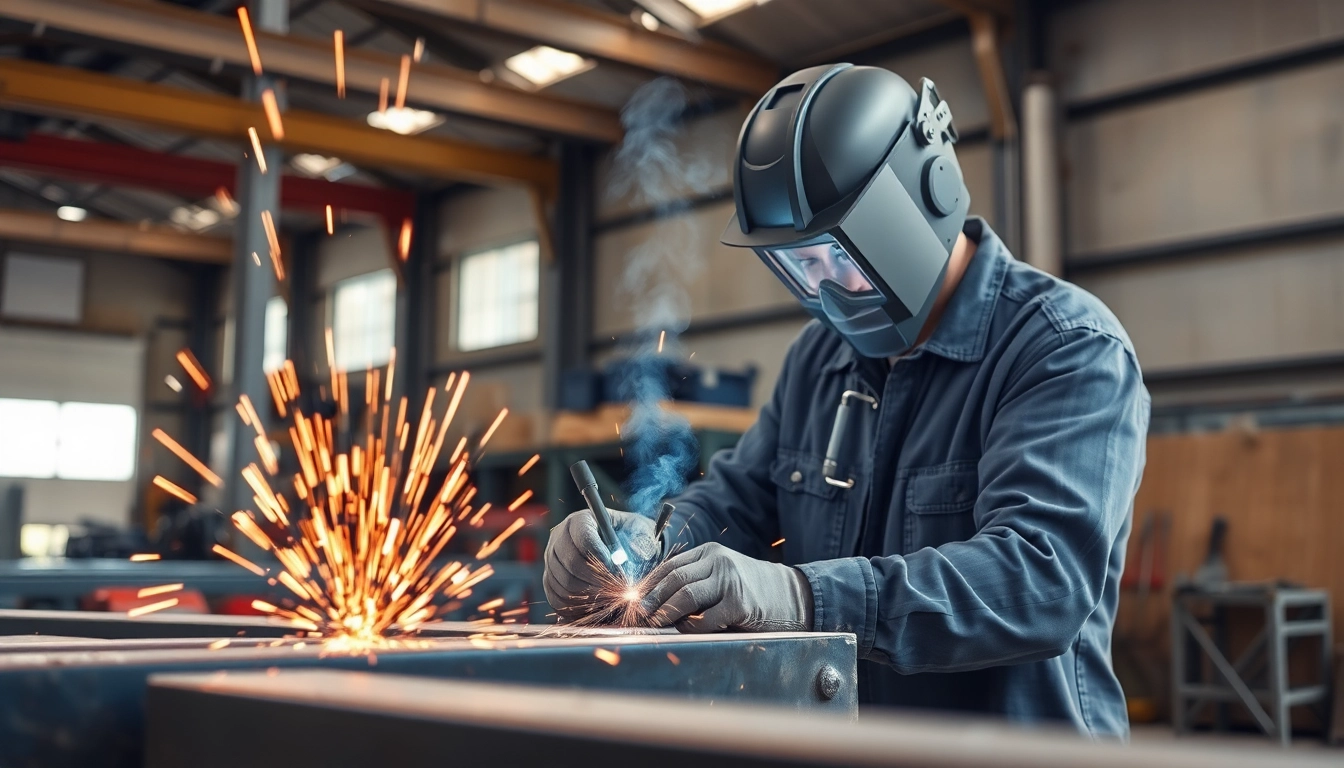
- Protective Gear: Safety equipment such as helmets, gloves, and jackets is essential to prevent injuries from sparks, fumes, and intense light.
- Fume Extraction Systems: These systems help eliminate hazardous fumes produced during welding to maintain a safe work environment.
Choosing the Right Safety Gear
Selecting appropriate safety gear is critical when engaging in structural steel welding. Essential personal protective equipment (PPE) should include:
- Welding Helmets: Should feature adequate shading to protect the eyes from UV light and flying debris.
- Welding Jackets: Flame-resistant jackets that provide protection from sparks and heat.
- Gloves: Thick gloves that allow for dexterity while offering protection against burns.
- Respirators: Depending on the environment and materials being welded, respiratory protection may be necessary to guard against harmful fumes.
Maintenance of Welding Tools
Regular maintenance of welding tools is crucial to ensure optimal performance and longevity. Key maintenance practices include:
- Cleaning Equipment: Frequently remove slag and residue from welding machines and tools to prevent malfunctions.
- Inspecting Cables: Regularly check cables and connections for wear or damage that could lead to safety hazards.
- Updating Consumables: Timely replacement of worn-out electrodes and other consumables can enhance welding quality.
Techniques for Successful Structural Steel Welding
Preparation for Welding Projects
Preparation is key to successful welding outcomes. This process typically involves:
- Assessing Materials: Evaluate the type and quality of the steel to ensure compatibility with the chosen welding method.
- Joint Design: Plan the joint design according to the specifications of the project. Consider factors like load requirements and accessibility.
- Cleaning Surfaces: Ensure that the surfaces to be welded are free of rust, oil, and other contaminants that could impair the weld integrity.
Executing Welding Techniques
The execution phase demands precision and skill. Key considerations include:
- Controlling Heat Input: Properly managing heat prevents distortion and ensures the integrity of the weld.
- Maintaining Speed: Consistent travel speed is essential to achieve even weld bead appearance and penetration.
- Using Correct Techniques: Employ techniques suited for the type of welding and thickness of materials used, such as stringer beads or weaving patterns.
Post-Welding Inspection and Testing
After completing the welding, thorough inspection and testing are crucial to confirm the integrity of the work. Methods for post-welding checks include:
- Visual Inspection: Examine welds for defects such as undercutting, porosity, and cracks.
- Non-Destructive Testing (NDT): Techniques like ultrasonic and radiographic testing can identify hidden flaws without compromising the component.
- Tensile Testing: Pull tests can measure the strength and quality of weld joints, ensuring they meet specified requirements.
Common Challenges in Structural Steel Welding
Identifying Common Welding Defects
Weld defects can compromise structural integrity. Key issues to look for include:
- Cracking: Can occur due to rapid cooling or poor joint details.
- Porosity: The presence of gas bubbles in welds, often resulting from contamination.
- Incomplete Fusion: Occurs when weld metal does not fuse adequately with the base material, creating weak joints.
Solutions for Tackling Welding Issues
Addressing welding challenges effectively involves implementing best practices such as:
- Pre-Weld Inspections: Conducting inspections can help identify potential issues before welding starts.
- Training Welders: Regular training on techniques and updated practices increases awareness of common defects and how to avoid them.
- Adopting Quality Control Measures: Implementing stringent protocols for quality checks at various stages of welding can catch defects early.
Wrap-up of Best Practices
To ensure successful structural steel welding, engineers and welders should adhere to several best practices, such as:
- Follow material specifications and design requirements closely.
- Utilize appropriate welding techniques for each specific project.
- Maintain rigorous safety standards to protect workers and the quality of the weld.
Future Trends in Structural Steel Welding
Advancements in Welding Technologies
The field of structural steel welding is continually evolving, with significant advancements that enhance productivity and quality. Key trends include:
- Laser Welding: This method offers precision and speed, making it ideal for intricate welds.
- Robotic Welding: Automation helps reduce labor costs and improves consistency in high-volume applications.
- Hybrid Welding Techniques: Combining methods like MIG and TIG allows for tailored solutions for specific tasks, optimizing results.
Impact of Automation on Welding
Automation is set to revolutionize structural steel welding by enhancing efficiency and reducing the risk of human error. Key impacts include:
- Increased production rates due to faster welding cycles.
- Enhanced accuracy and weld quality, resulting from robotics' consistent operation.
- Safer working environments, as automated systems can handle hazardous tasks.
Sustainability in Steel Welding Practices
As industries move towards sustainable practices, structural steel welding is adapting through innovative techniques that minimize waste and energy use. Efforts include:
- Using energy-efficient welding processes that lower operational costs.
- Implementing recycling practices for scrap steel produced during projects.
- Developing environmentally friendly welding materials.
Frequently Asked Questions
1. What is structural steel welding?
Structural steel welding is the process of joining steel components using heat and pressure to create a strong, durable bond essential for construction.
2. What are the common types of welding techniques used in construction?
Common techniques include MIG, TIG, Stick, and Submerged Arc Welding, each suited for various applications and types of steel.
3. Why is maintenance crucial for welding tools?
Regular maintenance ensures the safety, reliability, and performance of welding tools, preventing costly downtimes and defects during welding projects.
4. How can I prevent welding defects?
Implementing stringent pre-weld inspections, maintaining equipment, and providing professional training can significantly reduce welding defects.
5. What are the emerging trends in structural steel welding?
Emerging trends include automation, laser welding, hybrid techniques, and a strong focus on sustainability in welding practices.