
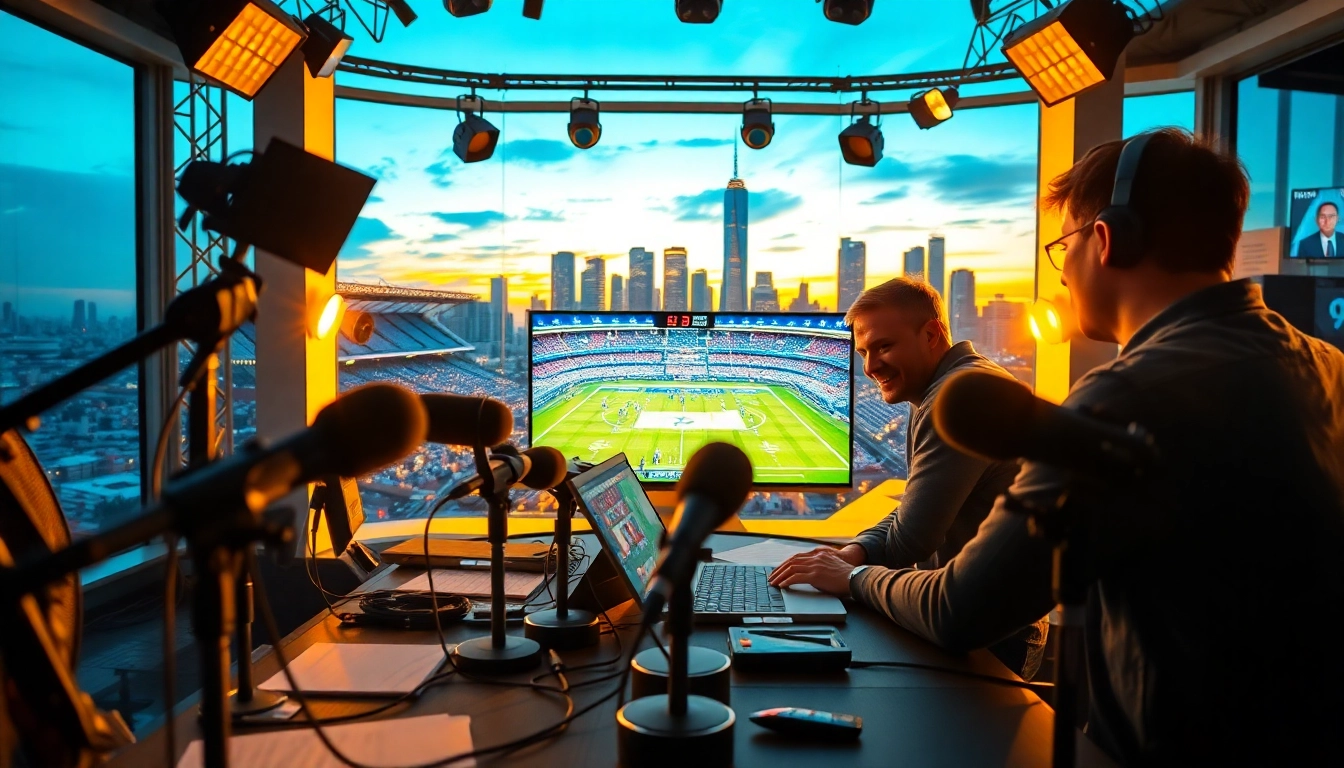
The Fundamentals of Sports Broadcasting
In an era where information flows rapidly and attention spans are fleeting, Sports Broadcasting emerges as a critical pillar of the sports industry. This field encompasses everything from live event coverage to pre-game shows, and its influence stretches beyond just entertainment; it shapes fan engagement, drives revenue, and builds community around sports narratives. Understanding the fundamentals of sports broadcasting is essential for anyone looking to break into the field or optimize their current practice.
Understanding the Role of Sports Broadcasting
Sports broadcasting serves a vital function in connecting fans to the worlds of their favorite sports. Broadcasters bring live events into homes worldwide, providing commentary and analysis that enrich the viewing experience. At its core, sports broadcasting not only informs but also entertains, turning mere spectators into passionate fans. Additionally, broadcasters act as the storytellers of sports; they provide context, highlight pivotal moments, and offer insights that can enhance the audience's connection to both the game and the athletes.
Key Skills for Aspiring Broadcasters
A successful career in sports broadcasting demands a diverse skill set. Key competencies include:
- Communication Skills: Excellent verbal and written communication is crucial for articulating insights and engaging with the audience.
- Research Abilities: Broadcasters should possess the skills to conduct thorough research, understanding the history, statistics, and current events that shape sports narratives.
- Technical Proficiency: Familiarity with broadcasting equipment, audio-visual technology, and editing software is necessary for delivering high-quality broadcasts.
- Emotional intelligence: An ability to connect with the audience and convey emotions adds depth to the broadcast.
Industry Standards and Ethics
Adhering to ethical standards is paramount in sports broadcasting, as it maintains credibility and trust with the audience. Key ethical guidelines include:
- Accuracy: Ensuring the delivery of accurate information to avoid misleading the audience.
- Transparency: Clearly disclosing conflicts of interest, especially when discussing sponsorships or endorsements.
- Integrity: Upholding a professional and unbiased demeanor during commentary and analysis.
Preparing for Coverage
Effective sports broadcasting begins long before the cameras start rolling. Preparation is key to ensuring a smooth and engaging broadcast, enabling broadcasters to anticipate challenges and enhance viewer experience.
Researching Sports Events and Teams
Thorough research is fundamental to delivering insightful broadcasts. This involves studying not only the teams and players but also statistical trends, historical contexts, and past performances. Staying updated on injuries, roster changes, and team dynamics is also critical. Utilizing reliable sources and databases can help broadcasters create comprehensive coverage that enriches the viewing experience.
Crafting Engaging Narratives
Storytelling is at the heart of sports broadcasting. Broadcasters need to weave memorable narratives that resonate with audiences. This includes highlighting player backgrounds, dramatic rivalries, and pivotal game scenarios. Crafting a compelling narrative requires creativity and an ability to connect emotional beats to the sports being covered, effectively transforming numbers and stats into relatable stories.
Equipment Essentials for Broadcasters
The right equipment is crucial for effective broadcasting. Essential tools include:
- Cameras: High-definition cameras capture live action with clarity and detail.
- Audio Equipment: Quality microphones and headsets ensure that commentary is clear and audible.
- Editing Software: Programs designed for video and audio editing help refine broadcasts post-production.
Delivering Live Broadcasts
Delivering a seamless live broadcast is an exhilarating yet demanding task. Broadcasters need to master their craft and adapt quickly to changing dynamics in a live setting.
Techniques for Effective Communication
Effective communication is about clarity and engagement. Broadcasters should use a conversational tone to connect with their viewers while maintaining professionalism. Techniques such as varied pacing, tone modulation, and strategic pauses can help retain viewer attention and emphasize critical moments.
Navigating Unexpected Challenges
Live broadcasts often present unforeseen challenges, from equipment malfunctions to unexpected events. A seasoned broadcaster must think on their feet, quickly adjusting to keep viewers engaged. Strategies include having backup plans, remaining calm under pressure, and effectively using humor to diffuse tense situations.
Using Graphics and Visuals
Visual aids significantly enhance the viewer experience. Well-placed graphics can illustrate statistics, highlight player achievements, and provide context to the game. Broadcasters should work closely with technical teams to ensure that all visual elements are informative and visually appealing without becoming distracting.
Enhancing Viewer Engagement
Building a loyal audience requires a proactive approach to viewer engagement. Broadcasters must employ various strategies to maintain viewer interest and foster an interactive environment.
Utilizing Social Media for Real-Time Interaction
Social media platforms offer a powerful way to engage with viewers in real-time. Broadcasters can facilitate conversations, share behind-the-scenes content, and encourage fan interactions through polls and Q&A sessions, creating a comprehensive fan experience that extends beyond traditional broadcasts.
Feedback and Audience Interaction Strategies
Listening to audience feedback is vital for improvement. Broadcasters should actively solicit viewer opinions on social platforms or find ways to incorporate feedback into future broadcasts. Offering shout-outs or responding to viewer queries reinforces the sense of community and viewer investment in the broadcast.
Content Personalization Techniques
Personalization in broadcasting can greatly increase viewer loyalty. Tailoring content to specific audience segments, such as discussing favorite players or teams, allows broadcasters to create a more immersive experience. This could involve using viewer data to predict preferences or even involving audience input in the content curation process.
Analyzing Performance Metrics
To maintain a competitive edge, broadcasters must continually assess their performance. Understanding analytics is key to gauging audience engagement and improving broadcasts over time.
Understanding Audience Analytics
Audience analytics involve examining viewership statistics, engagement rates, and demographic information. By understanding who is watching and what content resonates, broadcasters can tailor their future programs to better meet audience preferences, ultimately enhancing viewership and satisfaction.
Evaluating Broadcast Quality
Quality evaluation is essential for continuous improvement. This can include reviewing recordings for delivery fluidity, tone, and interaction quality. Peer reviews and audience surveys can also provide valuable insights into areas for improvement.
Strategies for Continuous Improvement
Adopting a mindset of continuous improvement will help broadcasters evolve with the industry. Regular training, workshops, and staying updated on technology trends are crucial strategies. Engaging with peers and seeking mentorship from experienced professionals can also facilitate growth and innovation in broadcasting practices.
FAQs
What qualifications do I need for a career in sports broadcasting?
While formal education in journalism or communications can be beneficial, practical experience, strong communication skills, and networking are equally important in building a successful career.
How can I improve my on-air presence?
Improving on-air presence involves practicing vocal techniques, engaging storytelling, and receiving constructive feedback. Watching and analyzing broadcasts can also help refine your style.
Is social media important for sports broadcasters?
Yes, social media is crucial for engagement and audience interaction. It allows broadcasters to connect in real-time and build a loyal viewer base while expanding community involvement.
What role does research play in sports broadcasting?
Research is fundamental for delivering informed commentary, discussing statistics, and providing historical context to enhance the viewer's understanding and enjoyment of the broadcast.
How do broadcasters handle unexpected incidents during live broadcasts?
Broadcasters must stay calm, adapt quickly, and utilize backup plans. Effective communication and improvisation skills help manage surprises while keeping the audience engaged.