Understanding the Image to Prompt Concept
In the rapidly evolving world of artificial intelligence, tools that facilitate creative processes are becoming increasingly sophisticated. Among these innovations is the concept of an image to prompt generator, a powerful AI tool designed to transform visual images into descriptive text prompts. This technology not only aids artists and content creators but also enhances the efficiency of AI image generators by providing them with well-structured, tailored descriptions.
What is an Image to Prompt Generator?
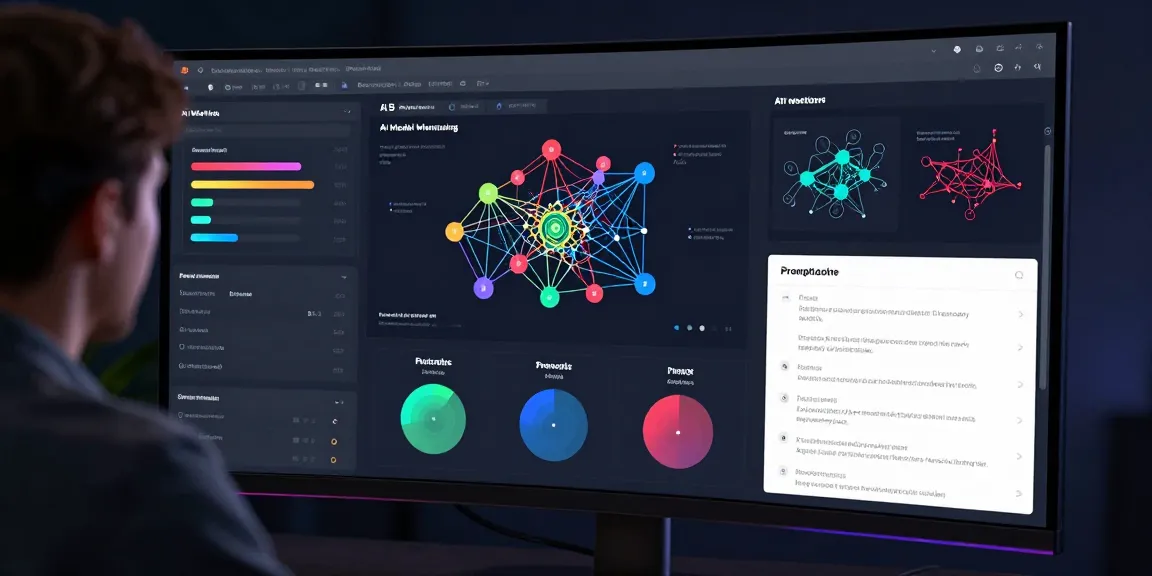
An Image to Prompt generator is an AI-driven tool that analyzes visual elements from images, such as the subjects present, their environment, stylistic choices, lighting, and overall mood. By converting these visual features into a structured text format, it allows users to create effective prompts that can be employed with various AI image generation models. These detailed prompts can be utilized with notable AI platforms like Midjourney, DALL·E, Stable Diffusion, Flux, and Gemini, making it an invaluable asset for anyone involved in digital art or storytelling.
How Image to Prompt Tools Work
The backbone of an Image to Prompt tool lies in its use of computer vision and natural language processing algorithms. These technologies work together to discern key details within an image, which are then translated into natural language descriptions. Essentially, the tool "interprets" the content of the image, identifying essential elements that define its characteristics, thus enabling artists to recreate the essence of the image through textual prompts.
Benefits of Using Image to Prompt Generators
- Enhanced Creativity: By providing descriptive prompts, these tools stimulate creative ideas and help users overcome creative blocks.
- Time Efficiency: Instead of manually crafting prompts, users can quickly generate them, significantly speeding up the creative process.
- Consistency: Users can maintain a uniform style across various artworks by utilizing similar prompt structures.
- Accessibility: These tools are user-friendly, making them suitable for both experienced artists and beginners.
- Adaptability: The generators can produce tailored prompts for different AI models, enhancing compatibility and output quality.
Using the Image to Prompt Generator Effectively
Step-by-Step Guide to Generate AI Prompts
Generating prompts using an Image to Prompt generator is a straightforward process that enhances both creativity and productivity. Here’s how to do it:
- Upload an Image: Users can upload images by clicking the designated button or simply dragging and dropping supported formats such as PNG, JPG, or WEBP, up to a size limit of 4MB.
- Generate Prompt: After selecting the desired image, click on the "Generate Prompt" button. The system will analyze the image and produce a detailed prompt within a few seconds.
- Copy or Refine: Once the prompt is generated, users can copy it directly or refine it further to better fit their creative needs.
Best Practices for Choosing Images to Convert
To make the most of an Image to Prompt generator, users should consider selecting images that are rich in detail and have a clear focal point. Here are some tips:
- High-Quality Images: Use images with high resolution and clarity to ensure detailed analysis.
- Unique Subjects: Choose images that feature interesting subjects, as this leads to more vibrant and imaginative prompts.
- Variety: Explore different styles and environments, which can yield a diverse range of prompts that cater to various creative projects.
Refining Generated Prompts for Enhanced Results
After generating a prompt, refining it can significantly improve its effectiveness. Consider these strategies:
- Specificity: Tailor the prompt to your project needs by adding specific details or altering adjectives to better fit the desired style.
- Structure: Use structured formats for prompts to ensure clarity and coherence, particularly when using with advanced AI models.
- Variations: Experiment with multiple generated prompts to find the one that resonates best with your vision.
Applications of Image to Prompt in Various Industries
Creative Arts and Entertainment
In the realm of creative arts, an Image to Prompt generator is invaluable. Artists, graphic designers, and filmmakers can leverage this technology to efficiently generate ideas for their projects. For instance, a filmmaker might upload a still from a movie scene and use the generated prompt to visualize alternative settings, moods, or character interactions, thus broadening their narrative scope.
Business and Marketing Strategies
Businesses can utilize image to prompt generators to enhance marketing materials and advertising campaigns. For example, by converting product images into prompts, marketers can quickly develop appealing ad copy that captures the essence of the product and appeals to target audiences, improving engagement and conversion rates.
Education and E-Learning Enhancements
In educational contexts, such generators can assist in creating prompts for visual storytelling or project-based learning. Educators can upload images related to historical events or scientific phenomena, generating prompts that encourage students to engage creatively and critically with the material.
Comparing Image to Prompt Generators
Top Competitors in the Market
As the demand for image to prompt technologies increases, several competitors have emerged in the market. Some of the notable players include OpenAI’s DALL·E, Midjourney, and the emerging platforms such as Gemini and Flux. Each of these tools offers unique features and functionalities, catering to different user needs.
Key Features and Differences
The primary differentiators among these tools can include:
- Image Quality: Variations in the accuracy and detail of prompts generated from the same image.
- User Interface: Differences in usability, accessibility, and overall user experience.
- Compatibility: Versatility across various AI models and systems.
- Pricing: While some tools are free, others may require subscriptions or one-time fees.
User Reviews and Experiences
User feedback plays a crucial role in evaluating the effectiveness of these tools. Many users report significant satisfaction with the seamless integration of generated prompts into their creative processes. Reviews often highlight the tool's ability to inspire fresh ideas and enhance productivity, particularly praising platforms that allow ample refinement of generated prompts.
Future Trends in AI Image Generation and Prompting
Predicted Developments for 2026 and Beyond
As we look forward to 2026 and beyond, several trends are expected to shape the evolution of image generation and prompting technologies. These advancements may include increased accuracy in prompt generation, the introduction of real-time editing features, and enhanced integration with virtual and augmented reality platforms, allowing for even richer creative experiences.
How AI Will Transform Visual Art
The transformation of visual art through AI will likely emphasize collaboration between human creativity and machine assistance. Artists will increasingly harness AI to augment their creative processes, allowing for new art forms that blend traditional techniques with innovative AI-generated elements.
Industry Insights from Experts
Experts in the field emphasize the importance of adapting to rapidly changing technologies. Continuous education and experimentation with tools such as image to prompt generators will enable creators to stay ahead of the curve and explore uncharted territories in their artistic endeavors.