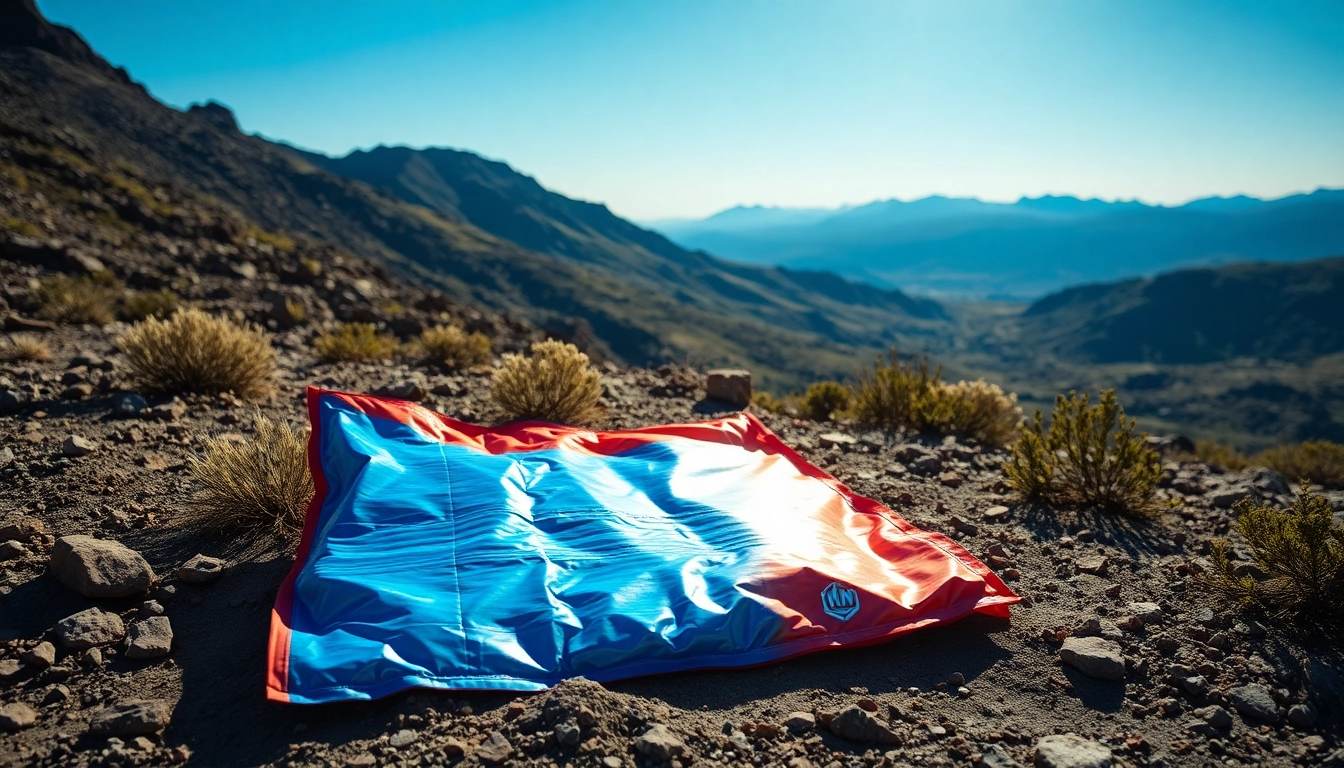
Understanding the Emergency Blanket
What is an Emergency Blanket?
An emergency blanket, often known as a mylar blanket or solar blanket, is a thin, lightweight sheet made of a metallic material that reflects heat and retains warmth. Its primary purpose is to provide thermal insulation, which can be crucial in emergency situations where hypothermia is a risk. Highly portable and designed for easy storage, emergency blankets have become a staple in survival kits, vehicles, and outdoor gear, making them an essential item for anyone concerned about preparedness. These blankets serve more than just a physical function; they embody a mindset of resilience and readiness.
Materials and Design Features
The typical emergency blanket is crafted from a specialized polymer material, often a type of polyethylene, which is laminated with a reflective gold or silver surface. This design features a few key benefits:
- Lightweight: Emergency blankets typically weigh less than 4 ounces, making them easy to carry without encumbering the user.
- Compact: When folded, they can fit into a pocket or a small bag, allowing for convenient storage.
- Water-Resistant: Many mylar blankets are also water-resistant, providing additional protection in wet conditions.
- Reflective Surface: The reflective coating aids in retaining body heat by reflecting it back towards the individual, crucial in preventing heat loss in cold environments.
Different Types of Emergency Blankets
While all emergency blankets serve a similar purpose—thermal insulation—there are variations designed for specific applications:
- Standard Emergency Blankets: Made from thin mylar, these are the most common type, ideal for general use.
- Survival Blankets: Often thicker and more durable, these blankets may include additional features like reinforced edges or grommets for securing them in place.
- Space Blankets: These blankets are often used by astronauts and in scientific applications because of their durability and thermal-retentive properties.
- Reflective Sleeping Bags: Combining the features of a blanket and a sleeping bag, these offer a more enclosed system for warmth.
Practical Uses of Emergency Blankets
Applications in Outdoor Activities
Outdoor enthusiasts often utilize emergency blankets in various situations:
- Camping: As part of your camping kit, an emergency blanket can be invaluable if temperatures drop unexpectedly at night.
- Hiking: For hikers, carrying a compact blanket can provide insulation in case of an emergency, such as injury or getting lost.
- Emergency Shelter: When used to build a makeshift shelter, an emergency blanket can help protect from wind and rain while retaining heat.
Utility in First Aid and Emergency Situations
In first aid scenarios, an emergency blanket plays a critical role in stabilizing victims:
- Hypothermia Prevention: When a person is exposed to cold conditions, wrapping them in an emergency blanket can be a vital measure to prevent hypothermia.
- Shock Treatment: For someone experiencing shock, maintaining body heat is essential, and an emergency blanket can aid in this.
- Visible Signaling: The bright colors of many emergency blankets can also serve as a useful signal for rescue teams.
Using Emergency Blankets at Home
Beyond outdoor activities and emergencies, emergency blankets can be practical in household settings:
- Preparedness Kits: Keeping several mylar blankets in your emergency kit can provide peace of mind in case of unforeseen events such as blackouts or natural disasters.
- Heat Retention: They can be used along with sleeping bags during cold nights or even draped across windows to keep heat in.
- Comfort for Pets: Emergency blankets can also benefit pets by providing warmth during cold weather or comfort during stressful situations (such as thunderstorms).
How to Choose the Right Emergency Blanket
Key Features to Consider
Selecting the right emergency blanket entails understanding the various features that can affect its effectiveness:
- Material Quality: Look for blankets made with high-quality materials that offer durability and effective heat retention.
- Thickness: Thicker blankets may provide better insulation but might also weigh more. Balance your needs based on your activity.
- Size: Consider whether you need a standard size, which covers one person, or a larger size for multiple people.
Size and Weight Considerations
While weight and size may seem secondary, they are crucial when it comes to transportability:
- Lightweight Options: If carrying in a backpack, opt for lighter options to ensure that the blanket does not add unnecessary burden.
- Compactness: The ability to fold or roll the blanket neatly will help maximize space in your gear or kit.
Comparing Waterproof vs. Water-Resistant Options
Understanding the difference between waterproof and water-resistant blankets is important for making informed decisions:
- Water-Resistant Blankets: These will repel some moisture and can be used effectively in light rain or damp conditions.
- Waterproof Blankets: These provide better protection from rain and heavy moisture and are ideal for more severe weather scenarios.
Best Practices for Emergency Blanket Usage
Safe and Effective Use in Emergencies
To maximize the effectiveness of your emergency blanket, here are some best practices:
- Proper Wrapping: Ensure the blanket envelops the body without leaving gaps. For added warmth, use multiple layers if available.
- Avoid Direct Contact with Fire: Keep emergency blankets away from open flames or heat sources, as they can melt quickly.
Tips for Proper Storage
To ensure your emergency blanket is ready for use when needed, follow these storage tips:
- Keep It Dry: Store your blanket in a cool, dry place to prevent degradation over time.
- Check Regularly: Periodically inspect your blanket for tears or punctures that may compromise its functionality.
Maintaining Quality and Longevity
To ensure the longevity of your mylar blanket, follow these maintenance steps:
- Avoid Heavy Stress: Minimize exposure to heavy weights that could puncture or tear the blanket.
- Repack Carefully: When repacking, avoid folding it excessively, which can weaken creases and areas over time.
Conclusion and Recommendations
Summary of Key Takeaways
In conclusion, an emergency blanket is a versatile tool that plays a significant role in safety and preparedness, whether for outdoor adventures or emergencies. Awareness of its features, applications, and best practices can enhance its effectiveness as part of your emergency plan.
Recommended Brands and Products
Several reputable brands offer high-quality emergency blankets. Look for those known for durability and reliability. Some recommended brands include:
- Survive-It!
- Sol Emergency Blanket
- Adventure Medical Kits
Final Thoughts on Preparedness
In a world filled with uncertainties, being prepared is key. Incorporating an emergency blanket into your emergency kit not only maximizes your safety but also provides peace of mind. Remember, even if the product is simple, the power of preparedness is invaluable.