Understanding the Basics of a Fly Fishing Kit
Fly fishing is not just a method; it’s an art form that connects an angler to nature like no other. Central to this experience is the fly fishing kit, a compilation of essential tools and equipment designed to foster successful fishing ventures. For beginners and seasoned anglers alike, understanding the anatomy of a quality fly fishing kit is crucial to maximizing the enjoyment of this peaceful yet thrilling sport. In this comprehensive guide, we will delve into the various components, tips for upgrading, maintenance instructions, product reviews, and common mistakes to avoid, ensuring that every angler has the knowledge they need to optimize their fly fishing experience.
What is a Fly Fishing Kit?
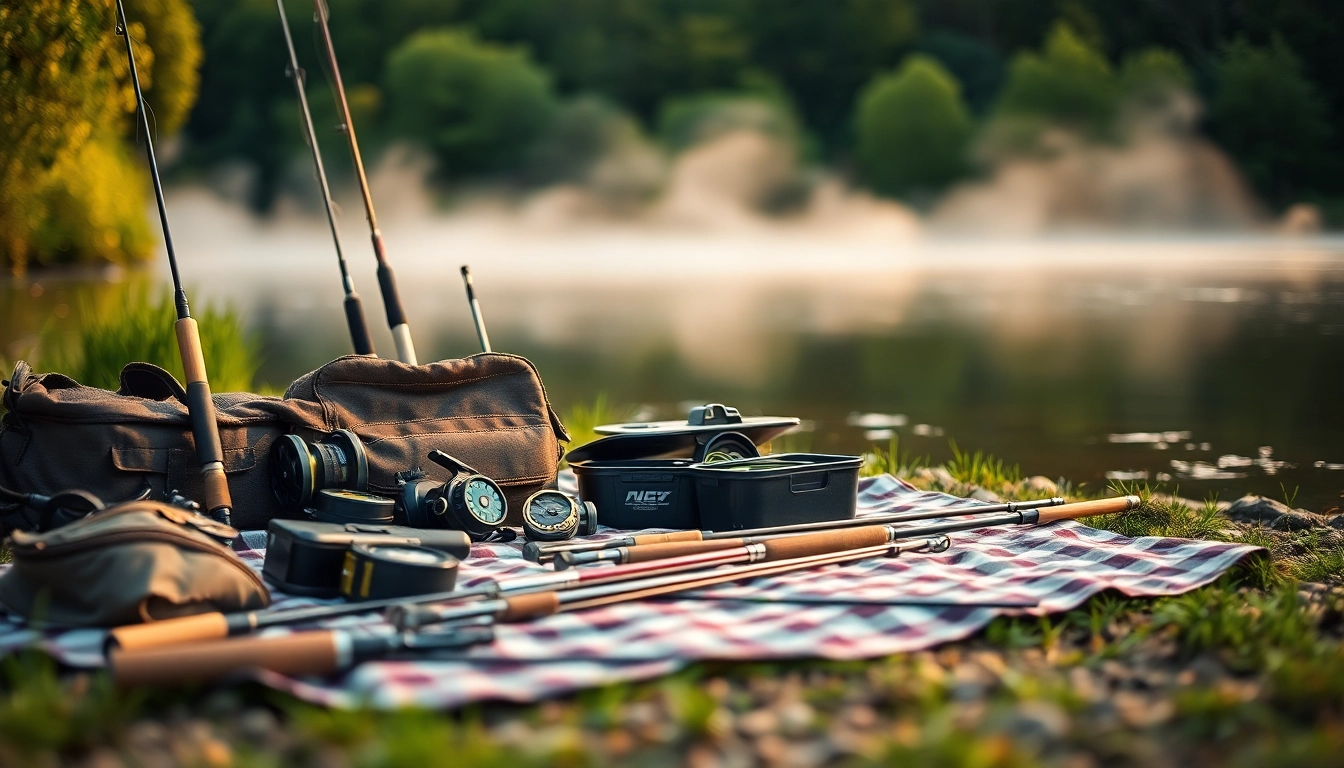
A fly fishing kit typically consists of all the essential gear an angler requires to effectively fish with artificial flies. It usually includes a fly rod, fly reel, fly line, and a selection of flies. Depending on the specific kit, it may also include additional components such as a tackle box, leader line, and various accessories that make the process smoother and more enjoyable. Understanding what’s in a fly fishing kit helps anglers pick the right version for their needs, allowing them to fish confidently.
Key Components of Your Kit
When assembling your fly fishing kit, consider the following key components:
- Fly Rod: The backbone of your setup, available in various lengths and materials. Typically, rods can range from 6 to 10 feet, with materials like graphite and fiberglass.
- Fly Reel: A device that stores the fly line and manages line retrieval. Options range from simple click-and-pawl reels to complex disc-drag reels.
- Fly Line: Specialized lines that float on top of the water, designed for casting light flies. The weight of the line often correlates with the rod weight for optimal performance.
- Leader Line: A clear line that connects the fly line to the fly, usually tapered to allow for natural presentations.
- Flies: Artificial lures meant to imitate fish food. They come in various types, including dry flies, nymphs, and streamers.
- Tackle Box: A storage solution for organization, keeping flies and other accessories safe and easily accessible.
Choosing the Right Gear for Beginners
For those new to fly fishing, navigating the gear selection process can be daunting. Start with a combo kit that includes a rod and reel tailored for beginners. Look for a medium-action rod, typically 8 to 9 feet in length, as it offers a balance of sensitivity and power, suitable for various conditions. Ensure the reel matches the rod weight to avoid compatibility issues during casting. Opt for a floating line in a neutral color to make line management easier, while a starter selection of dry flies, nymphs, and streamers will cover most freshwater fishing scenarios.
Upgrading Your Fly Fishing Kit: What You Need to Know
Once you’ve grasped the basics of fly fishing, you may find yourself wanting to upgrade your kit for an enhanced experience. The right improvements can make a noticeable difference in performance and enjoyment.
Advanced Rod and Reel Options
Upgrading your rod and reel involves more than just aesthetics; it impacts casting distance, accuracy, and overall comfort. As you progress, consider investing in a lightweight graphite rod that provides better sensitivity and responsiveness. Multi-piece rods can offer portability without sacrificing performance. For reels, look for the latest drag technology, as this can make a difference when battling larger fish. Many anglers prefer sealed or waterproof options that minimize maintenance in harsh conditions.
Essential Accessories to Enhance Your Experience
Enhancing your fly fishing kit isn’t limited to the main components. Accessories can increase practicality and success rates significantly. For instance:
- Fly Boxes: Durable fly boxes help organize and protect your flies, making it easy to access different types quickly.
- Forceps: Useful for removing hooks from fish and handling delicate flies, they are an essential accessory.
- Floating and Sinkant: While floatant keeps dry flies on the surface, sinkant helps nymphs sink quickly, increasing their effectiveness.
- Landing Net: A net can help you bring your catch aboard without unnecessary stress on the fish, improving catch-and-release efforts.
Tailoring Your Kit to Local Conditions
Your geographical location dictates many factors of your fishing experience, including the types of fish you’ll encounter. Consider customizing your kit based on local water conditions—clear lakes might require lighter leaders and stealthier presentations, while murky waters might demand brighter, more visible flies. Additionally, varying rod lengths can cater to the fishing environment: shorter rods can be more effective in confined spaces like streams, while longer rods shine in wide-open areas.
Maintenance Tips for Your Fly Fishing Kit
Maintaining your fly fishing kit is essential for durability and performance. Regular upkeep can extend the life of each component, ensuring your gear remains ready for the next adventure.
Keeping Your Rod and Reel in Top Condition
Cleaning your rod and reel after each fishing trip is crucial. A quick rinse with fresh water removes salt, dirt, and grime, preventing corrosion. Inspect your reel for any signs of wear or damage and lubricate moving parts according to manufacturer instructions. Store your gear in protective cases to prevent accidental damage during transportation.
Organizing Your Tackle Box Efficiently
An organized tackle box can save you time on the water. Group flies by type and size, ensuring quick access to what you need based on the specific fishing conditions. Utilize small compartments for different items, such as tippets, leaders, and tools, making it easier to find essentials at a glance.
Storing Your Kit for Longevity
Proper storage is vital for your fly fishing kit’s longevity. Store your rod and reel in a cool, dry environment to prevent degradation from excessive heat or humidity. Regularly check your lines for twists or tangles, which can affect casting efficiency. During the off-season, consider disassembling your gear for storage to avoid putting unnecessary strain on components.
Top Fly Fishing Kits Reviewed
As the fly fishing market evolves, numerous kits cater to different skill levels and preferences. Here, we explore some of the best options available.
High-End vs. Budget-Friendly Options
High-end fly fishing kits often feature top-tier materials, advanced technology, and enhanced performance. Brands like Orvis and Sage are known for their premium offerings, which can significantly enhance the angling experience. However, there are also solid budget-friendly options available, such as beginner kits from Redington or Pflueger, which provide sufficient quality for novices without breaking the bank. The best choice depends on your budget, experiences, and long-term fishing goals.
What Makes a Kit Stand Out?
When evaluating fly fishing kits, consider factors such as included accessories, warranty, customer service, and the reputation of the manufacturer. A standout kit often includes a thoughtfully designed rod and reel combo, a variety of flies suitable for local conditions, and other essential accessories like a fishing vest, line nippers, or storage options. Reviews from fellow anglers can also provide valuable insights about actual performance and durability.
User Reviews and Recommendations
Real-world feedback is invaluable when assessing fly fishing kits. Look for comprehensive reviews on fishing forums and retail sites, where users share their experiences and suggestions. A kit that consistently receives praise for ease of use, versatility, and value for money is likely a wise investment. Don’t hesitate to ask for recommendations in local expert shops, where seasoned anglers can offer firsthand advice based on your unique preferences.
Common Mistakes to Avoid with Your Fly Fishing Kit
Learning from others’ experiences can save beginners and even experienced anglers a lot of time and frustration. Here are some common mistakes to avoid with your fly fishing kit:
Misunderstanding Rod and Line Compatibility
One frequent error new anglers make is pairing the wrong rod and line weights. Each rod is designed for a specific line weight range, ensuring optimal performance. Using a line that’s too heavy can affect casting distance and accuracy, while a line that’s too light can compromise your ability to land fish effectively. Always match your fly line to the designated rod weight.
Overloading Your Tackle Box
While it’s tempting to carry as many flies and accessories as possible, overloading your tackle box can make it cumbersome and disorganized. Instead of cramming as many items as possible, focus on packing a selection of versatile flies that work for various scenarios. This allows for more efficient fishing and easier access to necessary gear when the time comes.
Ignoring Local Fishing Regulations and Best Practices
Failing to adhere to local regulations can not only lead to penalties but can also harm fish populations and habitats. Always familiarize yourself with local fishing rules, including catch limits and seasonal restrictions. Moreover, practice ethical fishing by following catch-and-release guidelines to ensure sustainable fishing for future generations.
By understanding the components of a fly fishing kit, upgrading wisely, maintaining your gear, and avoiding common pitfalls, you can elevate your fly fishing adventures to new heights. Whether you're just beginning or looking to refine your technique, having the right equipment and knowledge at your disposal is key to a fruitful fly fishing experience.