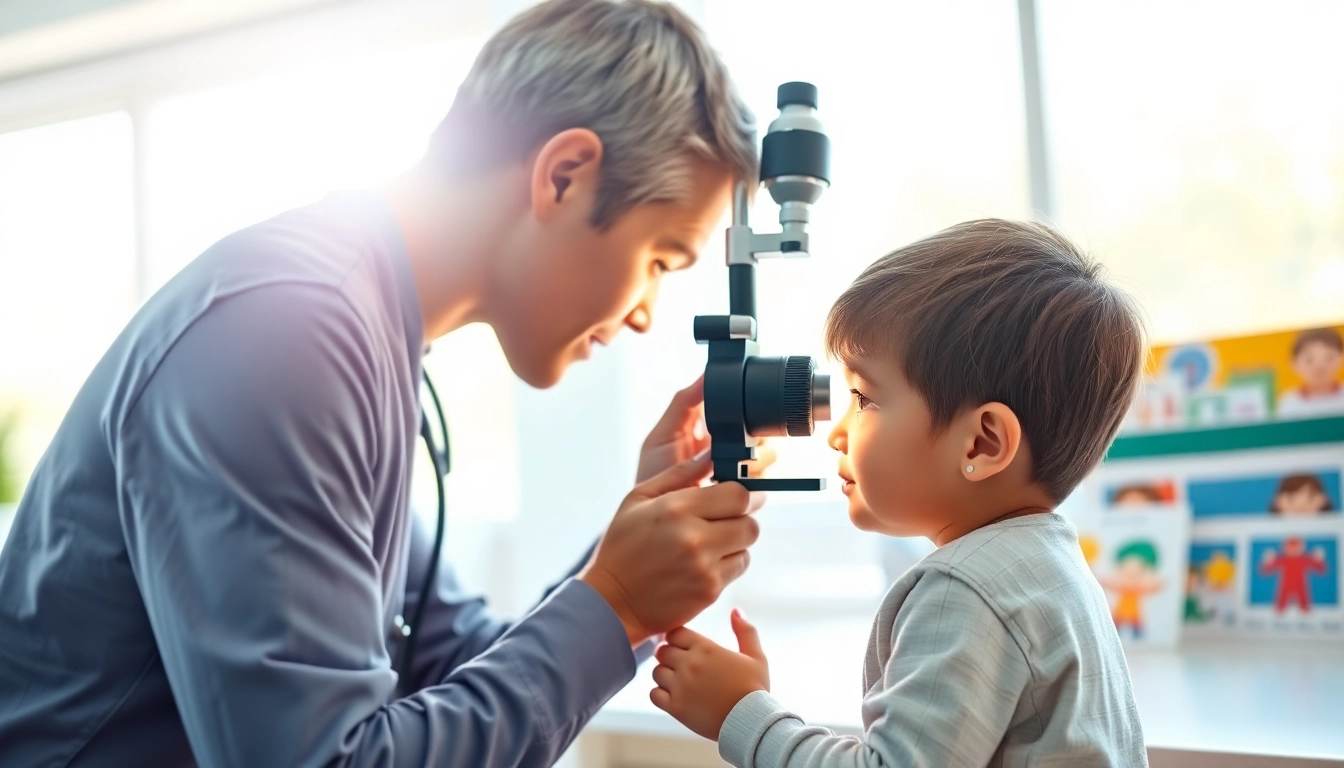
Understanding Our Children's Vision
The Importance of Eye Health in Childhood
From the moment they enter the world, children's vision plays a pivotal role in their development. Vision is not only a primary means by which children explore their environment but is also crucial for learning and social interactions. Research indicates that approximately 1 in 4 children have undiagnosed vision issues, impacting their ability to learn effectively. Routine eye care should be prioritized to ensure that children can fully participate in educational experiences and social activities.
Regular eye examinations help to pinpoint any potential problems early on. Commonly overlooked, many parents may assume their children's vision is fine simply due to normal childhood behavior, like squinting or sitting too close to the television. However, these could be precursors to more serious issues, making early intervention crucial in ensuring optimal eye health and development. Our Children's Vision stresses the importance of awareness and proactive measures that can be taken to safeguard children's eye health.
Factors Leading to Vision Impairment
Several factors contribute to the risk of vision impairment in children. Genetics plays a significant role; children with a family history of eye issues may be more likely to experience similar problems. Environmental factors, such as excessive screen time and limited outdoor activity, are also becoming notable contributors to vision decline in the younger population. Poor nutrition and health conditions, including diabetes and obesity, can further exacerbate these risks.
Key Statistics on Children's Vision
Statistics reveal alarming trends regarding children's eye health:
- About 20% of preschoolers are at risk for vision problems.
- More than 1 million children experience vision impairment or blindness globally.
- Eye-related learning difficulties affect approximately 50% of children with reading disabilities.
These figures underscore the necessity for awareness and action, guiding parents and caregivers to foster a culture that prioritizes eye health from an early age.
Identifying Vision Problems Early
Common Signs of Vision Issues in Children
As children are often unaware of their vision problems, it is critical for parents and caregivers to recognize potential signs. Common indicators that might suggest a vision issue include:
- Squinting or straining when reading or watching television.
- Frequent headaches or eye fatigue.
- Difficulty focusing on objects or maintaining eye contact.
- Closing one eye to look at objects.
These signs warrant a prompt eye exam from an ophthalmologist or optometrist to rule out any significant issues.
How to Address Concerns Promptly
If any of the above signs are observed in a child, parents should act quickly. Consult a qualified eye care professional who specializes in pediatric ophthalmology. Keep a record of observations and mention them during the appointment, as this information will help the practitioner make an informed evaluation. In some cases, eye problems can be remedied with glasses or targeted exercises, but early detection is key to successful treatment.
The Role of Vision Screenings
Vision screenings are a crucial preventive measure. They can be conducted by pediatricians, school nurses, or specially trained community volunteers. Screenings are swift and effective tools to identify those who may need further evaluation and treatment. Schools often provide vision screenings to help catch issues that might otherwise go unnoticed in home environments. Parents are encouraged to check with local schools and healthcare facilities to partake in such programs.
The Impact of Quality Eye Care
Benefits of Regular Eye Exams
Regular eye exams support optimal eye health throughout childhood. Children should have their first comprehensive eye exam by the age of one and further evaluations before they enter school. These comprehensive eye exams go beyond basic screenings, allowing eye care professionals to test for various aspects of eye health, including visual acuity and eye alignment. Early detection and treatment can significantly minimize developmental delays related to vision impairments.
How Eye Care Influences Learning
Clear vision is paramount for learning. A child with uncorrected vision problems may struggle with academics, leading to frustration and low self-esteem. Studies indicate that children who receive proper vision care perform better in school compared to those who do not. Clarity of vision improves not only reading skills but also enhances overall classroom engagement and learning capabilities.
Case Studies of Enhanced Child Development
Case studies reveal significant impacts of timely and quality eye care on child development. For example, a study examining a group of preschoolers found that those provided with thorough eye exams and necessary interventions demonstrated a marked improvement in social interactions and learning uptake compared to a control group. These children exhibited better concentration levels, increased participation in activities, and an overall improvement in behavioral patterns.
Advocacy and Awareness for Eye Health
Community Initiatives Supporting Our Children's Vision
Community initiatives play a vital role in promoting children's eye health. Organizations often coordinate efforts to raise awareness through campaigns, school programs, and free vision screenings. These initiatives help bridge gaps by providing access to essential eye care in underserved populations, enhancing the quality of life for children and their families.
How Families Can Get Involved
Families can support eye health advocacy through participation in local events, providing feedback on community vision services, or volunteering with organizations focused on children's eye health. Simple actions, such as advocating for schools to implement mandatory vision screenings or engaging in discussions about eye health, can foster a culture of proactive eye care in communities.
The Importance of Partnerships in Eye Care
Partnerships across community organizations, healthcare providers, and educational institutions are essential for the sustainability of eye health initiatives. Collaborative efforts ensure that resources are maximized and strategies are well-coordinated. By working together, partners can reach larger audiences and create a comprehensive support system for children's eye health across diverse demographics.
Next Steps for Parents and Caregivers
Guidelines for Choosing an Eye Care Professional
Selecting the right eye care professional is vital for your child's ongoing eye health. When searching for a pediatric eye care provider, consider the following guidelines:
- Verify qualifications and experience in pediatric eye care.
- Seek recommendations from other parents and health care providers.
- Assess the office environment to ensure it is child-friendly.
- Check for accessible appointment scheduling and follow-up care protocols.
Tips for Building Good Eye Care Habits
Parents can cultivate healthy eye care habits at home that will foster long-term eye health. Encourage regular breaks from screens, engage children in outdoor activities, and ensure balanced nutrition rich in eye-healthy nutrients such as vitamins A, C, and E. Establishing a routine that incorporates regular eye exams will help maintain their visual health.
Resources for Continued Learning about Eye Health
Education regarding eye health is an ongoing process. Parents and caregivers can access various resources, including reputable organization websites, local health programs, and educational workshops. Engaging with these materials enables caregivers to stay informed about the best practices in eye care and empowers them to advocate effectively for their children's needs.