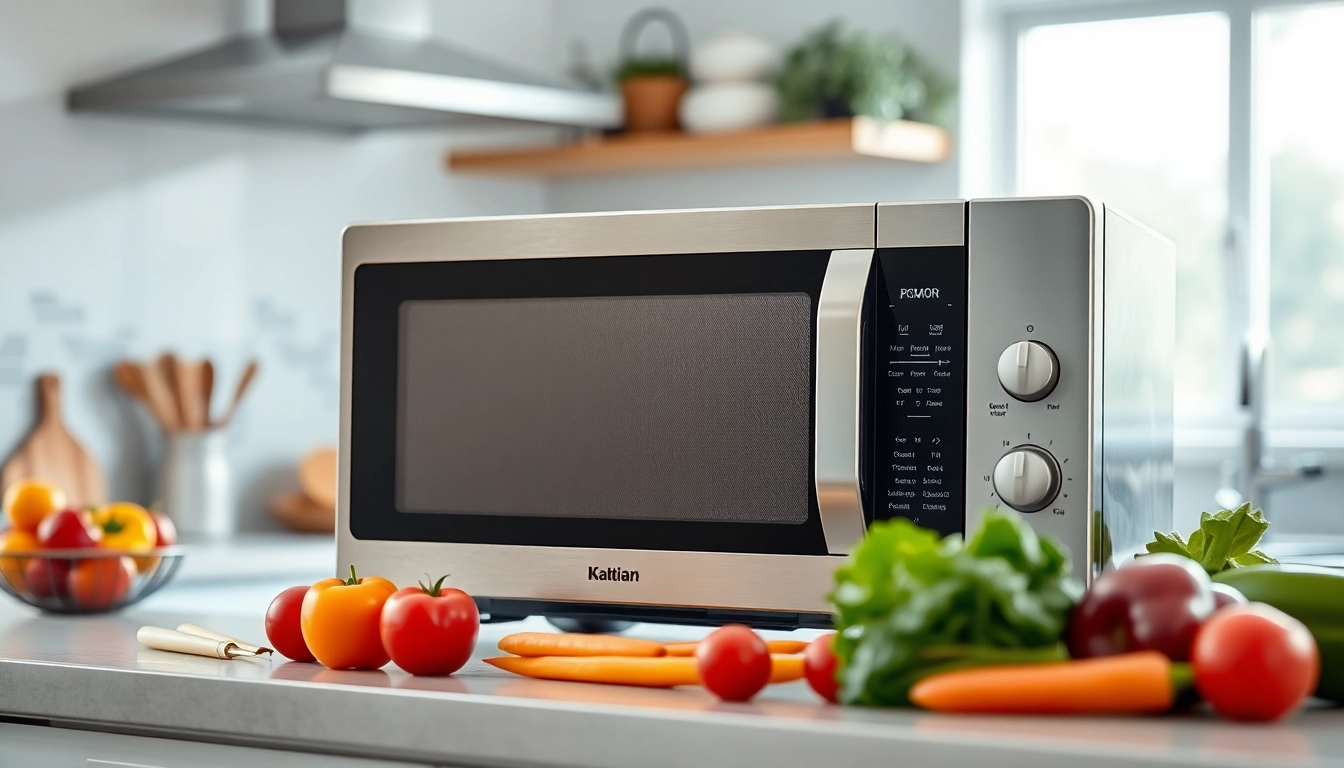
The Growing Market for Microwave Oven Sales
In recent years, the microwave oven has evolved from a kitchen novelty to an essential household appliance. As busy lifestyles and the demand for convenience continue to rise, understanding the dynamics surrounding microwave oven sales becomes increasingly important. This article explores consumer preferences, market trends, and regional variations that significantly influence microwave oven sales.
Understanding Consumer Preferences
Consumer preferences are pivotal in shaping the microwave oven market. Today’s consumers seek appliances that not only deliver speed and convenience but also offer versatility, allowing for a diverse range of cooking methods. In surveys, many individuals express a preference for microwave ovens that include features like convection cooking, which provides more cooking options beyond standard reheating. Additionally, the appeal of user-friendly interfaces, intuitive presets, and compact designs are rising, especially among urban dwellers with limited kitchen space.
Market Trends Impacting Sales
The microwave oven market is influenced by various trends that reflect changes in consumer behavior and technological advancements. For instance, the growing popularity of smart appliances has led to the emergence of connected microwave ovens that can be controlled via smartphones. Energy-efficient models are also gaining traction, aligning with the sustainable living movement where consumers favor environmentally friendly appliances. Furthermore, the post-pandemic period has seen a surge in home cooking, driving up microwave oven sales as people invest in their kitchens.
Regional Variations in Demand
Regional preferences can significantly affect microwave oven sales. For example, in North America and parts of Europe, built-in and over-the-range microwave ovens are particularly popular due to space-saving needs. Conversely, in Asia, countertop models tend to dominate, reflecting different cooking habits and kitchen sizes. Marketers must be sensitive to these regional variations when tailoring their offerings and marketing strategies to meet specific local demands.
Features That Attract Buyers
The features of a microwave oven often directly impact its attractiveness to potential buyers. The following discusses several key features that resonate strongly with consumers.
Innovative Technology in Microwave Ovens
Technological advancements enhance the functionality of microwave ovens, making them smarter and more versatile. Notable innovations include inverter technology, which allows for precise cooking temperatures and even heating, improving meal quality. Sensor cooking technology is another appealing feature, enabling the microwave to automatically adjust cooking time based on the moisture released from the food, thus ensuring optimal results without guesswork.
Energy Efficiency and Sustainability
With rising awareness of environmental issues, energy-efficient microwave ovens stand out in the market. Models equipped with energy-saving settings and those that consume less power without compromising performance appeal significantly to eco-conscious consumers. The ENERGY STAR certification has become a trusted label, representing efficiency and sustainability, encouraging buyers to choose models that align with their values.
Design Aesthetics that Appeal
Design plays a vital role in consumer choice, especially in a kitchen setting. Modern consumers are drawn to microwave ovens that blend style with functionality. Sleek, minimalist designs in neutral colors or stainless steel finishes are particularly attractive, as they complement contemporary kitchen aesthetics. Additionally, the trend of customizable finishes allows consumers to personalize their appliances, enhancing their overall kitchen decor.
Effective Marketing Strategies
Marketing strategies must adapt to changing consumer behavior and technological advancements to drive microwave oven sales successfully. The following sections highlight effective methods to engage and convert potential buyers.
Leveraging Social Media for Engagement
Social media platforms serve as powerful tools for engaging potential customers. Brands can utilize visually rich content, such as recipe videos and user testimonials, to showcase their products in action. Paid advertising on platforms like Facebook and Instagram can target specific demographics, ensuring that marketing efforts reach consumers most likely to purchase. Creating interactive polls or contests can further enhance engagement and build a community around the brand.
Creating Compelling Content for Ad Campaigns
Content marketing remains an effective way to convey value and educate consumers. Developing blog posts, how-to guides, and recipe ideas that incorporate microwave oven usage can improve SEO and drive traffic to a brand’s website. Moreover, storytelling that highlights the convenience and versatility of microwave ovens can resonate deeply with busy consumers, providing them with practical reasons to consider a purchase.
Utilizing Consumer Reviews and Testimonials
Consumer feedback is incredibly influential in the decision-making process. Brands should encourage satisfied customers to share their experiences through online reviews and testimonials. Displaying authentic customer feedback on product pages and marketing materials can build trust and credibility. Additionally, responding to both positive and negative reviews demonstrates a commitment to customer satisfaction, further influencing potential buyers’ perceptions.
Common Challenges in Microwave Oven Sales
The microwave oven industry faces several challenges that can hinder sales performance. Addressing these obstacles effectively is crucial for success.
Addressing Misconceptions About Microwaving
Many consumers hold misconceptions about microwave cooking, such as the belief that it destroys nutrients or produces unhealthy food. Educating consumers on the science behind microwave cooking and its advantages in retaining nutrients and promoting health can help dispel these myths. Providing factual information through marketing materials and customer support can alleviate concerns and encourage more confident purchases.
Competing with Alternative Cooking Appliances
The proliferation of alternative cooking appliances, such as air fryers and instant pots, poses a challenge to microwave oven sales. To remain competitive, brands must emphasize the unique benefits of microwave ovens, such as speed, versatility, and ease of use. Highlighting innovative features that differentiate microwave ovens from these alternatives can also be an effective strategy.
Navigating Supply Chain Issues
Global supply chain disruptions can impact availability and delivery times of microwave ovens. Brands must strengthen their supply chain management practices to mitigate these challenges. Building strong relationships with suppliers, diversifying sourcing options, and maintaining transparent communication with customers regarding delays can help maintain consumer trust even during difficult periods.
Measuring Success in Microwave Oven Sales
Understanding and measuring success in sales is critical for growth and strategy adjustments. Brands should focus on key performance indicators (KPIs) that provide meaningful insights into their sales processes and customer engagement.
Key Performance Indicators to Monitor
Analyzing KPIs such as sales growth rate, inventory turnover, and customer acquisition costs can provide insights into market performance. Monitoring metrics related to customer engagement, such as website traffic and email open rates, can also inform marketing strategies and product developments. Regularly assessing these KPIs allows brands to make data-driven decisions that align with consumer expectations.
Analyzing Sales Data for Insights
Diving into sales data reveals trends and consumer behaviors that can guide future strategies. For instance, identifying which models resonate most with consumers can inform future product development and marketing efforts. Analyzing seasonal sales trends can also aid in inventory planning and promotional timing, ensuring that brands capitalize on peak buying periods.
Adjusting Strategies Based on Consumer Feedback
Consumer feedback serves as an invaluable resource for continuous improvement in sales strategies. Regularly soliciting feedback through surveys and reviews enables brands to understand consumer needs and preferences better. Using this information to adjust product offerings, marketing messages, and customer service practices can enhance consumer satisfaction and boost sales over time.
FAQs:
What should I consider when buying a microwave oven?
Consider size, power, features, and price to find a suitable option that meets your cooking needs.
How can I improve my microwave oven's performance?
Keep it clean, avoid using metal containers, and ensure proper ventilation for optimal performance.
Are there energy-efficient microwave ovens available?
Yes, many models offer energy-efficient settings that help save electricity while cooking.
What features should I look for in a microwave oven?
Look for features like inverter technology, sensor cooking, and pre-programmed settings for convenience.
How do I promote my microwave oven business online?
Utilize social media, SEO, and engaging content marketing strategies to attract potential buyers effectively.