The Fundamentals of Human Interface with AI
Defining Human Interface with AI
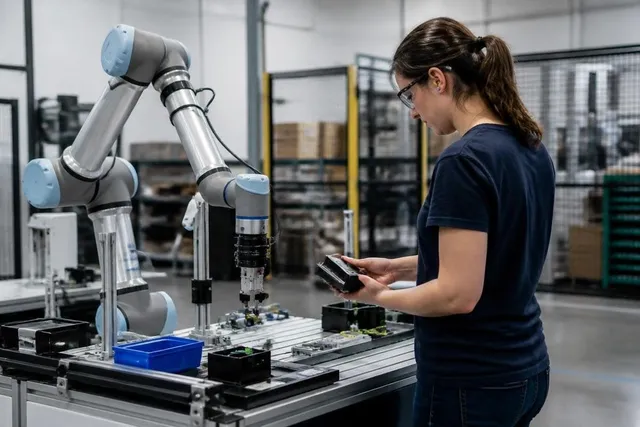
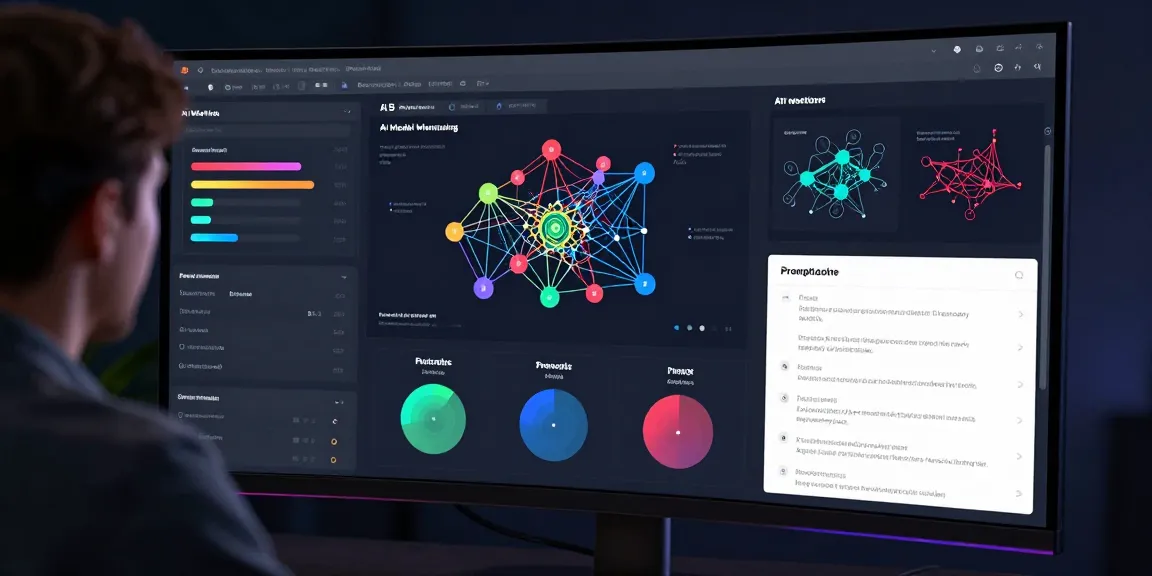
The concept of Human Interface with AI involves the multifaceted interaction between humans and artificial intelligence systems. At its core, this interface serves as the bridge through which humans communicate, collaborate, and coexist with AI technology. It encompasses the tools, technologies, and methodologies that facilitate engagement with AI systems, ensuring users can leverage AI's capabilities effectively and intuitively.
Human interface with AI can be seen as an evolving relationship. As AI becomes increasingly integrated into our daily lives—from virtual assistants to advanced data analytics—the proficiency of this interaction is pivotal in enhancing usability, satisfaction, and productivity. The essence lies not simply in functionality but also in ensuring that this technology feels seamless and relatable to users.
Key Components of Effective Human Interface with AI
To attain a successful Human Interface with AI, several integral components must be addressed:
- User-Centric Design: The design process must prioritize the end-user's needs and preferences, ensuring accessibility and intuitiveness.
- Interactivity: Effective interfaces leverage responsive and adaptive designs that engage users actively, allowing for a two-way interaction with AI systems.
- Feedback Mechanisms: Implementing robust feedback systems enables users to understand AI actions, fostering transparency and trust.
- Contextual Awareness: AI systems should be able to recognize the context in which they operate, allowing for relevant and timely responses that enhance user experience.
- Emotional Intelligence: Promoting empathetic interfaces that can recognize and respond to human emotions leads to improved user satisfaction and engagement.
Challenges in Developing Human Interface with AI
Despite the advancements in technology, the path to creating effective human interfaces with AI is fraught with challenges:
- Complexity of Human Psychology: Understanding user behavior and psychological underpinnings is challenging, requiring interdisciplinary expertise from psychology, design, and technology.
- Technological Limitations: Current AI capabilities, especially in understanding nuanced human emotions and context, are still developing.
- Ethical Concerns: As AI interfaces collect and analyze personal data, ensuring user privacy and addressing ethical considerations are paramount.
- Diversity in User Expectations: Users come from varying backgrounds and domains; fostering inclusivity in design can be complex but remains essential for broad acceptance and usability.
The Importance of User Experience in Human Interface with AI
Creating User-Friendly Human Interface with AI
User experience (UX) is critical in the domain of human interfaces with AI. A positive UX leads to increased satisfaction, greater adoption rates, and enhanced interactions. The primary goal is to make AI systems more approachable and easier to use.
Keys to cultivating a user-friendly interface include:
- Simplicity: Interfaces should minimize unnecessary complexity, allowing users to navigate easily and achieve their goals without confusion.
- Consistency: Similar tasks and functions should maintain consistency in appearance and interaction, which aids user learning.
- Customization: Enabling users to personalize their interfaces promotes a sense of ownership and comfort, enhancing their experience.
Measuring User Satisfaction in Human Interface with AI
Measuring user satisfaction is vital for ongoing improvements in the Human Interface with AI landscape. Key performance indicators (KPIs) that can be utilized include:
- NPS (Net Promoter Score): Evaluating the likelihood of users recommending the AI system to others gives insight into their satisfaction.
- Usability Testing: Observing user interactions through structured testing sessions reveals pain points and efficiency gaps.
- User Feedback: Direct user feedback via surveys or interviews provides qualitative insights into user perceptions and areas for improvement.
Case Studies Demonstrating Successful Human Interface with AI Implementations
Learning from successful implementations of human interfaces with AI can inform best practices and design strategies. For instance, one notable case study involves the development of a virtual assistant for healthcare professionals. This AI was designed to simplify consultation processes, allowing doctors to retrieve patient records and appointment schedules through voice commands, drastically shortening wait times and enhancing workflow efficiency.
Another compelling example includes the use of AI in education, where intelligent tutoring systems provide personalized learning experiences to students. By analyzing student performance and tailoring lessons to their individual needs, these systems foster greater engagement and improve educational outcomes.
Design Principles for Human Interface with AI
Integrating Aesthetics and Functionality in Human Interface with AI
The intersection of aesthetics and functionality is crucial in crafting an effective human interface with AI. A visually appealing design that is also functional encourages interaction and establishes a positive engagement with users. Elements to consider include:
- Visual Hierarchy: Establish focal points in the design that guide users through tasks efficiently while ensuring clarity.
- Color Psychology: Use colors strategically to evoke emotional responses while enhancing usability.
- Typography: Clear and legible typography is vital for effective communication, ensuring users can read and comprehend content easily.
Best Practices for Designing Human Interface with AI
Adopting best practices during the design process can significantly enhance the human interface with AI:
- Iterative Design Process: Emphasize prototyping and iterative testing to refine and optimize the interface over time.
- User Feedback Loops: Continually gather and analyze user feedback throughout the design process to adapt to user experiences.
- Collaborative Design: Involve diverse stakeholders, including end-users and experts, in the design process to ensure various perspectives are considered.
Tools and Technologies to Support Human Interface with AI Design
The tools available for designing human interfaces with AI continue to evolve, providing designers with innovative ways to develop intuitive applications. Some popular tools include:
- Prototyping Tools: Software such as Adobe XD and Figma enables designers to create interactive prototypes quickly.
- User Testing Platforms: Tools like UsabilityHub facilitate testing user interfaces with real users, helping identify user errors and satisfaction levels.
- AI Frameworks: Utilizing existing AI frameworks, such as TensorFlow and PyTorch, enables deeper integration of machine learning capabilities into interfaces.
Future Trends in Human Interface with AI
Emerging Innovations in Human Interface with AI
The landscape of human interface with AI is rapidly changing, with several trends emerging that promise to shape its future:
- Conversational Interfaces: The rise of natural language processing (NLP) enables more intuitive and human-like conversations with AI systems.
- Multimodal Interaction: The integration of various input modalities (voice, touch, gestures) provides users with flexible engagement options, catering to individual preferences.
- Adaptive Interfaces: AI systems that can learn and adapt based on user interactions foster improved experiences by evolving over time to better meet user needs.
The Role of Ethics in Human Interface with AI Development
As AI grows more sophisticated, ethical considerations are becoming paramount in the design and operation of human interfaces with AI. Developers must address issues such as:
- Data Privacy: Ensuring users' data is handled ethically, transparently, and securely to foster trust and safeguard user rights.
- Bias Mitigation: Actively working to reduce biases within AI algorithms to prevent discrimination and unfair treatment in decision-making processes.
- Accountability: Establishing clear accountability measures for AI actions and decisions to enhance user confidence in AI systems.
Predictions for Human Interface with AI Over the Next Decade
As we look ahead, several predictions can be made about the future of human interface with AI:
- Greater Personalization: Advancements in AI technology will allow for hyper-personalized interfaces that cater to the specific needs and preferences of individual users, enhancing satisfaction and engagement.
- Ubiquitous AI Integration: AI will continue to become more pervasive across various fields, leading to smoother interactions that become embedded within everyday experiences.
- Enhanced Collaboration: The collaboration between humans and AI systems will evolve, emphasizing partnership and teamwork, leveraging the strengths of each.
Evaluating the Impact of Human Interface with AI
Performance Metrics for Assessing Human Interface with AI
To quantify the effectiveness of human interfaces with AI, a range of performance metrics is essential:
- Task Completion Rates: Measuring the percentage of users who successfully complete specific tasks can indicate usability and efficiency.
- Error Rates: Analyzing the frequency of user errors can pinpoint usability flaws and areas needing improvement.
- User Retention: Observing how often users return to interact with the AI system serves as an indicator of satisfaction and effectiveness.
The Business Value of Improving Human Interface with AI
Investing in improved human interfaces with AI presents numerous business advantages:
- Increased Productivity: User-friendly interfaces can reduce training time and lead to enhanced operational efficiency.
- Higher Customer Satisfaction: Satisfied users are more likely to engage with products and services, driving overall business growth.
- Reduced Operational Costs: Efficient interfaces can minimize support costs by empowering users to resolve their own queries and navigate systems independently.
Long-term Implications of Human Interface with AI on Society
The ongoing evolution of human interfaces with AI stands to have profound long-term implications for society:
- Shifts in Workforce Dynamics: As AI becomes integrated into various sectors, workforce skillsets will need to evolve, fostering new job roles and altering the nature of existing positions.
- Empowerment through Accessibility: Human interfaces that prioritize inclusivity will empower diverse demographics, ensuring technology serves everyone effectively.
- Societal Trust in Technology: Building interfaces characterized by transparency, ethics, and user-centric designs will enhance societal trust in AI systems, promoting broader acceptance and collaboration.