Understanding Our Children's Vision Initiative
Vision is essential for every aspect of a child's life, from learning and playing to developing social relationships. Despite its significance, many children worldwide face challenges related to their eye health. This is where initiatives like Our Children's Vision come into play, aiming to raise awareness about children's eye health and provide access to necessary eye care services.
What is Our Children's Vision?
Our Children's Vision is a global initiative focused on improving the eye health of children and adolescents. The program is driven by the recognition that many young people suffer vision impairment due to inadequate access to eye care. The initiative brings together partners from various sectors, including healthcare providers, educators, and community organizations, to collaborate on effective and sustainable strategies to combat this pressing issue. It functions as a call to action, urging stakeholders to prioritize the eye health of children and to ensure that effective, comprehensive, and preventive eye care services are available to all.
The Goals of Our Children's Vision
The primary goals set forth by Our Children's Vision include:
- Awareness: Raising public awareness about the importance of eye health in children and the impact of vision problems on their overall development.
- Accessibility: Improving access to necessary eye care services, including screenings, treatments, and corrective measures, particularly in underserved populations.
- Collaboration: Fostering partnerships among stakeholders to create a supportive ecosystem focused on children’s eye health.
- Sustainability: Ensuring that the initiatives are sustainable by integrating eye health into routine healthcare systems as well as educational frameworks.
Why Eye Health is Crucial for Children
Proper eye health is critical for children, as it plays a vital role in their educational performance and social interactions. Vision problems can hinder learning, lead to academic challenges, and affect self-esteem and social skills. Poor vision may result in decreased participation in sports and recreational activities, further impeding a child's overall development. Ensuring that children receive regular eye care is not only essential for their health but also for their future potential in life.
Challenges in Children's Eye Health
While initiatives like Our Children's Vision seek to alleviate challenges related to children's eye health, various obstacles persist. Understanding these challenges is crucial for developing effective solutions.
Common Eye Problems in Children
Several eye conditions are prevalent among children, including:
- Myopia (Nearsightedness): A growing concern affecting children worldwide, myopia often develops during school-age years.
- Hyperopia (Farsightedness): This can lead to difficulty focusing on near objects and may affect reading skills.
- Amblyopia (Lazy Eye): This condition occurs when one eye is weaker than the other, leading to poor vision if not treated early.
- Strabismus (Crossed Eyes): This affects depth perception and can result in double vision if not addressed.
Barriers to Accessing Eye Care
Despite the prevalence of eye conditions, many children lack access to essential eye care services. Barriers include:
- Geographical Dispersion: In rural and underserved urban areas, there may be a scarcity of eye care facilities.
- Financial Constraints: Families may struggle to afford eye care services, especially if they lack insurance coverage.
- Lack of Awareness: Many parents may not recognize the signs of vision problems or understand the importance of regular eye exams.
Impact of Vision Issues on Child Development
The ramifications of untreated vision problems in children go beyond immediate discomfort; they can significantly impact various dimensions of development. Academic challenges are common due to difficulties focusing on lessons or reading materials. Furthermore, social skills may be affected, as children with vision impairment might struggle in social scenarios, leading to isolation. The long-term consequences can manifest in lower self-esteem, diminished career opportunities, and overall reduced quality of life.
Best Practices for Promoting Eye Health
In light of these challenges, it is imperative to adopt best practices that support and promote children's eye health. Stakeholders can implement various strategies to enhance the ocular well-being of young individuals.
Regular Eye Exams: Importance and Frequency
Regular eye examinations are fundamental for early detection and treatment of vision issues. Experts recommend that children should undergo comprehensive eye exams:
- By their first birthday
- At preschool age (3 to 5 years)
- Before entering elementary school
- Every two years until age 18, or annually if there are existing vision problems.
Establishing a routine for eye exams can help catch conditions before they significantly impact a child's development.
Activities to Encourage Good Vision
Engaging children in activities that promote healthy vision can be both fun and beneficial. Some recommendations include:
- Outdoor Play: Encouraging at least 90 minutes of outdoor play daily can help reduce the risk of developing myopia.
- Screen Time Management: Limiting screen time can help reduce eye strain; following the “20-20-20” rule (look at something 20 feet away for 20 seconds after every 20 minutes of screen use) is an effective strategy.
- Healthy Eating: A diet rich in fruits and vegetables supports eye health; nutrients like vitamins A, C, and E, as well as omega-3 fatty acids, are essential for vision wellbeing.
Educating Parents about Eye Health
Empowered caregivers are vital in advocating for children’s eye health. Educational workshops, resources, and easy access to information can help parents recognize symptoms of vision problems and understand the importance of routine eye exams. Schools can collaborate with health organizations to offer information sessions that equip parents with knowledge about children’s eye health.
Collaborative Efforts in Eye Health Initiatives
Community collaboration plays an essential role in enhancing children’s eye healthcare. By pooling resources and expertise, various stakeholders can implement effective strategies for implementation and improvement.
Pediatricians and Schools Working Together
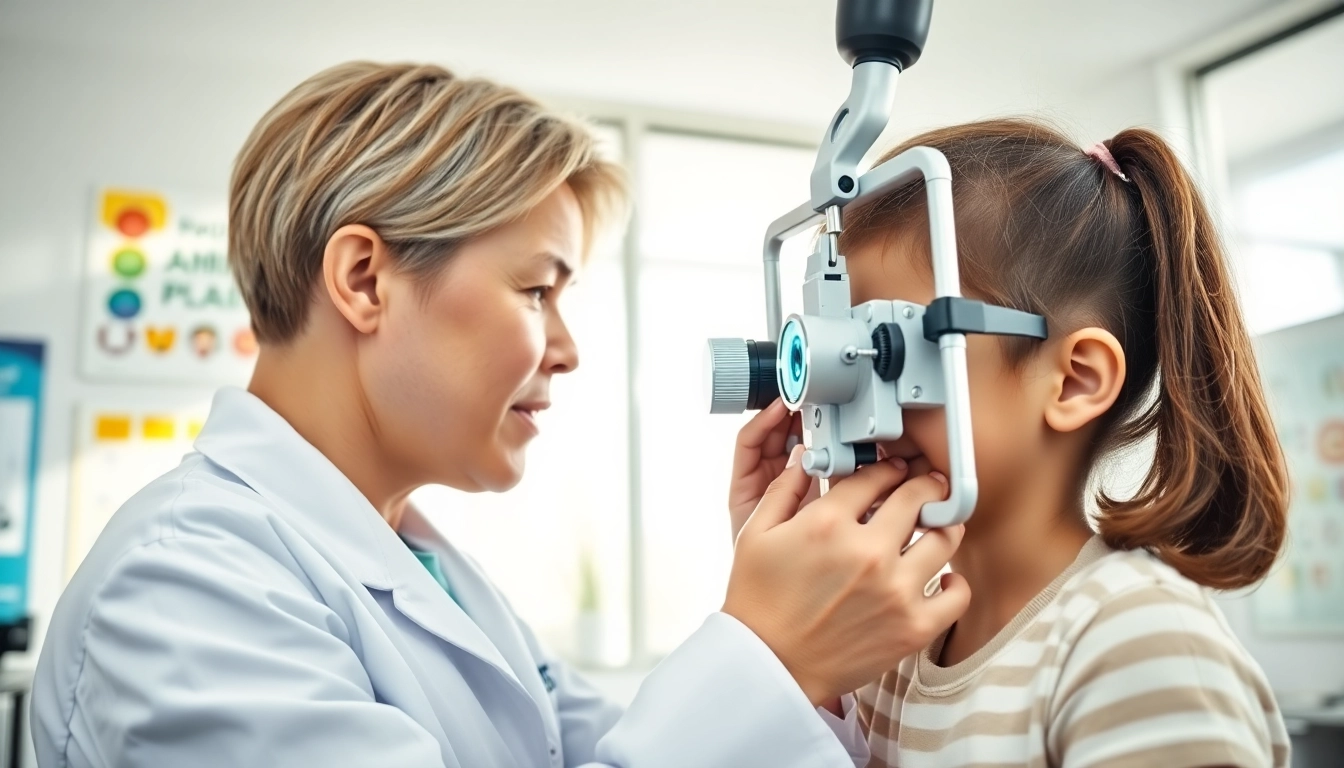
Cooperation between pediatricians and educational institutions can lead to more comprehensive eye care services. Pediatricians can carry out developmental screenings that include vision assessments, while schools can organize routine vision screenings for students, ensuring no child goes unnoticed if they exhibit signs of visual impairment.
The Role of Community Programs
Community-based programs are crucial to reaching families who may lack access to healthcare. Mobile clinics, community health events, and partnerships with local organizations can help facilitate screenings and provide educational resources about children’s eye health. Additionally, outreach programs can assist families in understanding how to seek eye care services effectively.
Global Efforts in Enhancing Children's Vision
On a broader scale, international collaborations aim to enhance the eye health landscape for children worldwide. Organizations that engage in global health efforts often focus on creating guidelines, providing training to healthcare providers, and ensuring that the importance of children's eye health is recognized on a global level. These collective efforts can lead to innovative solutions and policies that benefit children across different socioeconomic backgrounds.
Measuring Success in Our Children's Vision
To effectively assess the impact of initiatives dedicated to children's eye health, it is essential to measure progress and success. Evaluation tools and methodologies must be in place to track outcomes and identify areas for improvement.
Tracking Progress of Eye Health Initiatives
Establishing metrics for tracking success in children's eye health initiatives is necessary for understanding the effectiveness of current practices. Key performance indicators (KPIs) can include the number of children screened annually, the increase in awareness within communities, and the percentage of identified vision conditions that receive appropriate follow-up care. Regular assessments can guide adjustments to strategies that enhance service delivery.
Success Stories and Case Studies
Illustrating the positive impact of Our Children's Vision is critical for fostering continued engagement and support. Documenting success stories where children's vision health has significantly improved can serve as powerful testimonials. These narratives can highlight specific interventions or collaborative efforts that made a difference in particular communities, inspiring further action and participation.
Future Goals for Our Children's Vision
Aiming for continuous improvement, Our Children's Vision sets forth future goals that focus on scaling successful interventions, increasing funding for eye health initiatives, and enhancing research to inform evidence-based practices. As new challenges arise, fostering a robust dialogue among stakeholders will become increasingly important to maintain momentum and ensure that children’s eye health remains a priority for all involved.