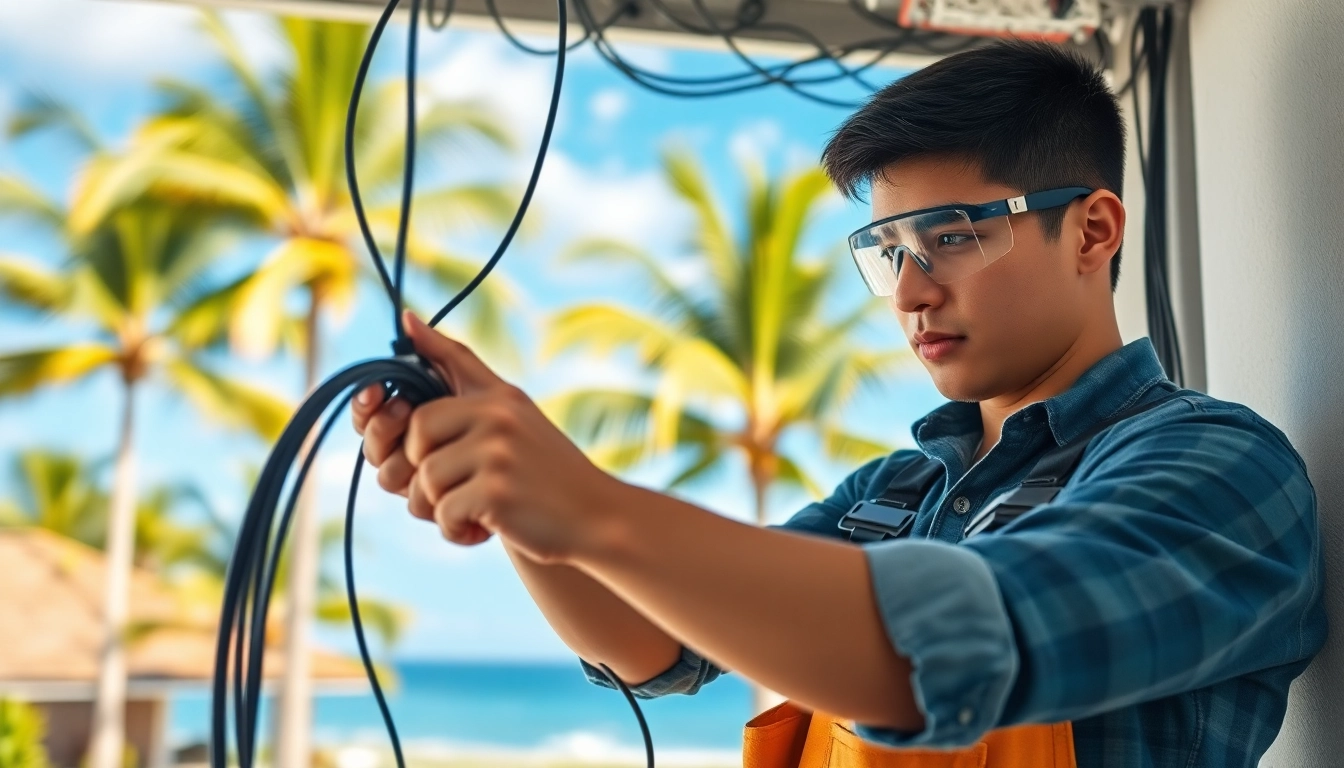
Understanding Electrician Apprenticeships in Hawaii
An electrician apprenticeship is a structured training program that combines on-the-job learning with classroom instruction, preparing individuals for a rewarding career in the electrical field. In Hawaii, this training is especially vital due to the unique characteristics of the local electrical code, diverse weather conditions, and specific community needs. For those interested in pursuing a career in this industry, understanding the ins and outs of electrician apprenticeships is essential. With the right guidance and resources, embarking on a journey towards becoming an electrician apprentice in Hawaii can be both fulfilling and profitable.
What is an Electrician Apprenticeship?
An electrician apprenticeship is a formalized training program designed to train individuals in the electrical trade. It typically lasts about four years and includes a combination of hands-on experience and theoretical knowledge. This program helps apprentices to learn practical skills, such as wiring homes, troubleshooting electrical issues, and understanding blueprints. In Hawaii, specific agencies oversee these apprenticeships to ensure they meet local and federal regulations.
Benefits of Becoming an Electrician Apprentice
Choosing to become an electrician apprentice offers numerous advantages:
- Financial stability: Electricians often earn competitive wages, with opportunities for growth and advancement.
- Job security: The demand for skilled electricians is consistently high, especially in Hawaii, where infrastructure demands are growing.
- Hands-on experience: Apprentices get to apply their learning in real-world environments, enhancing their skills and marketability.
- Professional networking: Apprenticeships often lead to valuable connections within the industry, facilitating future employment opportunities.
What to Expect in Hawaii's Apprenticeship Programs
In Hawaii, electrician apprentices can expect a rigorous training regimen that incorporates both theory and practical experience. Apprentices learn regulations specific to Hawaii, including safety codes and electrical standards. They will likely rotate through different electrical specialties such as residential wiring, commercial installations, and maintenance to gain a well-rounded skill set.
Requirements for Electrician Apprenticeships in Hawaii
Basic Qualifications for Applicants
The qualifications for applying to an electrician apprenticeship in Hawaii generally include:
- Being at least 18 years of age.
- Having a high school diploma or equivalent.
- Possessing a valid driver's license.
- Passing a background check.
Necessary Skills and Competencies
Apprentices should ideally possess certain skills and competencies before applying:
- Basic mathematical skills: Essential for measuring and calculating electrical loads.
- Problem-solving skills: Electricians often face unexpected challenges that require quick thinking and creative solutions.
- Physical stamina: The job often involves lifting heavy objects and working in various environments.
- Communication skills: Essential for working collaboratively with team members and understanding client needs.
Documentation and Enrollment Processes
To enroll in an electrician apprenticeship program, prospective candidates will need to complete several steps:
- Gather required documents, such as proof of education and identification.
- Complete the apprenticeship application form, often found on the website of local training organizations.
- Submit applications to multiple programs to increase chances of acceptance.
- Participate in interviews or assessments as required by the apprenticeship provider.
Finding Electrician Apprenticeship Opportunities in Hawaii
Top Companies Offering Apprenticeships
Several reputable companies in Hawaii offer electrician apprenticeships. These include:
- Hawaiian Electric Company
- IBEW Local 1186
- Hawaii Electricians Training Fund
- Various private contractors throughout the islands
Using Online Resources and Networking
Utilizing online job boards such as electrician apprenticeship hawaii and recruiting websites like Indeed can be effective in finding apprenticeship programs. Networking through local trade shows, community college events, and industry meet-ups can also provide valuable contacts and job leads.
Leveraging Hawaii's Electricians Training Fund
The Hawaii Electricians Training Fund supports a range of educational programs for electrical apprentices. This fund provides information about recruitment periods, application deadlines, and various training opportunities available statewide. Interested applicants should regularly check this resource for updates on new apprenticeship opportunities.
Training and Education Components
Classroom Learning vs. Hands-On Experience
Electrician apprenticeships blend classroom learning with hands-on experience. The theoretical component typically covers electrical theory, safety protocols, and local electrical codes, while practical experience involves supervised tasks such as installation and troubleshooting in real job sites. This dual approach ensures that apprentices are well-prepared for the demands of the workplace.
Curriculum Overview for Electrician Apprentices
The curriculum for electrician apprenticeships in Hawaii generally includes:
- Electrical theory and basic principles
- Blueprint reading and plan interpretation
- Understanding wiring systems and components
- Safety standards and practices
- Hands-on application of skills in various settings, such as residential, commercial, and industrial
Continuing Education and Certifications
After completing an apprenticeship, ongoing education is crucial for electricians to stay updated on codes and technologies. Many choose to pursue additional certifications, such as specialized electrical installations or advanced safety protocols, which can enhance their employability and earning potential.
Career Outlook and Salary Expectations
Job Market for Electricians in Hawaii
The job market for electricians in Hawaii is promising, driven by continuous growth in the construction and renewable energy sectors. Government initiatives aimed at improving infrastructure and increasing sustainability create additional demand for skilled electricians capable of working with advanced electrical systems.
Average Salaries and Advancement Opportunities
As of recent data, electricians in Hawaii earn competitive salaries that range based on experience, certifications, and location. Entry-level electricians can expect average salaries starting around $39,500, with experienced electricians making upwards of $75,000 annually. The potential for career advancement into supervisory roles or specialized fields enhances overall job satisfaction and earnings.
Success Stories from Electricians in Hawaii
Many case studies highlight successful electricians who began their careers as apprentices in Hawaii. They emphasize the importance of mentorship in the early stages and the transformative impact of hands-on training. Their stories serve as powerful motivation for aspiring electricians, showcasing the potential for a rewarding career marked by continuous learning and advancement.