Understanding Land Irrigation Basics
What is Land Irrigation?
Land irrigation is defined as the artificial application of water to soil or land to assist in the growth of crops. This process is vital for agricultural productivity, particularly in regions where rainfall is insufficient or irregular. By supplying water directly to the root zones of plants, land irrigation enhances growth rates and crop yields, ensures food security, and supports the sustainability of agricultural practices. It plays an essential role in various farming systems around the world, from small-scale family farms to large industrial agriculture.
Importance of Land Irrigation
The importance of land irrigation cannot be overstated. It effectively mitigates the consequences of unpredictable weather patterns and droughts, contributing to a stable food supply. With the global population on the rise, the demand for food and agricultural products is increasing exponentially. As a result, effective land irrigation strategies help optimize water use in farming, thereby conserving resources and reducing competition for water resources among sectors.
Furthermore, proper land irrigation systems can improve soil health, sustain ecosystems, and lead to increased economic viability for farming communities. Effective irrigation techniques can also enhance land productivity, allowing farmers to grow higher-value crops that may not survive in arid conditions without supplemental water.
History of Land Irrigation Techniques
The history of land irrigation stretches back thousands of years, beginning with ancient civilizations that developed rudimentary techniques to divert rivers and collect rainwater. The Egyptians, for instance, built systems that utilized the annual Nile floods, while the ancient Mesopotamians created complex networks of canals.
Over time, these early techniques evolved into modern practices, which incorporate advanced technologies such as pumps, sensors, and computer monitoring systems. Historical advancements, from the development of gravity-fed systems to the adoption of pressurized systems, have laid the groundwork for contemporary irrigation practices that prioritize efficiency and resource conservation.
Types of Land Irrigation Methods
Surface and Subsurface Irrigation
Surface irrigation is a traditional method where water is applied directly to the soil surface, using gravity to distribute it. This technique is effective for various crops and is relatively low-cost. However, it may lead to water runoff if not properly managed. On the other hand, subsurface irrigation involves placing tubes or pipes beneath the soil, delivering water directly to the root zones. This method minimizes evaporation and improves water-use efficiency, making it ideal for areas with limited water supply.
Drip Irrigation Systems
Drip irrigation systems are one of the most efficient methods for delivering water to crops. Water is applied slowly and directly to the root zone through a network of tubing and emitters. This system reduces waste by minimizing evaporation and runoff, making it an environmentally friendly choice. Drip irrigation is particularly beneficial for high-value crops in arid regions. With proper management, it can lead to significant water savings while improving crop yields and quality.
Sprinkler Systems and Their Advantages
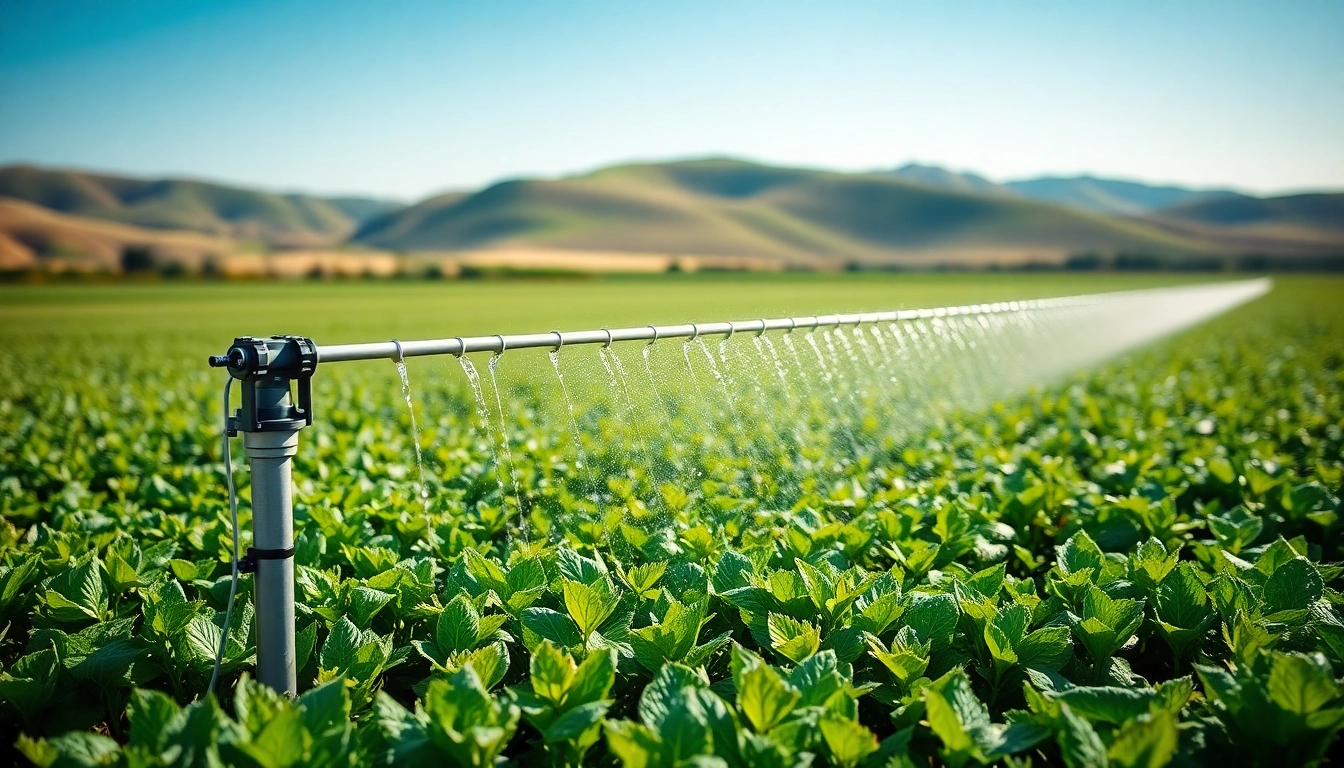
Sprinkler irrigation simulates natural rainfall by distributing water through a system of pipes and spray heads. This method can cover large areas and is versatile, making it suitable for various terrains and crops. Advantages of sprinkler systems include uniform water application, reduced weed growth, and the ability to irrigate fields with varying crop types. They can also be automated and managed using modern technology, allowing for precise control over water delivery.
Choosing the Right Land Irrigation System
Factors to Consider When Selecting a System
Choosing the right land irrigation system involves assessing multiple factors, such as the availability of water resources, soil type, crop requirements, and local climate conditions. Economic considerations, rights to water use, and maintenance costs should also be taken into account. It’s crucial to align the selection process with long-term goals for crop production and water conservation.
Crop Types and Water Requirements
Different crops have varying water needs. For instance, high-yielding crops like rice require more water compared to drought-resistant crops like sorghum. Understanding the specific water requirements for each crop helps in determining the most effective irrigation system to employ. Crop rotation practices should also be considered, as transitioning between water-sensitive and drought-tolerant crops could influence irrigation strategy.
Assessing Soil Conditions and Topography
The physical characteristics of the land, such as soil texture, permeability, and slope, play a significant role in the selection of an irrigation system. Sandy soils, for example, require more frequent irrigation due to rapid drainage, whereas clayey soils retain moisture longer. Topography influences water flow and accessibility; hence, a thorough assessment will help optimize water distribution and avoid runoff or waterlogging.
Maintaining Efficient Land Irrigation
Monitoring Soil Moisture Levels
Regular monitoring of soil moisture is critical to ensure optimal irrigation practices. By using sensors or soil moisture gauges, farmers can make informed decisions about when and how much water to apply. This practice not only conserves water but also enhances crop health, reducing the risk of disease associated with overwatering.
Preventing Water Waste in Irrigation Practices
Efficient irrigation practices are vital in preventing water waste. Techniques such as scheduling irrigation based on weather forecasts, using well-designed irrigation systems, and investing in technology can contribute significantly to reducing water loss. Education and training on best practices for land irrigation can further empower farmers to adopt sustainable water use methods.
Regular System Maintenance Procedures
Regular maintenance of irrigation systems ensures their efficiency and longevity. This includes checking for leaks, cleaning emitters and filters in drip systems, and ensuring that sprinkler heads are functioning properly. Preventative maintenance can address issues before they become costly problems and can significantly increase the system's operational lifespan.
Future Trends in Land Irrigation
Advancements in Irrigation Technology
The future of land irrigation is closely linked to technological advancements that enhance efficiency and effectiveness. Innovations such as automated irrigation systems, which can be controlled remotely, and moisture-sensing technology allow for precise water application. Additionally, data analytics can optimize irrigation schedules based on real-time weather data and soil conditions, reducing water usage and improving crop yield.
Impact of Climate Change on Irrigation Practices
Climate change poses significant challenges to traditional land irrigation practices. Altered precipitation patterns, increased evaporation, and extreme weather events necessitate adaptive strategies. Farmers must be prepared to adopt more efficient systems that utilize less water and can cope with unpredictable climate changes, ensuring crop resilience and long-term viability.
Implementing Sustainable Land Irrigation Solutions
The shift towards sustainable land irrigation solutions is essential in addressing global water scarcity and environmental concerns. Practices such as rainwater harvesting, the reuse of treated wastewater, and the implementation of integrated water management strategies are gaining traction. By focusing on sustainability, farmers can maintain productivity while protecting vital water resources for future generations.
FAQs
What is land irrigation?
Land irrigation is the artificial application of water to soil or land to assist in the growth of crops.
How do I choose the right land irrigation method?
Consider crop types, soil conditions, water availability, and sustainability practices to select your irrigation method.
What are the benefits of drip irrigation?
Drip irrigation minimizes water waste, delivers water directly to the plant roots, and reduces weed growth.
How can I maintain my land irrigation system?
Regularly monitor soil moisture, check for leaks, and ensure that all components are functioning properly for efficient maintenance.
What new technologies are influencing land irrigation?
Advancements include automated irrigation systems, moisture sensors, and data analytics to optimize water use.
For more information on effective land irrigation practices, visit land irrigation.