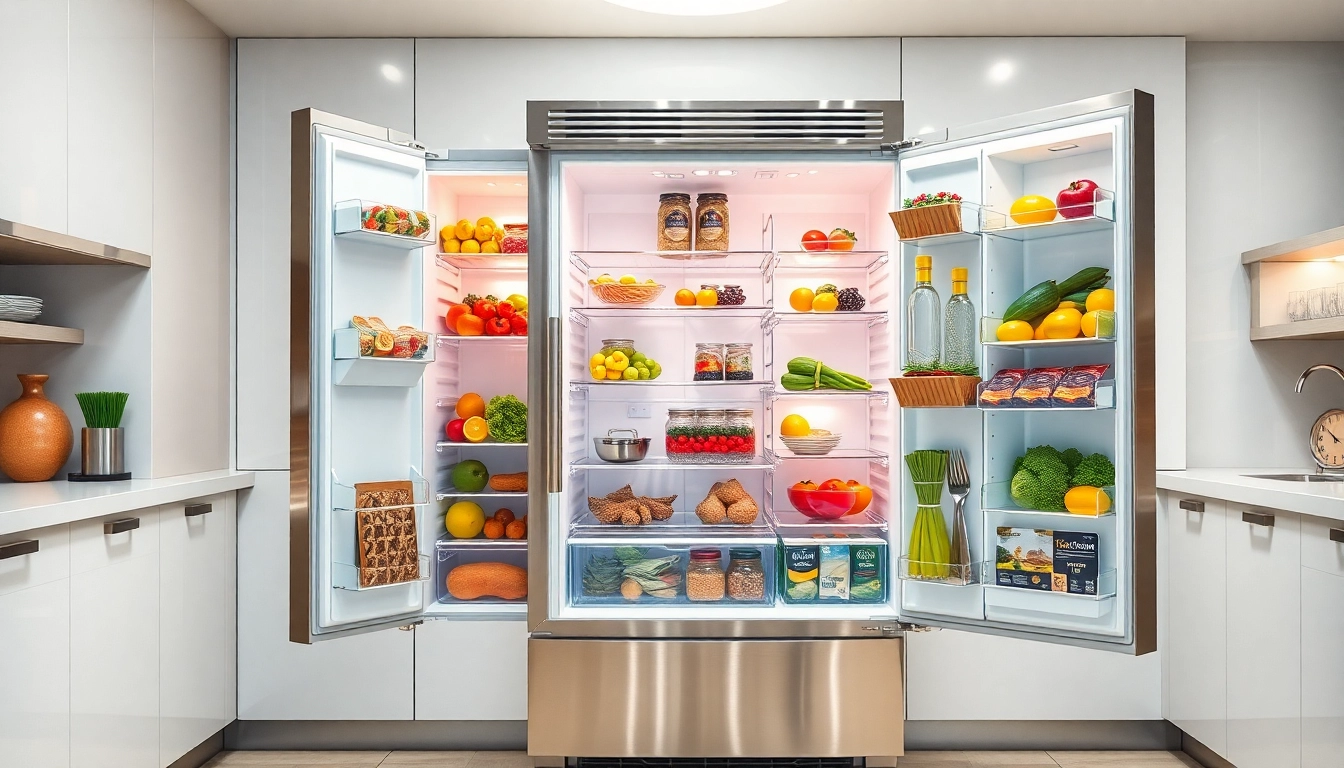
Understanding the Importance of a Good Refrigerator
What Makes a Refrigerator Essential in Homes?
In the modern household, the Refrigerator is more than just an appliance; it's an essential cornerstone of food storage and preservation. Refrigerators play a critical role in maintaining the freshness of food, reducing waste, and ensuring the availability of ingredients for cooking. These appliances allow families to store perishable products like fruits, vegetables, dairy, and meats safely, significantly lowering the risk of foodborne illnesses that can occur when food spoils. Without a reliable refrigerator, our daily routines would be disrupted, meals would become less nutritious, and grocery expenses would increase due to waste.
Energy Efficiency: Why It Matters
Energy efficiency is a key aspect of refrigerator design that impacts not only your utility bills but also the environment. Refrigerators are one of the largest energy consumers in households, and selecting an energy-efficient model can lead to significant savings over time. Energy-efficient models utilize advanced technologies to maintain optimal cooling while consuming less power, contributing to lower carbon footprints. It's important to look for ENERGY STAR ratings as they indicate a product meets energy efficiency guidelines set by the U.S. Environmental Protection Agency.
Choosing the Right Size for Your Needs
The size of your refrigerator should correspond to your household's needs. Families that cook at home frequently may require larger models to accommodate bulk food purchasing, while smaller households or individuals might find compact models sufficient. Additionally, it’s vital to consider the available kitchen space. Proper size selection can enhance kitchen functionality and ensure that your refrigerator meets your storage demands without crowding the space.
Types of Refrigerators: Which One Fits You?
Top Freezer vs. Bottom Freezer Refrigerators
The choice between top freezer and bottom freezer refrigerators primarily revolves around convenience and accessibility. Top freezer models, where the freezer compartment is located above the refrigerator section, offer easy access to everyday items without bending down. They are often more affordable. In contrast, bottom freezer refrigerators position the freezer at the bottom, allowing easy access to the refrigerator section at eye level. This design is particularly beneficial for individuals who frequently use fresh food and have less need for frozen items.
French Door vs. Side-by-Side Models
French door refrigerators are known for their stylish design and spacious dual doors at the top, offering ample fresh food storage and a pull-out freezer drawer. They can fit wider items like pizza boxes easily, making them a popular choice for families. On the other hand, side-by-side models divide the refrigerator and freezer vertically, allowing easy access to both compartments. These are ideal for those with limited kitchen space. The choice depends on your usage pattern and the aesthetic appeal you prefer for your kitchen.
Compact Refrigerators: Space Optimization
Compact refrigerators are perfect for small spaces such as dorm rooms, offices, or as additional units in homes. They provide a solution for keeping snacks and beverages cool without requiring a full-sized model. The versatility and lower energy consumption of compact refrigerators make them an excellent choice for space optimization. However, buyers must consider their storage capabilities against their intended uses to avoid frequent trips to other storage locations.
Key Features to Consider When Purchasing a Refrigerator
Energy Ratings and Their Impact on Costs
When buying a refrigerator, understanding energy ratings is crucial. While an energy-efficient model may have a higher initial cost, it typically results in lower operating expenses and savings over its lifespan. Appliances with ENERGY STAR labels typically consume 10-50% less energy than standard models. Therefore, calculating the long-term savings associated with energy-efficient refrigerators can significantly influence your purchasing decision.
Smart Technology: Is It Worth It?
The introduction of smart refrigerators has brought a new dimension to kitchen convenience. Models equipped with Wi-Fi connectivity allow users to monitor food inventory, receive alerts for temperature irregularities, and even control settings remotely. However, it's essential to weigh the benefits against the potential need for repairs and how much you value technological integration in your daily life. Depending on your cooking habits and preferences, smart refrigerators can either be a worthwhile investment or an unnecessary luxury.
Interior Layout and Storage Options
The interior design of a refrigerator significantly influences its usability. Look for adjustable shelves, door bins, and customizable compartments that enhance organization. A well-structured interior layout facilitates easy access to items, minimizes waste, and keeps the refrigerator running efficiently. Many models now include features like temperature-controlled drawers for specific items, adding to their functionality.
Maintaining Your Refrigerator for Longevity
Cleaning and Care Best Practices
Regular maintenance is crucial for preserving the efficiency and lifespan of your refrigerator. Cleaning the interior and exterior surfaces with a mild detergent helps keep it free of germs and odors. Additionally, regularly vacuuming the condenser coils and checking door seals can prevent energy waste and maintain optimal cooling performance. It's advisable to clean the refrigerator every few months to ensure its longevity.
Common Issues and Troubleshooting Tips
Being aware of common refrigerator issues can help prevent costly repairs. Some typical problems include unusual noises, inconsistent temperatures, and leaky water. Most of these issues can be diagnosed by simple troubleshooting. For instance, checking the temperature settings, ensuring proper airflow, and examining the door seals can often resolve the problem. If these steps don't work, consulting the user manual or calling a professional is advisable.
How to Optimize Cooling Efficiency
Optimizing cooling efficiency can be achieved by maintaining the right temperature settings (37°F for the fridge and 0°F for the freezer) and ensuring the condenser coils are clean. Additionally, organizing food items to facilitate proper air circulation and keeping the refrigerator fully stocked (without overloading it) can significantly enhance its cooling efficiency. Regularly monitoring these aspects can lead to reduced energy consumption and increased performance.
FAQs About Refrigerators
What is the average lifespan of a refrigerator?
The average lifespan of a refrigerator is typically between 10 to 20 years, depending on usage, maintenance, and build quality. Regular servicing can extend its operational life.
How can I reduce energy consumption of my refrigerator?
To reduce energy consumption, keep the temperature settings optimal, maintain cleanliness, organize food for air circulation, and ensure door seals are intact. Regular maintenance helps too.
What features make a refrigerator more efficient?
Efficient refrigerators often have ENERGY STAR ratings, smart temperature controls, variable speed compressors, and features that optimize airflow and cooling such as multi-zone cooling systems.
How often should I clean my refrigerator?
It's recommended to clean your refrigerator every three months. This includes interior cleaning and checking condenser coils to ensure it operates efficiently and hygienically.
Can a refrigerator help preserve food better?
Yes, a quality refrigerator maintains optimal temperature and humidity levels, essential for food preservation. Proper storage conditions significantly extend the freshness and lifespan of food items.