Understanding Metal Roofing: Types and Benefits
Overview of Metal Roofing Materials
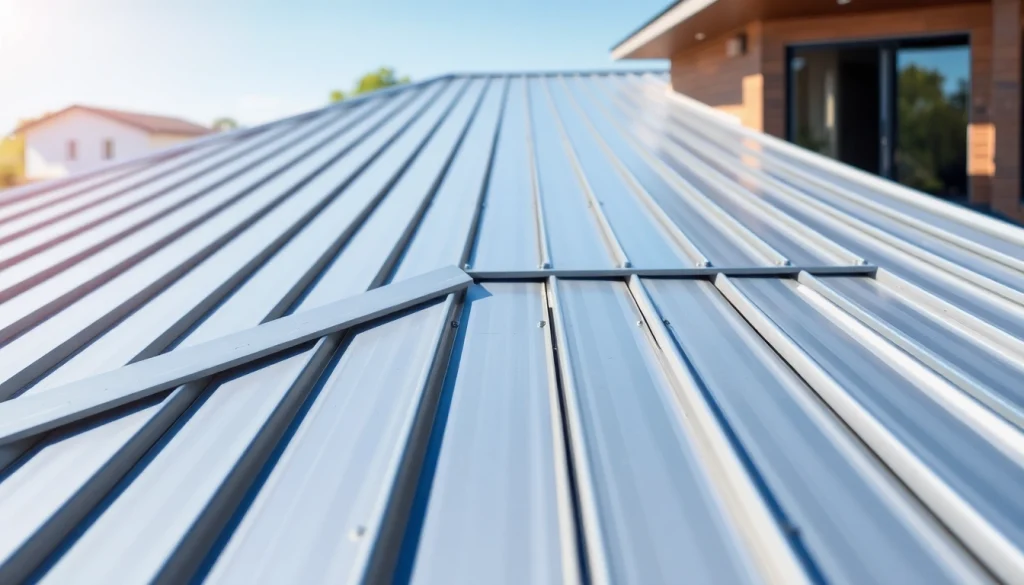
Metal roofing has gained immense popularity for both residential and commercial buildings due to its durability, aesthetic appeal, and energy efficiency. The primary materials used in metal roofing include steel, aluminum, copper, and zinc, each offering distinct advantages. Steel, often galvanized or coated with zinc to prevent rusting, is the most common choice, providing a versatile and cost-effective option. Aluminum is lightweight and resistant to corrosion, making it ideal for coastal regions. Copper, while more expensive, adds a unique character and elegance, developing a beautiful patina over time. Zinc is also gaining traction for its longevity and self-healing properties, albeit at a higher cost. Understanding these materials is crucial before engaging metal roofing companies for installation.
Advantages of Choosing Metal Roofing
Choosing metal roofing offers numerous advantages. First, its longevity is remarkable; most metal roofs can last 40 years or more with proper maintenance. They are also highly resistant to extreme weather conditions, including high winds, hail, and heavy snowfall. Additionally, metal roofs reflect solar radiant heat, reducing cooling costs by up to 25% in warm climates. Moreover, they are eco-friendly, often made from recycled materials and fully recyclable at the end of their life cycle. Their lightweight nature means they can be installed over existing roofs, providing a hassle-free upgrade without the need for a complete tear-off. Lastly, metal roofing is aesthetically versatile, available in a wide variety of styles, colors, and finishes to complement any home design.
Key Considerations Before Installation
Before installing metal roofing, several key considerations should be taken into account. Firstly, it's essential to evaluate local building codes and homeowner association guidelines, which may dictate specific materials or colors. Additionally, the roof's slope plays a crucial role in determining the type of metal roofing suitable for installation; steeper roofs generally perform better in shedding water and snow. Cost is another significant factor, as while metal roofing may have a higher initial price, its long-term savings should be factored in. Furthermore, it's critical to assess the quality of the installation process itself—a poor installation can lead to issues that outweigh the material's benefits. Engaging professional, reputable metal roofing companies can help mitigate these risks.
Selecting the Right Metal Roofing Companies
Factors to Evaluate When Comparing Companies
When selecting metal roofing companies, consider several factors to ensure you make a well-informed decision. Start by examining the company's experience in metal roofing; companies with a solid track record are likely to provide better quality work. Compare warranties offered; a reputable company should offer extensive coverage on both materials and workmanship. Licensing and insurance are also crucial; verify that the company is licensed in your area and carries liability and workers' compensation insurance to protect you from potential liabilities. Finally, request a portfolio of past work to visually assess their capabilities and the quality of their craftsmanship.
Importance of Reading Customer Reviews
Customer reviews offer invaluable insights when selecting a metal roofing company. They provide real-life stories and experiences regarding the company’s workmanship, reliability, and customer service. Look for companies with consistent positive feedback, especially regarding specific attributes like timely installation, quality of materials, and responsiveness to concerns. Platforms such as Google, Yelp, and Angie's List can be excellent resources for gathering customer testimonials. Additionally, seek reviews from forums and social media, where users might share more candid and detailed opinions on their experiences.
Questions to Ask Your Potential Contractor
Asking the right questions can help you gauge whether a contractor is suitable for your roofing project. Inquire about their experience specifically with metal roofing and how many installations they have completed. It’s also vital to understand their process for handling unexpected issues, such as changes in material costs or hidden structural problems revealed during installation. Don’t hesitate to ask about their crew; understanding who will be working on your property and their experience level is critical. Finally, clear timelines and deadlines should be established to ensure you are aware of the project’s length and any potential delays.
Installation Process of Metal Roofing
Step-by-Step Overview of Metal Roof Installation
The installation of metal roofing involves several critical steps. Initially, the roof's surface is assessed and prepped, including repairs to any underlying structures to ensure a stable base for the new roof. Next, the underlayment is installed, serving as a moisture barrier to protect the roof decking. Once prepared, the metal panels are laid out and cut to size, usually starting from the edge of the roof moving upwards. Fastening methods vary, with options like screws or clips depending on the type of metal roofing chosen. The installation culminates with the addition of flashings, edges, and trim to ensure waterproofing and a polished finish. Proper ventilation is also essential and should be considered during the installation process.
Common Challenges During Installation
Metal roofing installation can present various challenges. Weather conditions are a significant concern; rain or high winds can delay the project and affect the performance of the installed materials. Hidden roof damage is often discovered during installation, requiring additional repair work. Another challenge is the learning curve for installers adept at other roofing materials but inexperienced with metal. This highlights the importance of hiring qualified professionals who specialize in metal roofing to navigate such challenges effectively. Furthermore, scheduling conflicts with subcontractors, such as electricians for roof-mounted systems, can impact project timelines.
Best Practices for a Successful Installation
To ensure a successful metal roofing installation, certain best practices should be followed. Start with thorough planning, including setting a clear timeline and budget while communicating effectively with your contractor. Ensure high-quality materials are sourced from reputable suppliers, as this impacts both longevity and appearance. Training and skill verification of the workforce should also be prioritized to avoid mistakes during installation. Don’t overlook the importance of proper ventilation and insulation work, as these significantly contribute to the overall energy efficiency of your home. Lastly, schedule regular inspections during and after installation to ensure adherence to standards and address any potential issues early.
Maintenance Tips for Metal Roofing
Routine Inspections and Care
Routine inspections are essential to maintaining the integrity of a metal roof. Observing the roof twice a year, particularly before and after severe weather conditions, can help identify and address issues early, such as loose screws, rust spots, or deteriorated sealants. Trim overhanging branches to prevent damage from falling debris, and ensure gutters and downspouts are free from blockages to allow optimal drainage. These preventive measures can extend the roof’s life and maintain its efficiency.
Preventative Measures Against Damage
To further protect your metal roof, implement preventative measures. Applying a protective coating can enhance resistance against corrosion and environmental damage. If living in a snowy area, consider a roof safety system that allows for controlled snow release, preventing ice dams. Further, avoid walking on the roof unless necessary, as excessive foot traffic can lead to scratches and dents that may compromise its protective layer. Furthermore, conduct a thorough inspection after severe weather to catch any storm-related damage promptly.
Cleaning and Maintenance Best Practices
Regular cleaning is vital for metal roofing maintenance. Use a gentle mix of water and a mild detergent to wash away dirt, debris, and mildew, keeping the roof looking fresh and preventing oxidation. Ensure to use a soft-bristle brush or a cloth to avoid scratching the surface. Avoid using high-pressure washing systems, which can damage the roofing material and its protective coatings. Additionally, consider professional cleaning services if the roof exhibits persistent or severe staining. Establishing a regular maintenance schedule will help ensure your roof remains in top condition.
Frequently Asked Questions about Metal Roofing Companies
What should I look for in metal roofing companies?
Seek companies with extensive experience, positive customer reviews, and robust warranties. Ensure they hold the necessary licenses and insurance to protect against liabilities.
How long does metal roofing last?
Metal roofing can last 40 years or more with proper maintenance, outlasting traditional roofing materials like asphalt shingles.
Are metal roofs energy-efficient?
Yes, metal roofs reflect solar radiant heat, which can lower cooling costs by up to 25%, making them an energy-efficient option.
What warranties should I expect from a company?
Expect material warranties ranging from 20 to 50 years and workmanship warranties that cover installation defects, typically lasting 5 to 20 years.
Is metal roofing suitable for all climates?
Yes, metal roofing is versatile and suitable for many climates, offering excellent performance in hot, cold, and humid conditions, with proper installation.