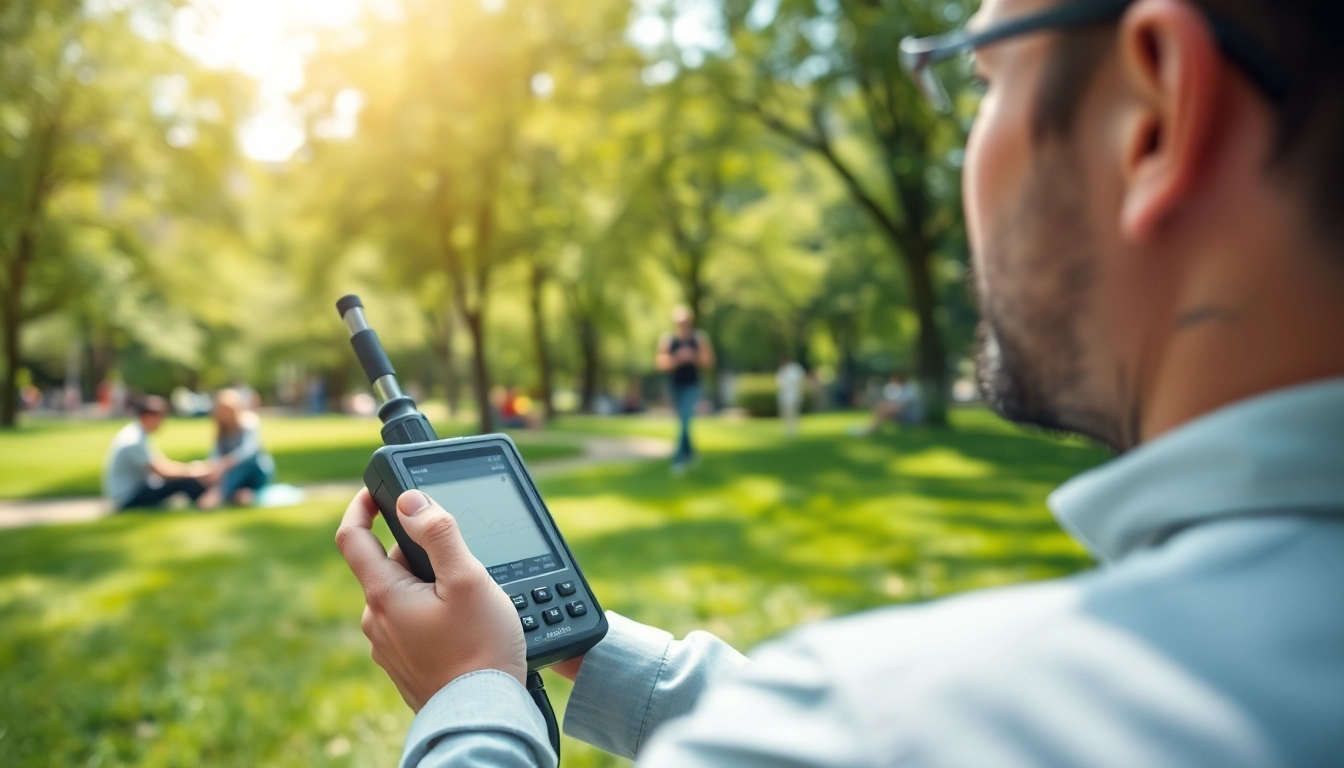
Understanding Noise Impact Assessment
Noise is an omnipresent part of our environment, stemming from various sources such as traffic, construction, and industrial activities. The evaluation of how these noise sources affect surrounding areas and vulnerable populations is known as a noise impact assessment. This comprehensive examination is crucial for ensuring that noise pollution does not lead to harmful consequences for individuals or communities. A thorough understanding of noise impact assessments emphasizes their importance, key components, benefits, challenges, and best practices.
Definition of Noise Impact Assessment
A noise impact assessment is a systematic process designed to identify, quantify, and evaluate the effects of noise generated by specific projects or activities on the surrounding environment. This includes measuring noise levels, analyzing the sources of noise, assessing potential impacts on sensitive receptors—including residential areas, schools, and healthcare facilities—and providing recommendations for mitigating adverse effects. The assessment is critical, especially in urban planning and environmental review processes, as it helps guide decision-makers in minimizing noise-related disturbances and ensuring community harmony.
Importance of Noise Impact Assessment
Noise impact assessments serve multiple essential functions. They are primarily important for:
- Regulatory compliance: Many municipalities and countries require noise assessments for development projects to comply with local, state, or federal regulations.
- Community protection: They ensure the well-being of residents by identifying potential noise disturbances early in the planning process.
- Informed decision-making: Assessments provide valuable data and insights that help stakeholders make informed choices, balancing development needs with community interests.
Key Components of Noise Impact Assessment
A comprehensive noise impact assessment typically encompasses several key components:
- Noise baseline study: Establishing existing noise levels in the area prior to any project implementation.
- Noise source identification: Analyzing specific noise sources, such as traffic, machinery, or community activities.
- Impact evaluation: Assessing the potential impacts of identified noise sources on nearby receptors.
- Mitigation strategies: Proposing solutions to minimize expected noise impacts, including engineering controls, operational practices, or community engagement.
Benefits of Conducting a Noise Impact Assessment
The execution of a noise impact assessment yields numerous benefits for stakeholders, communities, and the environment.
Environmental Protection
Noise pollution can disrupt ecosystems, affect wildlife behavior, and degrade habitats. By identifying the potential adverse impacts of noise on ecosystems, organizations and planners can implement preventive measures. Through effective mitigation strategies, such as implementing sound barriers or rerouting traffic, wildlife and natural environments can be preserved, contributing to overall environmental health.
Community Health Implications
Noise has been linked to a variety of negative health outcomes for residents, such as sleep disturbance, stress, and cardiovascular issues. A noise impact assessment enables decision-makers to proactively mitigate these health risks through informed planning. By taking appropriate steps—like scheduling construction activities during less disruptive hours or incorporating noise-reducing materials into building design—planners can foster healthier community environments.
Regulatory Compliance
Compliance with noise regulations is essential for obtaining permits and ensuring project approvals. Evaluating potential noise impacts through a detailed assessment increases the likelihood of meeting regulatory standards, preventing costly delays or modifications later in the project cycle. By demonstrating commitment to public health and environmental stewardship, organizations can more effectively engage with local authorities and communities.
Common Challenges in Noise Impact Assessment
Data Collection Difficulties
Accurate noise assessments rely heavily on robust data collection methodologies. Challenges such as environmental factors (like weather conditions), equipment malfunctions, and insufficient sampling locations can affect data quality. To overcome these challenges, practitioners can employ advanced measurement technologies, such as mobile noise monitoring systems, and ensure thorough pre-assessment planning.
Stakeholder Engagement
Engaging stakeholders is essential to a successful noise impact assessment, but it can be difficult due to varying interests and viewpoints. To foster effective communication, assessors can develop transparent engagement strategies that inform and involve stakeholders from the outset. Facilitating public forums, outreach programs, or informative workshops can help minimize opposition and create a collaborative environment.
Adapting to Local Regulations
Different jurisdictions may have varying regulations governing noise levels and assessments. Staying updated with local regulations and adapting assessment methodologies accordingly can be challenging for practitioners. To navigate this complexity, professionals should remain connected with local authorities, attend relevant training or workshops, and seek collaboration with local experts to ensure compliance and best practices.
Best Practices for Effective Noise Impact Assessment
To enhance the effectiveness and reliability of noise impact assessments, practitioners can implement several best practices.
Utilizing Innovative Measurement Tools
Emerging technologies, such as real-time noise monitoring and geo-spatial analysis, offer innovative solutions that can significantly enhance the accuracy and efficiency of noise assessments. By employing these advanced tools, assessors can gather high-quality, continuous data that enables detailed analysis and allows for immediate insights into changing noise conditions.
Incorporating Local Feedback
Engaging with local residents to gather feedback about their experiences and concerns regarding noise can provide valuable context that quantitative data may not capture. Implementing citizen science programs or surveys helps ensure that the assessments reflect the community's perspective, leading to more relevant and effective outcomes.
Continuous Monitoring and Reporting
Instead of a one-time evaluation, establishing a continuous noise monitoring framework allows for ongoing assessment of noise impacts throughout a project's lifecycle. This can identify emerging issues and support proactive mitigation efforts. Furthermore, transparent reporting to stakeholders and local communities fosters trust and accountability.
Future Trends in Noise Impact Assessment
As the field of noise impact assessment evolves, several emerging trends are shaping its future.
Technological Advances
Technology will play a pivotal role in transforming noise impact assessments. The integration of big data analytics, machine learning tools, and artificial intelligence can enhance noise modeling capabilities and predictive analysis, leading to more precise assessments. Additionally, smartphone applications for community reporting of noise disturbances could empower residents and contribute valuable data for assessments.
Policy Developments
With growing awareness of noise pollution’s impacts, policy frameworks around noise management are evolving. This can lead to stricter regulations and increasing requirements for noise impact assessments in developmental planning. Assessors should be prepared to navigate these changes and advocate for environmentally responsible approaches to noise management.
Community Involvement Strategies
Increasingly, community engagement will become an integral part of the noise impact assessment process. Strategies for strengthening community involvement may include enhanced public participation in decision-making, public demonstrations of anticipated noise impacts, and opportunities for community feedback throughout project development. This can lead to more harmonious outcomes that respect both development needs and community welfare.