
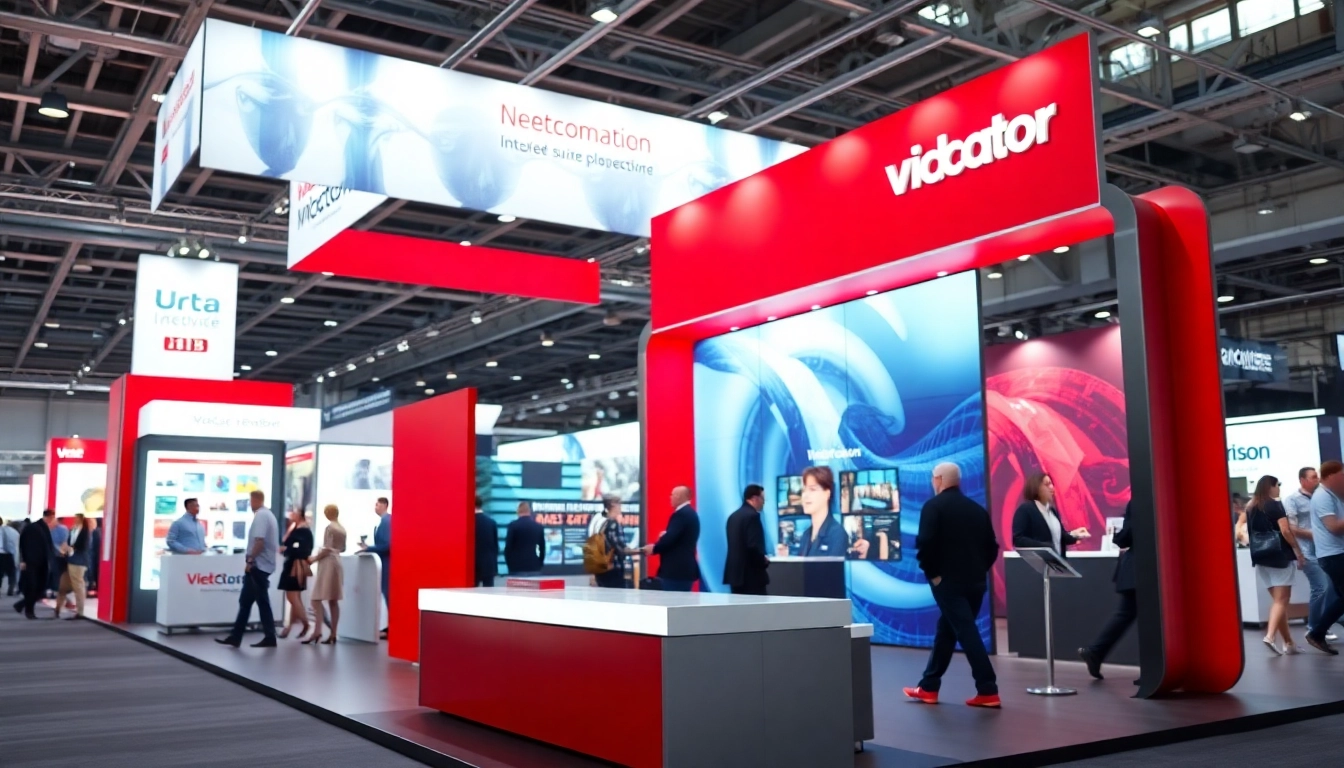
Understanding the Importance of a Trade Show Booth
In the world of business marketing, few avenues are as impactful as participating in trade shows. A well-designed trade show booth serves as the face of a company during these events, attracting attention and engaging potential customers. It is not just a space to showcase products; it is an experience that communicates a brand’s values and offerings in a compelling way. This article will explore the significance of trade show booths, their key features, and various strategies to maximize their effectiveness.
What is a Trade Show Booth?
A trade show booth is a designated space at an exhibition or event where businesses display their products and services. Booths can vary significantly in size, design, and functionality, catering to the specific needs of the exhibitor and the nature of the event. Generally, they encompass elements such as backdrops, display cases, signage, and seating arrangements. Depending on the budget and branding strategy, trade show booths can range from simple table displays to extravagant themed environments that draw substantial foot traffic.
The Role of Trade Show Booths in Marketing
Trade show booths are critical marketing tools that provide businesses with a unique opportunity to engage face-to-face with potential customers. They act as a direct line of communication between a brand and its audience, allowing for immediate feedback and interaction. The primary roles of a trade show booth include:
- Brand Visibility: A well-placed, eye-catching booth can significantly increase a brand’s visibility in a crowded market.
- Lead Generation: Booths serve as ideal locations for collecting leads through sign-ups, business card exchanges, and incentivized interactions.
- Market Research: Engaging with attendees can help businesses gather valuable insights into market trends and customer preferences.
- Networking Opportunities: Trade shows offer a platform to connect with partners, suppliers, and competitors, fostering relationships that can lead to future collaborations.
Key Features of Effective Trade Show Booths
Creating an effective trade show booth requires careful planning and consideration of several factors:
- Strategic Location: The position of a booth can dramatically impact its foot traffic. Selecting a high-traffic area, near entrances or other popular exhibits, is crucial.
- Eye-Catching Design: The visual appeal of a booth can attract more visitors. Creative graphics, vibrant colors, and unique structural designs tend to stand out and create lasting impressions.
- Interactive Elements: Incorporating interactive displays, demonstrations, or technology can engage attendees more effectively than static displays.
- Clear Messaging: Ensuring that the messaging is simple, concise, and aligns with the brand’s identity is essential. Visitors should quickly understand what the company offers.
- Comfortable Space: Providing seating or lounge areas can encourage attendees to spend more time at the booth, increasing the chances of meaningful interactions.
Planning Your Trade Show Booth Layout
Once the importance of a trade show booth is clear, the next step involves meticulous planning of the booth layout to ensure it maximizes engagement and flow. Here are some key aspects to consider:
Choosing the Right Size and Dimensions
The size of a trade show booth can significantly influence both design options and interaction opportunities. Common sizes include 10×10, 10×20, and larger custom configurations. Factors to consider while deciding on size include:
- Event Space: Understanding the available space at the event is crucial. Adequate spacing allows for foot traffic without congestion.
- Business Goals: Larger booths can represent a larger investment and might be necessary for brands looking to make a significant impact.
- Budget: The budget will dictate both size and complexity. It’s essential to balance ambitions with financial reality.
Flow and Navigation Within Your Booth
A seamless flow within the booth is crucial for encouraging attendees to explore and engage. Considerations for effective navigation include:
- Open Design: Avoid overcrowding the space with furniture or displays. An open layout invites visitors and promotes easy movement.
- Clear Pathways: Designing distinct pathways will guide visitors through the different sections of the booth and lead them to key areas such as product displays or demonstration zones.
- Staff Positioning: Positioning staff strategically can encourage interaction without being overwhelming. Staff should be at the forefront to greet visitors but not block pathways.
Utilizing Technology for Engagement
In a digitally dominated world, integrating technology within a trade show booth can enhance visitor engagement. Innovative tech options include:
- Interactive Displays: Touch screens or virtual reality stations can provide immersive brand experiences that digitally savvy audiences crave.
- Live Demos: Using technology for real-time demonstrations can showcase products’ benefits in a captivating manner.
- Social Media Integration: Incorporating social media stations that encourage visitors to engage with the brand online reinforces the connection after the event.
Designing Your Trade Show Booth for Impact
After laying out a functional structure, the next step is to infuse creativity and design thinking into your trade show booth. This stage is vital for producing a memorable experience that resonates with your audience.
Selecting Materials and Finishes
The materials chosen for the booth can significantly affect both longevity and aesthetic appeal. Common choices include:
- Tension Fabric: Lightweight and easy to transport, tension fabric displays offer flexibility in design and are visually striking.
- Modular Systems: These allow for reconfiguration, making them a sustainable option for businesses participating in multiple events.
- Custom Elements: Crafting bespoke displays that align with a brand’s identity, using specific materials and finishes, can enhance brand storytelling.
Color and Branding Considerations
Colors evoke emotions and responses. The choice of color can influence how attendees perceive a brand. Strategies include:
- Brand Colors: Use colors that align with the brand identity to foster recognition and continuity.
- Emotional Appeal: Colors should be selected based on the feelings and responses desired from attendees, such as trust, excitement, or calm.
- Contrast and Visibility: Ensuring the booth’s branding elements stand out against the backdrop will improve visibility from a distance.
Creating an Inviting Atmosphere
Beyond design, the atmosphere of the booth plays a crucial role. A welcoming environment encourages dialogue. Key elements to consider include:
- Lighting: Good lighting can create an inviting ambiance and highlight key products or displays.
- Comfortable Seating: Providing seating can invite visitors to take a break and engage in meaningful conversations.
- Refreshments: Offering light refreshments can attract attendees, making them more likely to engage with staff.
Maximizing Engagement at Your Trade Show Booth
Generating interest and drew attendees to a trade show booth is pivotal to success. Comprehensive strategies before and during the event can dramatically improve engagement.
Pre-show Marketing and Invitations
Before the event, reaching out to potential attendees through marketing efforts can set the stage for a successful turnout. Effective strategies include:
- Email Campaigns: Sending emails to existing and prospective customers can create buzz and inform them of your booth’s offerings.
- Social Media Promotion: Announcing participation in advance on social platforms helps grow anticipation and can drive traffic to the booth.
- Exclusive Offers: Offering special promotions or giveaways for attendees who visit the booth can incentivize visits.
Interactive Elements to Draw in Attendees
Engagement is enhanced through activities and interactive components within the booth. Strategies include:
- Contests and Raffles: Simple quizzes or raffles can create excitement and draw people in to participate.
- Live Demonstrations: Showcasing product functionalities live can pique interest and familiarize attendees with your offerings.
- Virtual Reality Experiences: Offering immersive VR experiences related to your products or services grabs attention and creates memorable encounters.
Effective Follow-up Strategies Post-Event
Success doesn’t end when the trade show wraps up. Following up effectively can lead to new partnerships and customers. Consider these methods:
- Thank-You Emails: Sending personalized thank-you notes to all visitors reinforces relationships and keeps the conversation going.
- Surveys and Feedback: Collecting feedback from visitors can provide insights into the event’s success and areas of improvement for future shows.
- Lead Nurturing Campaigns: Implementing targeted campaigns to follow up with leads gathered during the show keeps your brand top-of-mind.
Measuring Success of Your Trade Show Booth
To determine the success of a trade show booth, setting measurable goals is essential. Evaluating performance can inform future strategies and improve ROI.
Setting Goals and KPIs
Establishing clear objectives before participating in a trade show can simplify measurement accuracy. Common goals include:
- Lead Collection: Setting specific lead generation targets can help quantify success.
- Brand Awareness: Measuring engagement levels through traffic to the booth or inquiries received can indicate awareness levels.
- Sales Conversions: Tracking post-event sales directly attributed to trade show interactions provides a concrete measure of ROI.
Collecting and Analyzing Visitor Feedback
Understanding how visitors perceived the booth and their overall experience can provide actionable insights:
- Surveys: Handing out brief surveys at the booth can yield immediate feedback on what attendees like or dislike.
- Observation: Staff should observe visitor behavior to identify which areas of the booth drew the most interest or engagement.
Assessing ROI from Trade Show Participation
To ensure that the investment in a trade show booth yields valuable returns, a thorough ROI assessment should analyze:
- Cost versus Leads: Evaluating the cost of the booth compared to the number of quality leads generated provides a clear financial picture.
- Long-term Value: Future sales generated from leads collected can also indicate the true value of the investment.
- Brand Presence: Analyzing increased brand recognition and follow-up activities can contribute to assessing overall value beyond immediate sales.

