
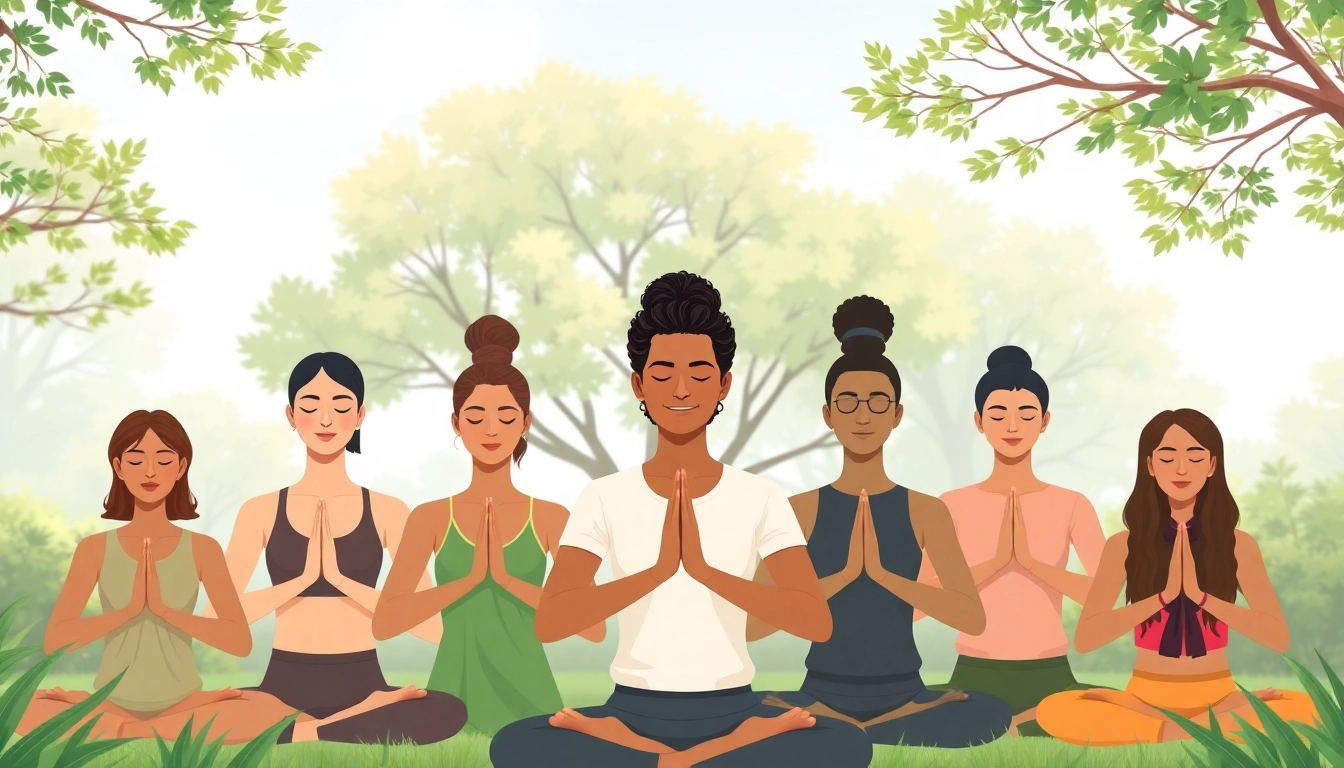
Introduction to Yoga Mudras
Yoga is a holistic practice that extends beyond physical postures and breathing techniques. One of the intriguing aspects of yoga that often goes unnoticed is yoga mudras. These hand gestures, steeped in tradition, serve as powerful tools for enhancing our physical, mental, and spiritual well-being. Understanding yoga mudras opens a new avenue for practitioners to amplify their yoga experience, refine their focus, and cultivate their energy.
Definition and History of Yoga Mudras
A mudra is defined as a symbolic hand gesture or a seal, often used to aid meditation and focus the mind’s energy. The historical roots of mudras trace back to ancient Indian culture, primarily within the context of yoga, Buddhism, and Hinduism. In yogic texts, mudras are often seen as a means of harnessing and directing the life force (prana) in the body. They not only assist in enhancing meditative practices but are also prominent in various forms of art, dance, and rituals across cultures. As practitioners utilize these gestures, they evoke deeper connections not just physiologically but also energetically and spiritually.
How Yoga Mudras Function in Practice
The effectiveness of yoga mudras lies in their ability to influence the flow of energy through the body. Each gesture connects to specific energy channels and can lead to various effects on the mind and body. For instance, certain mudras can stimulate different areas of the brain or activate particular organs. When practicing these hand gestures alongside asanas (postures) and pranayama (breath work), practitioners often find enhanced emotional and physical benefits. The visual and tactile nature of mudras makes them particularly helpful in achieving mindfulness and tranquility.
Common Misconceptions About Yoga Mudras
Many misconceptions surround the practice of yoga mudras, one of which is that they are merely decorative gestures with no real substance. However, mudras are scientifically acknowledged to influence our body’s state of balance and can aid in pain relief, stress reduction, and overall wellness. Another misconception is that mudras are only for advanced practitioners; in reality, they are accessible and beneficial for everyone, regardless of skill level. Understanding the correct application and context of each mudra can significantly enhance the practice.
Benefits of Practicing Yoga Mudras
Practicing yoga mudras can yield significant benefits across multiple domains—physical, mental, and emotional. By incorporating these hand gestures into your daily routine, you can cultivate a deeper sense of self-awareness and overall well-being.
Mental Clarity and Focus through Yoga Mudras
One of the primary benefits of engaging in yoga mudras is improved mental clarity and concentration. As mudras facilitate the flow of prana, they help practitioners access deeper states of awareness, thereby enhancing mindfulness. For instance, Gyan Mudra, where the tip of the thumb touches the tip of the index finger, is known to enhance wisdom and concentration. Regular practice can train the mind to remain focused on the present moment, leading to improved cognitive functions and a reduction in mental fatigue.
Physical Health Improvements with Yoga Mudras
Yoga mudras have been linked to various physical health improvements as they align the body’s energy systems. They can boost immunity, alleviate physical ailments, and even manage chronic illnesses. For example, Prana Mudra is believed to invigorate the body by activating dormant energy, making it an excellent practice for enhancing vitality and overall health. Scientific studies have begun to validate these claims, showing positive correlations between certain mudras and physiological improvements, such as lower blood pressure and enhanced respiratory function.
Emotional Stability Achieved via Yoga Mudras
The emotional benefits of practicing yoga mudras should not be underestimated. Mudras can provide a pathway to emotional stability, encouraging mindfulness and self-reflection. Techniques such as Apana Mudra assist in grounding and releasing negative emotions, while Shunya Mudra can help alleviate feelings of anxiety and fear. By directing your energy strategically, yoga mudras foster a balanced emotional state, promoting resilience against the pressures and challenges of daily life.
Common Types of Yoga Mudras
While there are numerous yoga mudras, some have gained popularity for their diverse benefits and ease of practice. Below are several notable mudras commonly taught in yoga practices:
Gyan Mudra: Enhancing Knowledge and Wisdom
Gyan Mudra, also known as the gesture of knowledge, is one of the most recognized mudras. It involves placing the thumb and index finger together while the other three fingers remain extended. Practitioners typically use this mudra during meditation to promote mental clarity and focus, fostering an enhanced ability to absorb knowledge. This gesture activates the root chakra, grounding practitioners while stimulating mental activity.
Prana Mudra: Invoking Vitality and Energy
Prana Mudra involves the ring finger and little finger touching the thumb, promoting the flow of energy throughout the body. This mudra is excellent for increasing one’s life force and rejuvenating energy levels. It is often recommended for those feeling fatigued or lethargic, as it helps bolster the immune system and encourages a healthy circulatory system.
Apana Mudra: Promoting Healing and Detoxification
Apana Mudra, created by folding the middle and ring fingers into the palm while keeping the thumb, index finger, and little finger extended, works effectively to stimulate detoxification within the body. This mudra is helpful for digestion and can be utilized during meditation or quiet contemplation to encourage healing and internal cleansing. Practitioners often integrate Apana Mudra into their routines after meals or during detox periods for optimal effects.
How to Incorporate Yoga Mudras into Daily Practice
Integrating yoga mudras into your daily practice is a straightforward yet impactful way to enhance your overall yoga experience. Here are some practical guidelines to help you start with these gestures:
Guidelines for Beginners to Start with Yoga Mudras
For beginners, the key is simplicity and consistency. Start with familiarising yourself with one or two mudras, such as Gyan Mudra or Prana Mudra. These can easily be included in your meditation or during any quiet time throughout the day. Select a comfortable seated position, keep your spine straight, and focus on your breath while practicing the chosen mudra. By spending just a few minutes each day, you can ease into the practice and gradually expand your repertoire of mudras.
Combining Yoga Mudras with Breathing Techniques
The combination of yoga mudras with pranayama techniques amplifies their effects. For example, while performing Gyan Mudra, you can practice deep abdominal breathing to increase mindfulness. Inhale deeply, visualizing energy flowing through your hands as you maintain the mudra. Exhale slowly, allowing any tension to flow out. This connection between breath and gesture creates a powerful synergy, enhancing the benefits of both practices.
Creating a Routine with Yoga Mudras
To cultivate a lasting practice with yoga mudras, develop a routine that incorporates them into your daily activities. Whether you are meditating, practicing asanas, or simply sitting quietly, choose a specific time each day for focus on your mudras. Create a calming environment free from distractions to enhance your practice. Setting intentions can also deepen your experience and help in tracking progress over time, allowing you to witness the positive impacts of the practice.
Advanced Techniques and Resources for Yoga Mudras
Once you become familiar with the basic yoga mudras, there are more advanced practices and lesser-known mudras to explore. Additionally, utilizing resources for further learning can deepen your understanding.
Exploring Lesser-Known Yoga Mudras
While common mudras like Gyan, Prana, and Apana are integral, delving into lesser-known mudras can offer unique benefits. For instance, Vyana Mudra, which engages all five fingers together, is used for harmonizing the body’s circulatory system. Similarly, Shakti Mudra can empower and increase vitality, useful for rejuvenating one’s energetic state. Explore these gestures through personal practice or by attending specialized workshops that provide guidance on their proper use.
Integrating Yoga Mudras into Meditation Practices
Yoga mudras can significantly enhance meditation practices by serving as focal points that anchor the mind and body. Align your chosen mudra with meditation techniques, such as visualization or mantra recitation. For instance, while practicing Shambhavi Mudra (focusing on the third eye with gesture), you can recite affirmations or visualize energy flowing through the body. This enhances the depth of the meditative experience, promoting profound states of awareness and healing.
Recommended Resources for Further Learning
To solidify and expand your understanding of yoga mudras, consider leveraging various resources. Books dedicated to yoga philosophy often provide insights into mudras and their symbolic meanings. Online courses and workshops can also enhance practical knowledge. Engaging with a qualified yoga teacher can guide your practice, ensuring you execute mudras correctly and derive maximum benefits. Moreover, community groups and forums provide platforms for sharing experiences, challenges, and growth in utilizing yoga mudras.


