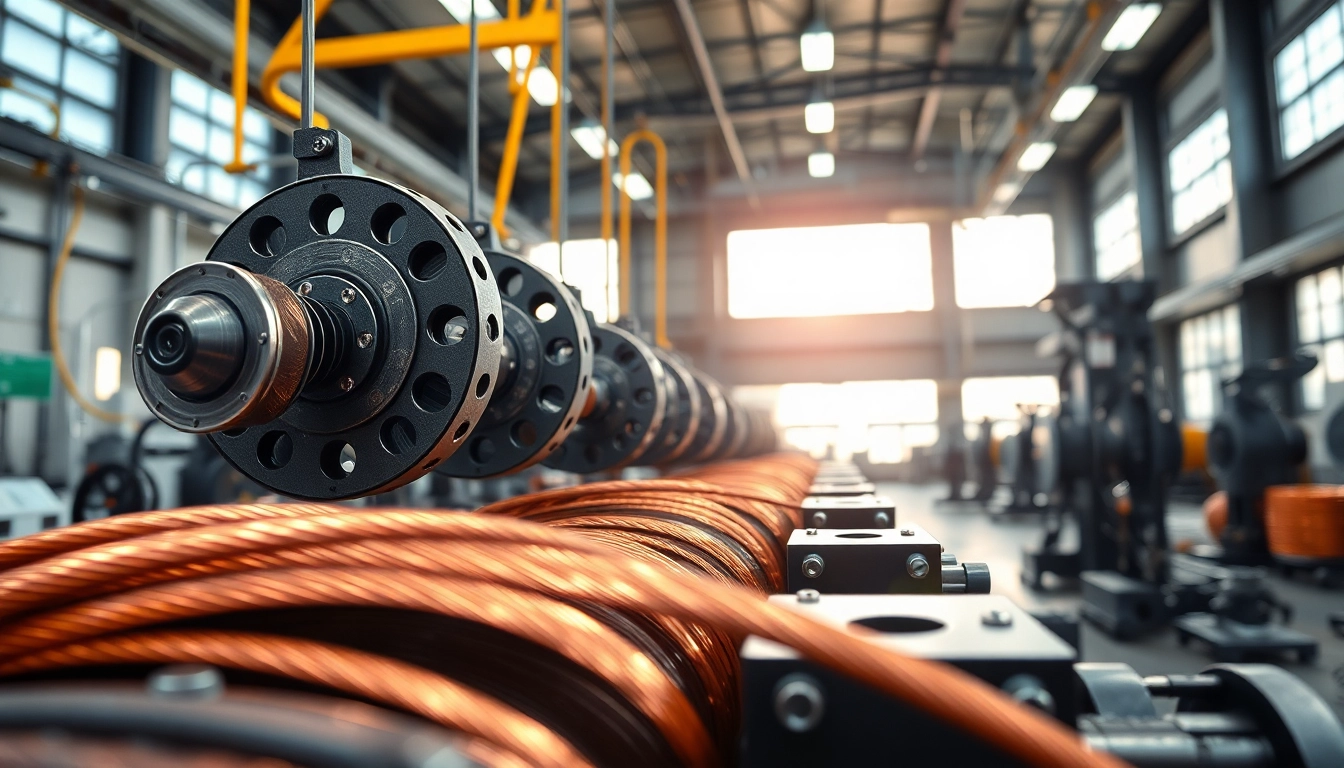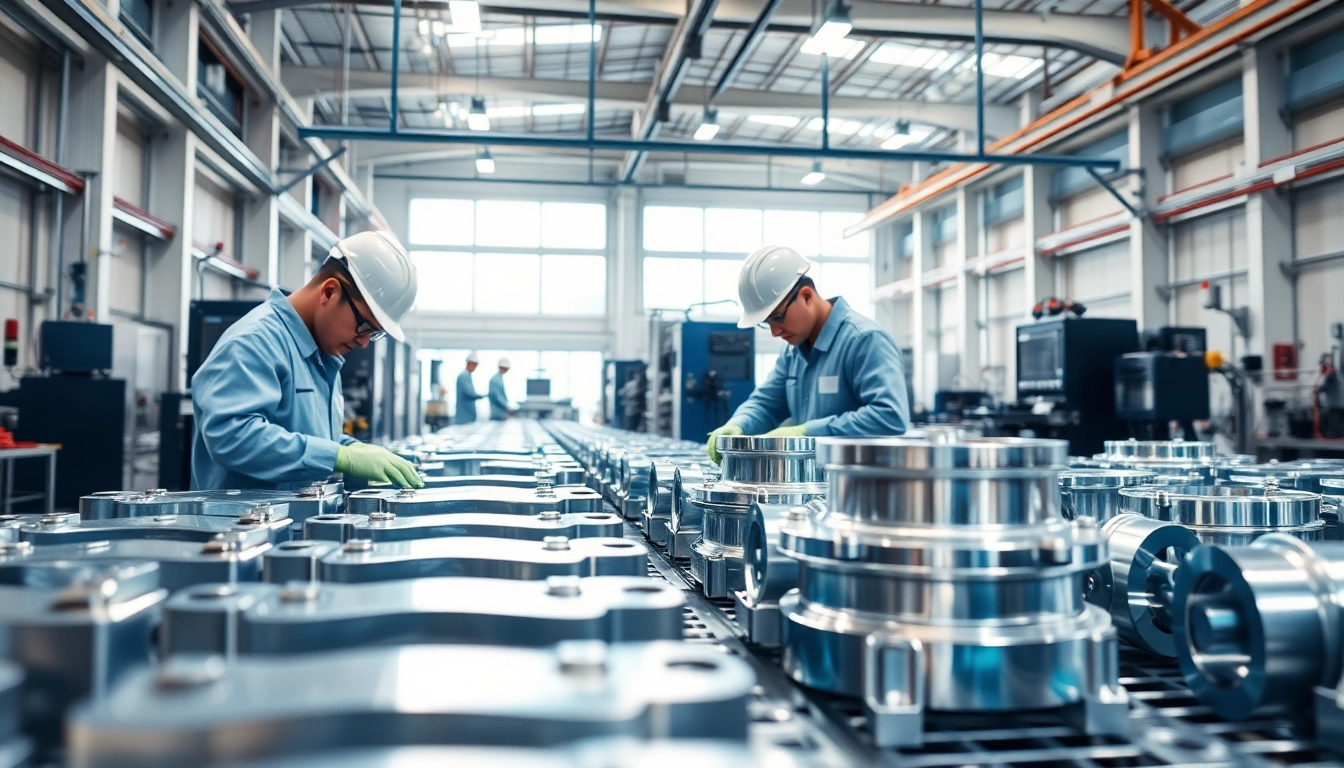
Introduction to Cutting Equipment
In modern industries, the precision and efficiency of production processes hinge significantly on the quality of cutting equipment. This essential machinery is responsible for shaping materials in various ways, ensuring that manufacturers can meet intricate designs and specifications. Whether in construction, automotive, aerospace, or any other sector, understanding cutting equipment is vital for optimizing workflows, ensuring safety, and maintaining product quality.
Understanding Cutting Equipment
Cutting equipment refers to a range of machines and tools designed to cut materials into desired shapes and sizes. These machines vary widely in method, from mechanical saws to advanced laser systems. The choice of cutting equipment can greatly influence the effectiveness of a project, impacting both time and material utilization. Additionally, familiarity with these tools allows professionals to select the right equipment for specific tasks, enhancing productivity and quality.
Importance in Various Industries
The significance of cutting equipment spans across numerous industries. In manufacturing, it plays a critical role in the production line, where materials must frequently be cut to precise dimensions. The construction industry relies heavily on cutting tools for everything from framing to finishing. Similarly, the automotive sector uses specialized cutters for working with metals and composites, while aerospace industries demand even stricter precision to ensure safety and performance.
Common Types of Cutting Equipment
There are various classifications of cutting equipment, which can be broadly categorized based on their operational mechanics. Understanding these types can aid in selecting the right tool for your needs and optimizing workflow. The most prevalent types include:
- Mechanical Cutters
- Laser Cutters
- Plasma Cutters
- Waterjet Cutters
- Electrical Cutters
Types of Cutting Equipment
Laser Cutting Equipment
Laser cutting equipment employs focused light beams to cut materials with extreme precision. This technology is widely used in various industries, including aerospace, automotive, and jewelry manufacturing. Laser cutting offers excellent accuracy and the ability to cut complex designs without needing extensive material preparation. The process is also known for producing minimal waste, as it can cut through materials without leaving significant remnants.
Plasma Cutting Equipment
Plasma cutting equipment utilizes a high-velocity jet of ionized gas (plasma) to cut through electrically conductive materials. This technique is incredibly effective for cutting metals and is commonly used in the automotive and metal fabrication industries. Plasma cutters excel in speed and efficiency, making them suitable for large-scale operations. Moreover, their portability features frequently attract users looking for flexible solutions on construction sites.
Waterjet Cutting Equipment
Waterjet cutting equipment uses a high-pressure stream of water mixed with abrasives to cut materials. This method is ideal for cutting fragile materials, such as glass or delicate composites, without introducing thermal stress, which could lead to warping or cracking. The versatility of waterjet cutters allows them to slice through a vast array of materials, making them a popular choice across industries, including food processing and aerospace.
Selecting the Right Cutting Equipment
Assessing Project Needs
Before selecting cutting equipment, it is crucial to perform a thorough assessment of project requirements. Factors to consider include the type of material being cut, desired precision, cut quality, and volume of production. Knowing the specifics of the project will guide you in making informed choices that align with your operational goals. Assessing both current and future project needs can also help equip your operations with the flexibility to adapt to evolving demands.
Comparing Features and Specifications
When choosing cutting equipment, comparing various features and specifications is essential. Look for factors like cutting speed, power consumption, software compatibility for programming cuts, and ease of maintenance. Additionally, consider the adaptability of the equipment for different materials and thicknesses. Selecting equipment that meets the unique needs of your operations and provides room for growth can significantly extend its lifespan and functional capacity.
Cost Considerations
The cost of cutting equipment varies widely based on technology and capabilities. While initial investment is critical, it is equally important to consider operating costs, maintenance, and potential downtime. A higher upfront cost may be justified by enhanced features, reduced operating costs, or greater efficiency. Conducting a cost-benefit analysis can help businesses make decisions that align financial health with operational needs.
Best Practices for Using Cutting Equipment
Safety Protocols
Ensuring safety when operating cutting equipment cannot be overstated. All operators should receive comprehensive training on the machinery they will be using, including understanding potential hazards. Implementing proper safety protocols, such as wearing appropriate personal protective equipment (PPE) and maintaining a clutter-free workspace, can dramatically reduce the risk of accidents. Regular safety audits and updating protocols as needed are also essential.
Maintenance Tips
Regular maintenance of cutting equipment is crucial for ensuring optimal performance and longevity. Establishing a routine inspection schedule to check for wear and tear is essential. This includes assessing blades and cutting surfaces, lubricating moving parts, and cleaning the equipment to prevent debris accumulation. Keeping records of maintenance activities can help organizations track performance and predict potential failures, leading to more proactive approaches to equipment care.
Maximizing Efficiency
To maximize efficiency when using cutting equipment, optimize the setup process to minimize downtime between cuts. Employee training on best practices for machine operation can enhance speed and quality. Utilize advanced programming tools to plan and execute precise cuts effectively. Collecting and analyzing data on machine performance can also identify inefficiencies and areas for improvement, informing future operational strategies.
Future Trends in Cutting Equipment
Technological Advancements
The landscape of cutting equipment is poised to evolve dramatically in the coming years, driven largely by technological advancement. Innovations such as artificial intelligence and smart technologies are being integrated to enhance automation and precision. These advancements aim to improve operational efficiency, decrease human error, and facilitate real-time monitoring of equipment performance, resulting in streamlined processes and reduced costs.
Environmental Considerations
As industries strive for sustainability, cutting equipment is seeing a shift towards eco-friendly practices. New technologies are emerging to reduce waste, enhance energy efficiency, and minimize the carbon footprint associated with cutting processes. Waterjet technology, for instance, produces fewer hazardous byproducts compared to traditional methods. Incorporating environmentally friendly practices will not only benefit the planet but also enhance company reputation and appeal in an increasingly conscientious market.
Industry Innovations
Continual innovation in the cutting equipment industry introduces more efficient and versatile machines. Recent developments focus on integrating Industry 4.0 principles, enhancing connectivity and data exchange between machines. This creates opportunities for predictive maintenance and more sophisticated operational strategies, providing businesses with a competitive edge. As industries adopt new materials and processes, cutting equipment must also evolve to meet these changing demands.
Frequently Asked Questions
What is cutting equipment?
Cutting equipment refers to tools and machines used to cut materials into specific sizes and shapes. Common types include saws, laser cutters, and waterjet cutters.
How do I choose the right cutting equipment?
Assess project needs, compare features, and consider cost and compatibility with materials to select the most appropriate cutting equipment for your needs.
What industries use cutting equipment?
Cutting equipment is utilized across various industries, including manufacturing, construction, automotive, aerospace, and even food processing.
What are the safety protocols for cutting equipment?
Safety protocols include proper training for operators, wearing PPE, maintaining a tidy workspace, and regularly inspecting equipment for hazards.
How can I maximize efficiency with cutting equipment?
Maximize efficiency by optimizing setup times, training staff, utilizing advanced programming, and analyzing machine performance data for improvements.