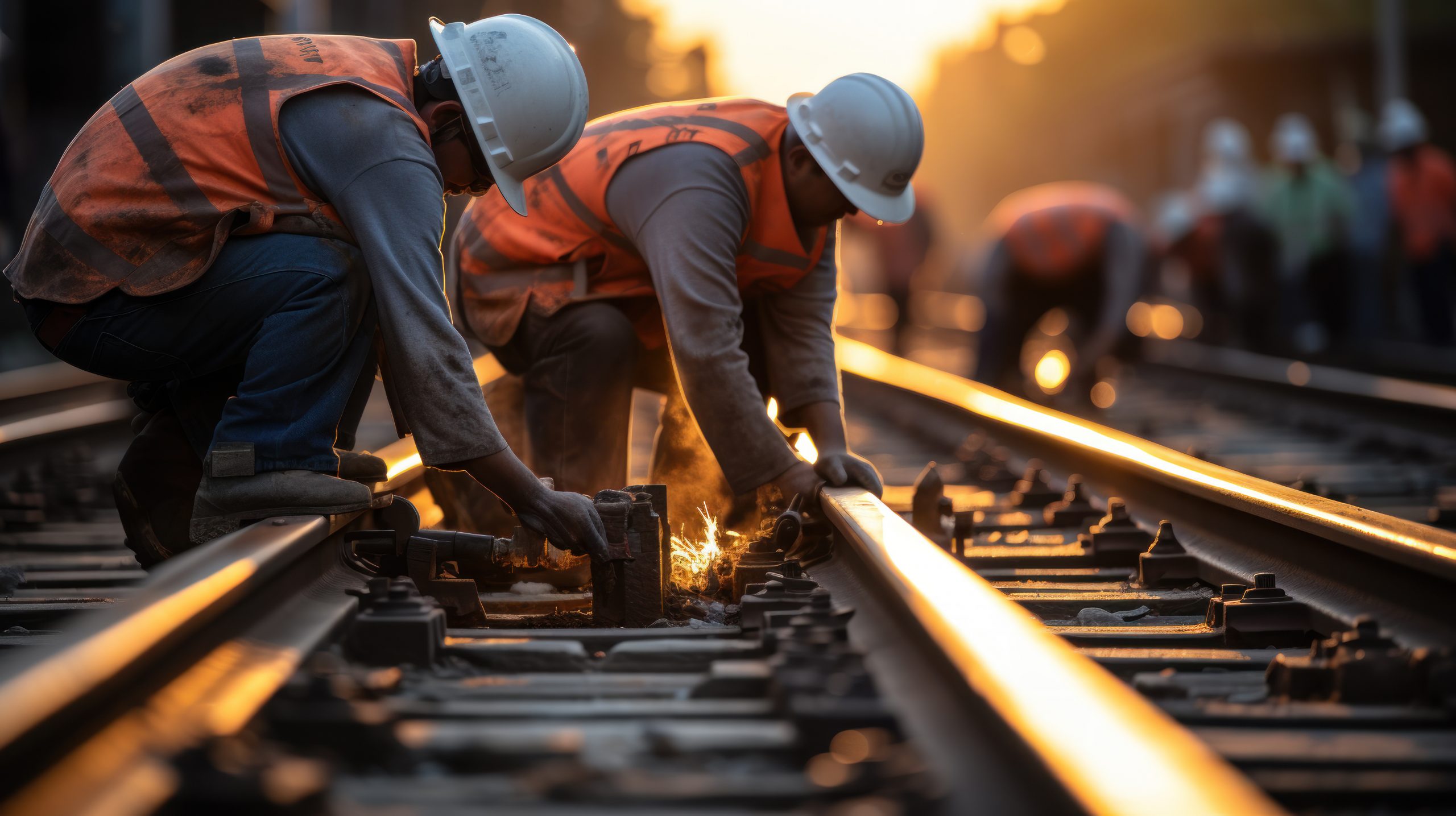

Understanding Railroad Construction
Railroads are a critical component of modern infrastructure, providing essential connections for both freight and passengers. The process of Railroad Construction involves complex planning, engineering, execution, and maintenance to ensure efficiency and safety in train operations. This article delves into the world of railroad construction, exploring its importance, techniques, materials, challenges, and future innovations.
What is Railroad Construction?
Railroad construction encompasses the building and maintaining of railroads, including tracks, bridges, tunnels, and other structures necessary for train operations. It is an essential sector that contributes to the transportation industry’s efficiency, supporting both commercial and public transport systems.
The Importance of Railroad Construction in Infrastructure
Railroads are vital for any economy, as they facilitate the movement of goods and people over long distances. They provide a more sustainable mode of transportation compared to road transport, reducing congestion and greenhouse gas emissions. Railroads also play a critical role in enhancing trade and business, supporting job creation within local communities and beyond.
Common Railroad Construction Techniques
The construction of railroads employs various techniques tailored to different environments and requirements. Key methods include:
- Ballasted Track Construction: This traditional method involves laying rails on a bed of crushed stone (ballast) that provides stability and drainage.
- Concrete Sleeper Technology: Using concrete instead of wooden sleepers increases durability and decreases maintenance needs.
- Pre-fabricated Track Sections: These are constructed off-site and assembled on location to speed up the installation process.
Key Stages of Railroad Construction
Preparation and Planning Phases
Before any physical work begins, comprehensive planning is crucial. This phase entails site surveys, environmental assessments, and design considerations. Engaging with stakeholders, including local governments and communities, ensures compliance with regulations and addresses potential concerns. Planning also includes determining the materials needed, timelines, and budgets.
Execution: Groundwork and Track Laying
Once plans are in place, the execution phase commences with groundwork. This involves clearing the site, excavating for tracks, and laying foundations. Afterward, the tracks are laid, which involves installing rails and sleepers with precision. High-quality equipment and skilled laborers are essential to execute this phase effectively.
Finishing Touches and Safety Measures
After track installation, safety measures are prioritized, which include installing signaling systems and crossing barriers. Testing the track and conducting inspections ensures compliance with safety standards. The final touches may involve landscaping around the rail area for both aesthetic and safety reasons.
Materials Used in Railroad Construction
Types of Rails and Sleepers
Rails are typically made from high-carbon steel for strength and durability. The choice between wooden and concrete sleepers depends on factors like cost, maintenance frequency, and specific project requirements. Concrete sleepers are increasingly popular for their longevity and lower maintenance costs.
Ballast and Its Role in Stability
Ballast, a layer of crushed stone placed under the tracks, plays a critical role in providing stability and drainage. It distributes the weight of the trains and allows for the dissipation of forces acting on the tracks, enhancing overall safety and endurance.
Innovative Materials for Modern Rail Systems
The railroad industry continually explores innovative materials that enhance performance. Examples include composite sleepers that combine durability with lightweight properties and geosynthetic materials designed to improve drainage and reduce maintenance efforts.
Challenges in Railroad Construction
Environmental Impact and Regulations
Environmental considerations are paramount in railroad construction. Projects must comply with various regulations to minimize impacts on wildlife and ecosystems. Conducting thorough environmental assessments and adopting sustainable practices are essential to mitigate these effects.
Weather and Terrain Difficulties
Constructing railroads across diverse terrains presents significant challenges. Weather conditions can delay processes and affect construction quality. Adaptive strategies such as using weather-resistant materials, conducting seasonal planning, and employing specialized machinery help overcome these hurdles.
Managing Project Timelines and Budgets
Effective project management is crucial for keeping timelines and budgets in check. Utilizing project management software, realistic scheduling, and regular progress reviews can help ensure that projects remain on track and within financial constraints.
Future of Railroad Construction
Emerging Technologies in Railroad Construction
The future of railroad construction lies in adopting advanced technologies. Innovations such as automated track laying systems and drones for surveying enhance efficiency and accuracy. Smart technology in train systems promises to optimize operations and safety further.
Sustainable Practices and Innovations
Sustainability in railroad construction is not just a trend; it’s a necessary shift. Incorporating renewable energy sources, eco-friendly materials, and waste recycling processes are ways to create greener projects that minimize environmental impacts.
Opportunities in Railroad Construction Careers
The railroad sector offers numerous career opportunities, from civil engineers to project managers and safety inspectors. As the industry evolves, the demand for skilled professionals adept in modern technologies will continue to rise, creating a vibrant workforce landscape.
FAQs about Railroad Construction
1. What are the stages of railroad construction?
The stages include planning, groundwork, track laying, and safety measures implementation. Each phase involves careful execution to ensure efficiency and safety.
2. What materials are commonly used in railroad construction?
Common materials include high-carbon steel for rails, concrete or wooden sleepers, and crushed stone for ballast to ensure stability and drainage.
3. What are the main challenges faced in railroad construction?
Main challenges include environmental regulations, weather conditions, terrain difficulties, and managing project timelines and budgets effectively.
4. How does technology impact railroad construction today?
New technologies improve efficiency, safety, and precision. Automated systems and drones are increasingly utilized for track laying and surveying.
5. What opportunities exist in railroad construction careers?
Career opportunities are vast, including roles like civil engineers, project managers, and safety inspectors, with growing demand for modern skill sets as the industry evolves.