Understanding Commercial Roofing Basics
When it comes to maintaining and enhancing the value of commercial properties, understanding the fundamentals of commercial roofing is essential. This aspect of property management not only ensures the structural stability of buildings but also affects energy efficiency, aesthetics, and overall business operations. In this comprehensive guide, we’ll delve into commercial roofing’s basics, its types, installation, maintenance, and cost factors, while providing actionable insights to ensure robust and reliable roofing choices for your business.
What Constitutes Commercial Roofing?
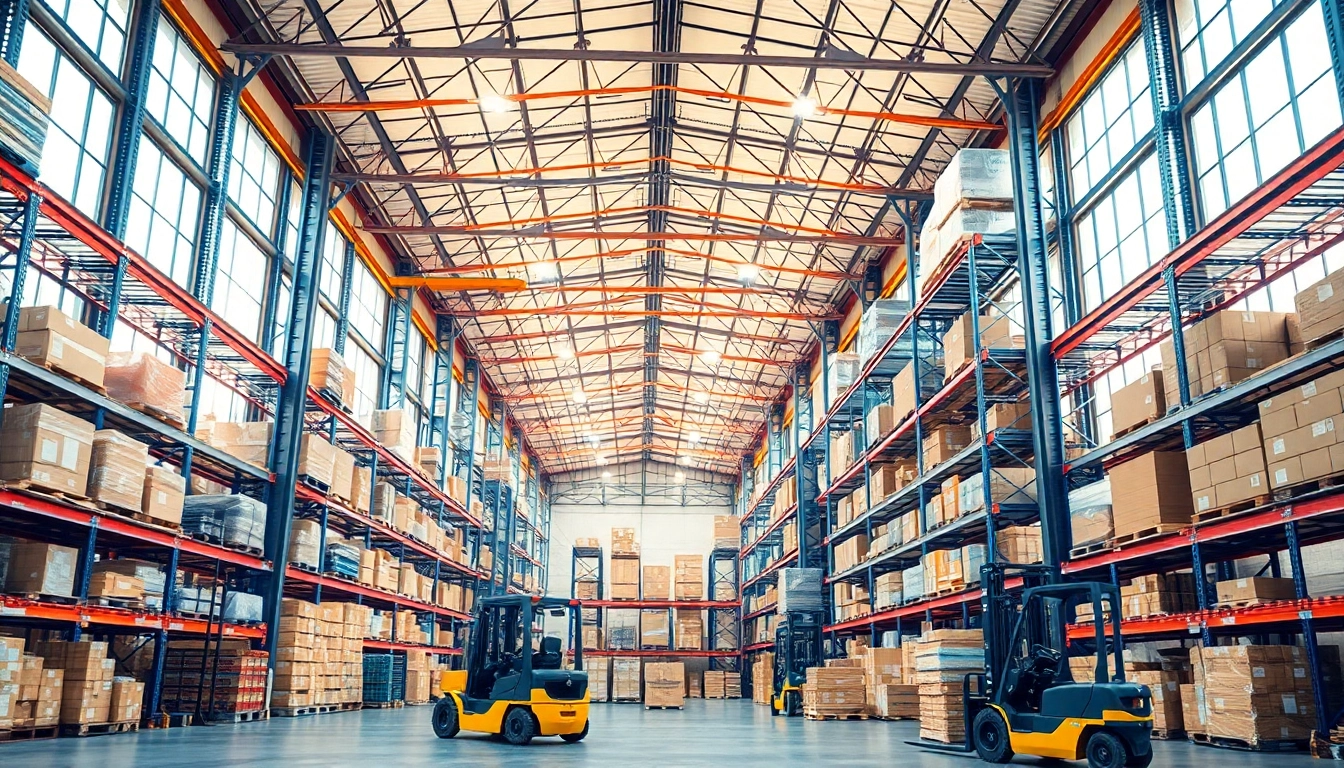
Commercial roofing pertains to the structure and materials used to cover commercial buildings. Unlike residential roofs that are usually designed for single-family homes, commercial roofs often have flat or low-slope designs, making them suitable for a variety of property types, including offices, retail spaces, warehouses, and industrial facilities. These roofs are engineered to support larger HVAC systems, reflect heat for energy efficiency, and maintain integrity against severe weather conditions such as heavy rain or snow.
Benefits of Commercial Roofing Solutions
Investing in proper commercial roofing solutions can bring a multitude of benefits:
- Enhanced Durability: Commercial roofing systems are specifically designed to withstand weather extremes, thereby extending their lifespan and reducing replacement costs.
- Energy Efficiency: Many commercial roofs utilize reflective materials that can minimize heat absorption, aiding in energy savings.
- Aesthetic Value: Modern commercial roofs can be customized to align with branding and architectural aesthetics, ensuring a cohesive look and feel.
- Versatile Applications: From green roofs to rooftop gardens, commercial roofing allows for innovative uses of rooftop space.
Key Differences Between Commercial and Residential Roofing
While both commercial and residential roofing serves the same primary function of shelter, several critical differences exist:
- Design Complexity: Commercial roofing often involves more complex design requirements to comply with local codes and accommodate large equipment.
- Material Variety: Unlike residential roofing, which typically uses shingles or tiles, commercial roofs often employ materials such as TPO, EPDM, or modified bitumen that cater to larger surface areas and unique structural needs.
- Maintenance Needs: Commercial roofs require more regular inspections and proactive maintenance due to their size and exposure to environmental factors.
Types of Commercial Roofing Materials
A critical element in any commercial roofing project is the choice of materials. This selection impacts durability, energy efficiency, and maintenance requirements.
Exploring Popular Materials: TPO, EPDM, and Metal
Here’s a closer look at some common types of roofing materials:
- TPO (Thermoplastic Olefin): Popular for its reflective properties and cost-effectiveness, TPO is a single-ply membrane that provides excellent energy efficiency.
- EPDM (Ethylene Propylene Diene Monomer): Known for its longevity and robustness, EPDM is a synthetic rubber roofing that is perfect for flat roofs.
- Metal Roofing: Resilient and stylish, metal roofs can reflect sunlight, enhancing energy efficiency while offering a modern aesthetic.
Factors Influencing Material Choice
The selection of roofing materials is influenced by several factors:
- Climate: The local weather pattern plays a crucial role. For instance, regions prone to heavy snowfall might require stronger materials.
- Building Design: The roof’s architecture and its intended use will affect material choice. For instance, a green roof necessitates specialized materials for support.
- Budget: The initial investment and long-term maintenance costs associated with different materials should be evaluated.
Environmental Impact and Sustainability Options
Today, many commercial property owners strive for sustainable roofing options that reduce their environmental footprint. Sustainable materials, including green roofing systems that incorporate vegetation, can enhance energy efficiency and manage stormwater effectively. Additionally, materials such as cool roofing can reflect more sunlight, contributing to lower building temperatures and reduced energy usage.
Installation Process of Commercial Roofing
The installation process for commercial roofing plays a pivotal role in the final performance and longevity of the roofing system.
Step-by-Step Guide to Installation
The installation of a commercial roof typically follows these essential steps:
- Preparation: Evaluating the existing roof structure and ensuring it can support the new roofing system.
- Material Selection: Choosing the appropriate materials based on climate, budget, and building specifications.
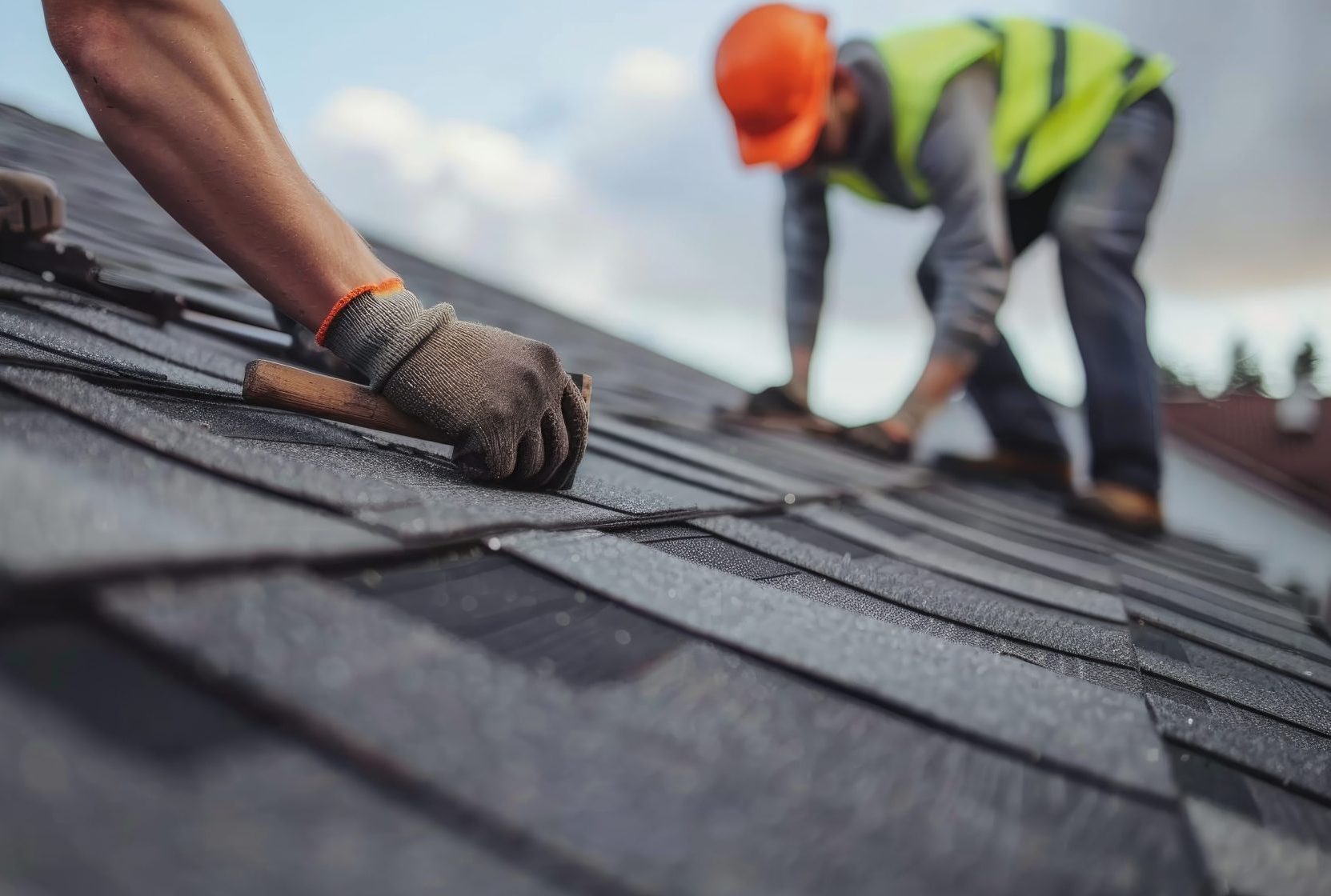
- Installation: Following the manufacturer’s specifications meticulously to install the roofing system, addressing elements such as drainage and flashing.
- Final Inspection: Conducting a thorough inspection to ensure compliance with safety standards and efficiency criteria.
Importance of Professional Roofing Contractors
Hiring professional contractors is crucial to ensure that the commercial roofing installation adheres to industry standards and guidelines. Experienced professionals can mitigate potential installation errors that might compromise the roof’s integrity. Additionally, they are well-versed in local building codes, which is essential for obtaining necessary permits.
Common Mistakes to Avoid During Installation
Proper planning and execution are vital. Common pitfalls include:
- Neglecting to account for drainage systems, which can lead to pooling water and premature wear.
- Choosing unsuitable materials for the building type or location, risking damage and inefficiency.
- Failing to conduct regular inspections during installation, which can allow minor errors to escalate.
Maintaining Your Commercial Roof
Proper maintenance is essential to extend the life of any commercial roofing system. Failing to address minor issues can lead to costly repairs down the line.
Routine Inspections: When and How to Conduct
Regular inspections should ideally occur at least twice a year, typically in spring and fall. Additionally, following severe weather events is advised. Property owners should seek professional inspections that might include:
- Identifying signs of wear, such as cracks or blisters in the membrane.
- Assessing the effectiveness of drainage systems to ensure no water accumulation.
- Examining rooftop equipment and ensuring it’s securely mounted and adequately sealed.
Common Commercial Roofing Problems and Solutions
Several issues can arise during the lifetime of a commercial roof:
- Leaks: The most common concern, which can arise from inadequate sealing. Solutions involve timely repairs or sometimes, complete replacement of affected sections.
- Blistering: This occurs when moisture gets trapped under membranes. Prevention often requires careful installation techniques.
- Punctures: Debris or foot traffic can lead to punctures. Boardwalks or protective mats can minimize this risk.
Scheduling Repairs: Best Practices
When repairs are necessary, immediate schedules should be prioritized, especially in the case of leaks or major damage. Partnering with a reliable contractor known for prompt service is crucial in minimizing further damage and operational disruptions.
Cost Factors in Commercial Roofing Projects
The costs associated with commercial roofing projects can vary widely, influenced by numerous factors that must be considered during the budgeting phase.
Estimating Costs: Key Considerations
Key considerations include:
- Roof Size: Larger roofs require more materials and labor, directly impacting costs.
- Material Choices: The type of selected roofing material can significantly influence project costs, both initially and over time.
- Labor Expenses: Depending on the complexity and urgency of the project, labor costs can vary, making it crucial to obtain multiple quotes.
How to Budget for a New Commercial Roof
Effective budgeting involves estimating all costs, including materials, labor, permits, and unanticipated expenses. Property owners should set aside a contingency fund of about 10%-15% of the total estimated costs to accommodate unforeseen conditions or challenges that can arise during installation.
Insurance and Financing Options Available
Most businesses benefit from exploring various insurance policies that cover roofing work, which can significantly alleviate the financial burden in case of damage or necessary repairs. Additionally, financing options provided by roofing contractors or third-party lenders can help property owners manage upfront costs.
Frequently Asked Questions
How much does a 2000 sq ft roof cost?
The cost of a 2,000-square-foot roof can vary depending on material choice. On average, asphalt shingles cost between $10,000 and $18,000, while metal roofing ranges from $20,000 to $38,000.
What is the most common type of commercial roof?
Thermoplastic Polyolefin (TPO) is the most common type of commercial roofing material due to its energy efficiency, cost-effectiveness, and ease of installation.
What is the 25% rule for roofing?
The 25% rule states that if damage to a roof exceeds 25% of its surface area, the insurance may cover the cost of total roof replacement if the original installation was permitted.
How often should commercial roofing be inspected?
Regular inspections are recommended at least twice a year, preferably in spring and fall, as well as after intense weather events to ensure the roof’s integrity.
Can I perform my own roof maintenance?
While minor maintenance like debris removal can be performed by business owners, engaging professional contractors for inspections and repairs is advisable to ensure safety and compliance with building codes.