
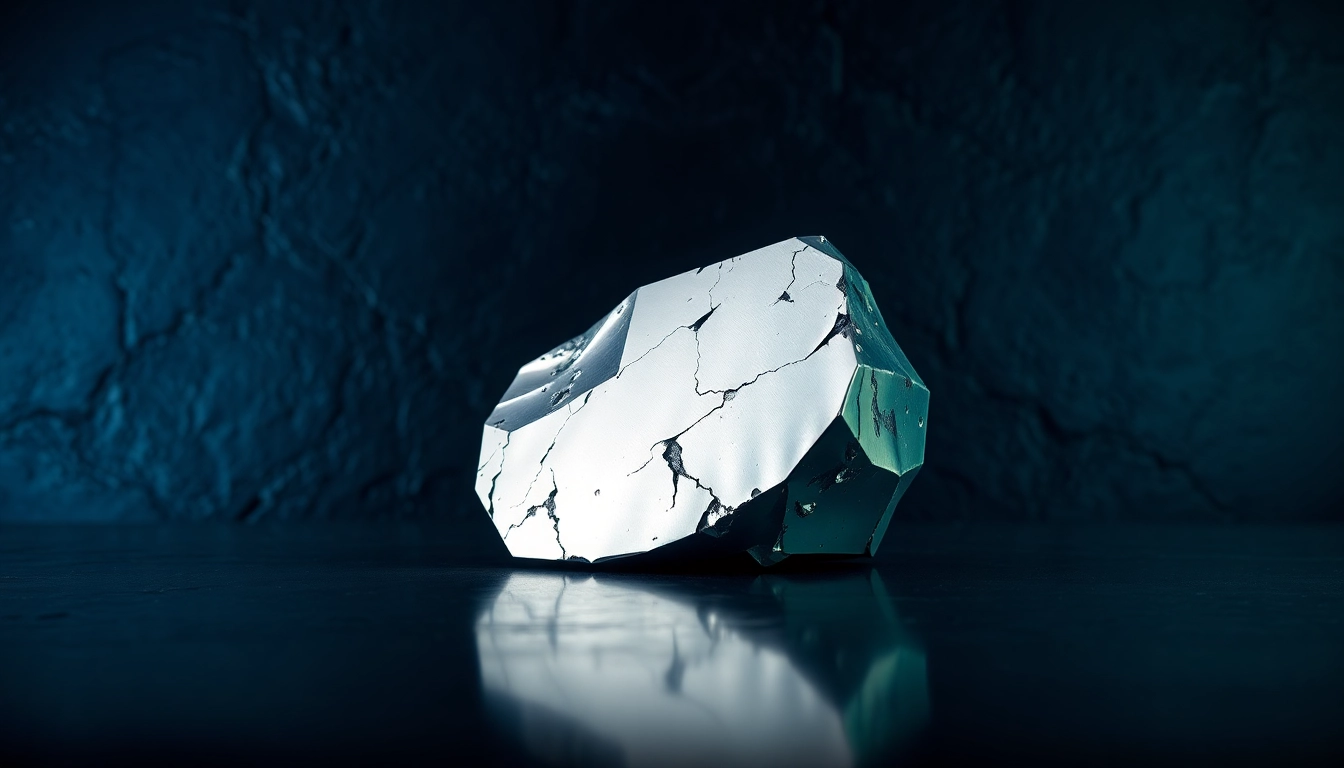
Understanding Minerals Rhodium
What is Minerals Rhodium?
Minerals rhodium refer to a rare, lustrous, silvery-white metal that belongs to the platinum group on the periodic table, denoted by the symbol Rh and atomic number 45. One of the most precious metals, rhodium is primarily known for its exceptional catalytic properties and resistance to corrosion. Its lustrous appearance makes it an attractive choice for various industrial and decorative applications, contributing to its high market value.
Rhodium’s name is derived from the Greek word for “rose,” reflecting its rose-colored salts that are formed during certain reactions. The metal is primarily used in catalytic converters in automobiles, significantly reducing harmful emissions. Additionally, its reflective properties are utilized in jewelry, electronics, and mirrors, making it an integral part of several industries. For more detailed information about minerals rhodium, continue reading.
Characteristics of Minerals Rhodium
Rhodium possesses several unique characteristics that set it apart from other metals. It is known for its:
- Hardness: Rhodium is one of the hardest metals known, making it ideal for applications requiring durability.
- Corrosion Resistance: It is resistant to corrosion and tarnish, which is essential for its long-term use in various environments.
- High Reflectivity: Rhodium has a high reflectivity, used to create bright and shiny finishes in jewelry and mirrors.
- Thermal Stability: Rhodium maintains stability at high temperatures, which is a critical factor in catalytic processes.
Occurrence in Nature
Rhodium is one of the rarest elements in the Earth’s crust, with an average concentration of just 0.001 ppm (parts per million). It is mostly found as a free metal, usually alongside other platinum group metals such as platinum and palladium. The primary sources of rhodium extraction are South Africa, Russia, and North America, where it is often extracted as a byproduct of mining operations for platinum and nickel.
Properties of Minerals Rhodium
Chemical and Physical Properties
Rhodium exhibits unique chemical and physical properties:
- Atomic Mass: 102.91 g/mol, making it a medium-weight metal.
- Melting Point: Approximately 1964 °C (3567 °F), indicating its ability to withstand extremely high temperatures.
- Density: About 12.41 g/cm³, signifying its heaviness and compactness.
- Reactivity: Rhodium is stable in most environments but can react with strong oxidizing agents at high temperatures.
Comparison with Other Precious Metals
When comparing rhodium to other precious metals, several factors stand out:
| Property | Rhodium | Platinum | Palladium |
|---|---|---|---|
| Density | 12.41 g/cm³ | 21.45 g/cm³ | 12.02 g/cm³ |
| Melting Point | 1964 °C | 1768 °C | 1554 °C |
| Corrosion Resistance | High | High | Moderate |
| Cost | High | High | Moderate |
Rhodium’s Role in Catalysis
Rhodium is a cornerstone in the field of catalysis, particularly in the automotive industry. As a catalyst, rhodium is employed in catalytic converters to facilitate the conversion of harmful gases (carbon monoxide, hydrocarbons, and nitrogen oxides) into less harmful emissions. Its efficiency in speeding up chemical reactions without being consumed in the process makes it invaluable in enhancing environmental performance within vehicles. Moreover, rhodium’s catalytic properties extend beyond the automotive sector, playing critical roles in various chemical reactions in the pharmaceutical and industrial fields.
Applications of Minerals Rhodium
Industrial Uses of Minerals Rhodium
Rhodium’s industrial applications are numerous and diverse. The most notable uses include:
- Catalytic Converters: As mentioned, rhodium is essential in automotive technologies, contributing to cleaner emissions.
- Electronics: Rhodium is utilized in electrical contacts and connectors due to its excellent conductivity and corrosion resistance.
- Specialty Glass: It is used to manufacture high-performance glass and optics owing to its reflective qualities.
- Hydrogen Production: As a catalyst in water treatment and hydrogen generation processes, rhodium aids in the production of clean energy sources.
Rhodium in Jewelry and Plating
The jewelry industry highly values rhodium for its reflective properties and corrosion resistance. Rhodium plating is a common practice that improves the appearance and longevity of jewelry items made from other metals, such as gold and silver. The plating process not only enhances the shine but also protects against scratches and tarnishing, allowing pieces to maintain their aesthetic appeal over time.
Impact on Environmental Technologies
Rhodium plays an essential role in promoting environmental sustainability. By mitigating harmful emissions from vehicles and industrial processes, rhodium contributes significantly to reducing air pollution. Furthermore, its applications in hydrogen production and green technologies align with global efforts to transition towards sustainable energy sources. The increasing focus on environmental regulations and clean technology is expected to bolster demand for rhodium, making it a driving force in future advancements in environmental technologies.
Market Trends and Prices of Minerals Rhodium
Current Market Trends for Minerals Rhodium
As of the current market landscape, rhodium prices have seen substantial fluctuations, primarily driven by supply-demand dynamics. The convergence of rigorous emissions regulations and a surge in electric vehicle adoption has heightened the demand for rhodium in catalytic converters. Consequently, prices have spiked dramatically over recent years, making rhodium one of the most expensive precious metals.
Factors Influencing Price Fluctuations
Several factors contribute to the fluctuations in rhodium prices:
- Mining Supply: Since rhodium is primarily extracted as a byproduct, any disruption in the platinum and palladium mining can affect its supply chain.
- Automobile Production Rates: Increases or decreases in automobile manufacturing directly influence the demand for rhodium for catalytic converters.
- Environmental Legislation: Stricter emissions standards globally tend to increase demand for rhodium, hence impacting its pricing.
- Investment Demand: As more investors turn to precious metals as a hedge against inflation, the demand for rhodium as an investment gold increases.
Investment Opportunities in Minerals Rhodium
Investing in rhodium can be a lucrative opportunity due to its limited availability and potential for high returns. Various avenues exist for investors:
- Physical Bullion: Purchasing rhodium in physical form (bars or coins) allows direct ownership.
- Exchange-Traded Funds (ETFs): ETFs investing in precious metals often provide exposure to rhodium alongside other metals.
- Mining Stocks: Investing in companies that mine platinum group metals can offer indirect exposure to fluctuations in rhodium prices.
FAQs About Minerals Rhodium
What minerals contain rhodium?
Rhodium is found in minerals such as cuprorhodsite, cherepanovite, polkanovite, and miassite, typically alongside platinum group metals.
How is rhodium used in industries?
Rhodium is primarily used in catalytic converters, electronics, and jewelry plating due to its corrosion resistance and reflective qualities.
What are the health effects of minerals rhodium?
Rhodium is not known to have significant health effects at exposure levels normally encountered in industrial settings, though safety precautions are recommended.
Where is rhodium primarily mined?
Rhodium is predominantly mined in South Africa, Russia, and Canada, often in association with platinum and palladium extraction.
What makes rhodium so valuable?
Rhodium’s rarity, combined with its essential role in reducing emissions in automotive catalysts, drives high demand and value in global markets.