
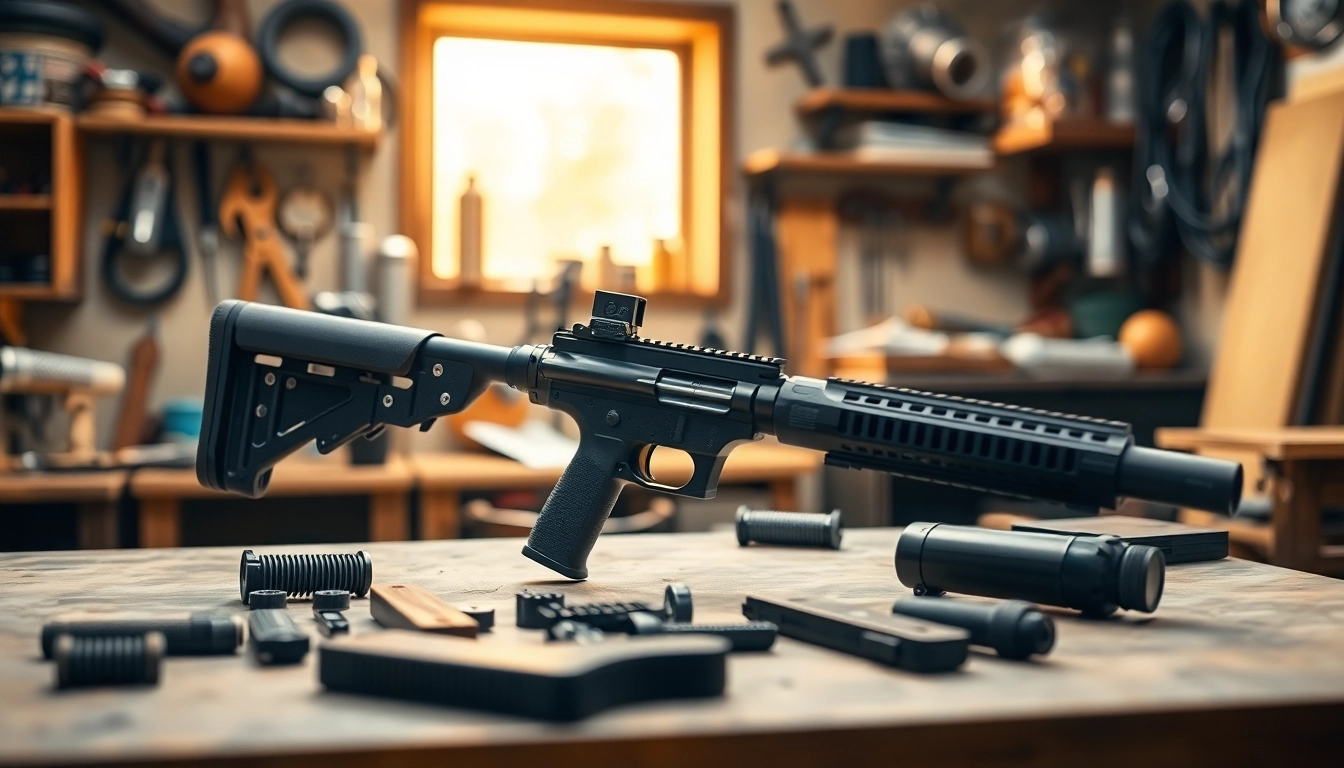
Understanding the Polymer-80 Handgun
What is a Polymer-80 Handgun?
A Polymer-80 handgun refers to a type of firearm kit that allows individuals to build their own handguns using unfinished receivers. These kits typically include components necessary for assembly, including frames, barrels, and internal parts. This approach gives gun enthusiasts the freedom to customize their handgun according to personal preferences, resulting in a DIY firearm that reflects the builder’s style and needs.polymer-80 handgun manufacturing originated from the desire for enhanced control over firearm construction, leading to popular models that perform on par with factory-produced firearms.
Components of the Polymer-80 Handgun
The primary components of a Polymer-80 handgun kit typically include:
- Frame: This is the core structure that houses all other components. It is usually made of durable polymer material.
- Lower Parts Kit (LPK): This includes various essential internal components like the trigger, trigger bar, disconnector, and magazine release.
- Slide Assembly: The slide contains the barrel and is the upper part of the handgun. It is responsible for housing the firing mechanism.
- Barrel: Critical for the weapon’s firing mechanism, the barrel dictates caliber and accuracy.
- Recoil Spring Assembly: This helps in returning the slide to its original position after firing.
Building your own polymer-80 handgun allows for customization in terms of ergonomics and aesthetics, which can drastically enhance the shooting experience.
Legal Considerations for Building a Polymer-80 Handgun
Building a Polymer-80 handgun involves navigating a complex landscape of legal considerations. Laws governing firearms and DIY kits differ by state and can sometimes be confusing. Here are some essential areas to consider:
- Age Restrictions: Generally, individuals must be at least 18 years old to purchase firearm components.
- Background Checks: Some states may require a background check before the purchase of components.
- State Laws: Some states classify ghost guns, like those built from Polymer-80 kits, under stringent regulations or outright bans.
- Serial Numbers: Depending on local laws, you may be required to serialize your finished product, especially if you intend to sell it.
Being informed about the legal requirements can prevent any unintended legal issues.
Preparing for Assembly
Essential Tools Required
To successfully assemble a Polymer-80 handgun, a few essential tools are necessary:
- Drill Press or Hand Drill: For precise drilling of holes in the frame.
- Hacksaw: If there are polymer parts that need trimming or adjusting.
- Files and Sandpaper: For smoothing out rough edges after drilling.
- Torx and Hex Tools: Common for tightening screws during assembly.
- Square and Level: To ensure components are aligned properly.
Having the right tools makes the assembly process more manageable and promotes a successful build.
Choosing Quality Parts
The quality of the components plays a huge role in the performance and reliability of your finished product. When sourcing parts for your Polymer-80 handgun, consider the following:
- Compatibility: Ensure that the parts are specifically designed for the Polymer-80 frame to fit properly.
- Reputation: Look for reputable manufacturers known for quality. Research customer reviews and product performance.
- Material Quality: Higher-quality materials generally yield a more durable and reliable firearm.
Investing in quality parts can drastically enhance the longevity and functionality of your Polymer-80 handgun.
Safety Precautions During Assembly
Safety should always be the foremost priority when assembling a Polymer-80 handgun. Consider these safety precautions:
- Eye Protection: Wearing safety glasses protects against debris when drilling.
- Work Area: Maintain a clean, organized workspace to prevent accidents and lost parts.
- Follow Instructions: Stick to the provided assembly instructions to avoid mistakes.
- Handle with Care: Remember that parts are fragile and can break if mishandled.
By adhering to safety precautions, you protect not only yourself but also ensure a smooth assembly process.
Step-by-Step Assembly Process
Preparing Frame and Lower Parts Kit
The assembly begins with preparing the frame. Locate the serialized portion of the Polymer-80 frame and prepare for installation of the lower parts kit (LPK).
Steps include:
- Drill any necessary holes according to the instructions provided in the kit.
- Install the LPK components into the frame — this generally starts with the trigger and sear assembly.
- Check functionality regularly to ensure all parts are fitting correctly before moving on to the next steps.
Adding Barrel and Slide Assembly
Once the frame is prepared, you can move on to the barrel and slide assembly. Here’s how to proceed:
- Attach the barrel to the slide by tightening the barrel nut.
- Ensure the recoil spring is properly installed in the slide before mounting it onto the frame.
- Check that the slide operates smoothly once attached and that all components are functioning correctly.
Finalizing and Testing Your Polymer-80 Handgun
After the assembly is complete, testing is crucial. This step ensures that everything works as expected:
- Perform a function check to ensure that all controls engage and operate as intended.
- Inspect for any visual defects or pieces that may have been installed incorrectly.
- Conduct a safe test fire on a controlled range to evaluate reliability and performance.
This is an essential phase to identify any potential issues before routine use.
Customizing Your Polymer-80 Handgun
Popular Upgrades and Modifications
Customization is one of the most appealing aspects of owning a Polymer-80 handgun. Here are some popular upgrades:
- Sights: Upgrading to high-visibility sights can enhance aiming accuracy.
- Triggers: Aftermarket triggers can offer better feel and responsiveness.
- Grips: Enhanced grip options can improve comfort and control.
Choosing the Right Accessories
A variety of accessories can enhance the functionality of your Polymer-80 handgun, including:
- Holsters: A quality, custom-fitted holster adds convenience and safety.
- Magazines: Extra magazines improve reload speed during practice.
- Lights/Lasers: For tactical applications, adding attachments can increase visibility.
Maintaining Your Polymer-80 Handgun for Longevity
Maintenance is vital for any firearm. To keep your Polymer-80 handgun in optimal condition:
- Regularly clean the barrel and internal parts to prevent buildup.
- Inspect the recoil spring and replace as needed; springs can wear out over time.
- Store responsibly to prevent damage from environmental factors.
Following a routine maintenance schedule can vastly extend the lifespan of your handgun.
Frequently Asked Questions
Are Polymer-80 Handguns Legal?
Legality varies by state. Some states have specific regulations for ghost guns, including building and ownership. Always check local laws for clarification.
How Difficult is it to Build a Polymer-80 Handgun?
Building a Polymer-80 handgun varies in difficulty. With the right tools and following instructions carefully, most enthusiasts can successfully complete the assembly.
What Tools Do I Need for Assembly?
Essential tools include a drill, hacksaw, files, screwdrivers (Torx and hex), and safety glasses. These tools will help ensure accurate assembly.
Can I Customize My Polymer-80 Handgun?
Yes! Customization is one of the appealing aspects of building a Polymer-80. Upgrades to grips, triggers, and sights are common enhancements.
What Maintenance Should I Perform?
Routine maintenance includes regular cleaning of the barrel and internals, checking the recoil spring, and proper storage to avoid environmental damage.