
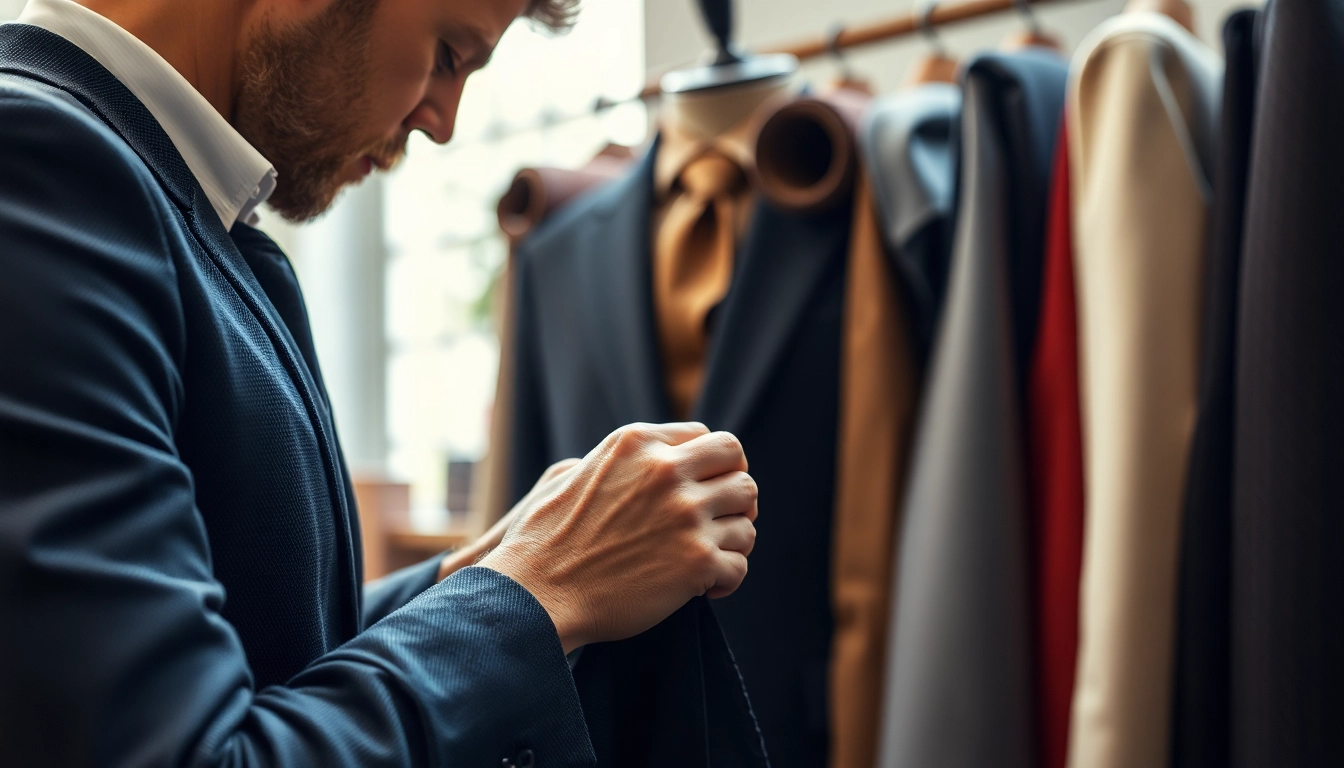
Understanding Tailor Made Bespoke Suits
Choosing a suit that reflects your personality and style can be a daunting task, especially with the myriad of options available in the market today. However, the allure of Tailor made bespoke suits lies not just in their craftsmanship but also in the precision and individuality they offer. This article delves into the intricacies of bespoke tailoring, emphasizing its advantages, the process involved, and valuable tips for maintenance and choice.
What Are Bespoke Suits?
Bespoke suits are custom-made garments tailored to the wearer’s specific measurements and preferences. The term “bespoke” originates from the English tailoring tradition, referring to clothing that is “spoken for” by a client. Unlike ready-to-wear clothing, bespoke suits are made from scratch, allowing for personalization in style, fabric, and fit.
This intensive process typically involves multiple fittings and consultations with a skilled tailor who understands the nuances of both fashion and fit. Bespoke suits are characterized by their superior quality materials and craftsmanship. They often take several weeks to create, reflecting the time and effort put into each piece.
Advantages of Tailor Made Bespoke Suits
The primary advantage of tailor made bespoke suits is the perfect fit they offer. Traditional off-the-rack suits seldom provide the ideal silhouette, often requiring alterations that can compromise the overall look. In contrast, bespoke suits ensure that every element, from the shoulder seams to the waistline, is designed to fit the wearer’s body perfectly.
Additionally, bespoke suits provide a unique opportunity for individual expression. Clients can select fabrics, styles, and various features, such as lapel types, pocket styles, and button configurations, enabling them to create something that truly reflects their personality. This level of customization also allows wearers to choose materials suitable for different occasions, whether for business, formal events, or casual outings.
Common Misconceptions About Bespoke Suits
Despite the clear advantages, there are many misconceptions surrounding bespoke suits. One prevalent myth is that bespoke tailoring is prohibitively expensive. While bespoke suits often come with a higher price tag than off-the-rack options, they offer exceptional value due to their longevity, fit, and individualized service.
Another common misconception is that bespoke tailoring is only for certain occasions. In reality, bespoke suits can be designed for everyday wear, allowing for both style and comfort in various settings. It’s important to note that the bespoke process is also time-consuming, leading some to believe that it might not suit those with busy lifestyles. However, many tailors are adapting their services to accommodate modern schedules, ensuring that quality can coexist with convenience.
The Tailoring Process Explained
Initial Consultation: What to Expect
The initial consultation is crucial. During this meeting, the tailor will discuss the client’s preferences, wear patterns, and functional requirements. It’s a collaborative process where the tailor provides input on styles and fabrics that suit the client’s body type and aesthetic.
Clients should come prepared to discuss any inspirations they may have, bringing along references from magazines or photos to illustrate their vision. This meeting is also an opportunity for clients to learn about the different fabrics available, from wool and cotton to linen and blends. The focus should be on establishing a clear understanding of the goals for the bespoke suit.
Measurements and Fittings: A Step-By-Step Guide
Accurate measurements are paramount in creating a bespoke suit. The process typically involves several stages:
- Initial Measurements: The tailor takes various measurements, including chest, waist, hips, sleeve length, and inseam. Additionally, posture and stance are considered, as they influence the suit’s cut.
- First Fitting: A “baste fitting” allows the client to try on a rough version of the suit. This is an opportunity to make adjustments before finalizing the design.
- Final Fitting: After making the necessary adjustments, a final fitting ensures that every aspect of the suit is tailored perfectly.
This iterative process guarantees that the suit fits snugly while allowing the client to move comfortably.
Fabric Selection: Choosing the Right Material
Choosing the right fabric is critical to the overall quality and appearance of a bespoke suit. Fabric choices range greatly in weight, texture, and pattern. Common fabric types include:
- Wool: Known for its durability and versatility, wool is the most popular fabric for bespoke suits.
- Cashmere: A luxurious choice, cashmere suits easily transition from day to night.
- Linen: Ideal for warmer climates, linen offers breathability and comfort but tends to wrinkle easily.
Ultimately, the choice of fabric should align with the intended use of the suit, as well as the desired comfort and level of formality.
Choosing the Right Style for Your Needs
Classic vs Modern Styles in Tailor Made Bespoke Suits
When opting for a bespoke suit, one of the fundamental decisions to make is choosing between a classic or modern style. Classic styles are typically characterized by timeless cuts and colors, such as black, navy, or charcoal grey, and are often preferred for formal settings.
On the other hand, modern suits may incorporate bolder colors, patterns, and cuts, often reflecting current fashion trends. When deciding on the style, consider your lifestyle and where you plan to wear the suit most often.
Common Customization Options
The beauty of bespoke suits lies in their customization. Some popular options include:
- Lapel Styles: The choice between notch, shawl, and peak lapels can drastically change the suit’s silhouette.
- Pockets: Jetted, flap, or ticket pockets, each serve a different aesthetic and functional purpose.
- Button Styles: Choosing between single-breasted or double-breasted options can alter the suit’s essence.
Customization allows wearers to express personal style while ensuring comfort and functionality.
How to Decide on Suit Features
When choosing features for a bespoke suit, consider factors such as occasion, personal style, and functionality. If the suit is intended for business, opt for classic colors and cuts, whereas a suit for social events can incorporate unique colors or patterns. Additionally, always consult with the tailor to understand how various features will affect fit and comfort.
Maintaining Your Bespoke Suit
Care Tips for Long-Lasting Wear
With proper care, a tailor made bespoke suit can last for many years. Here are some essential care tips:
- Avoid frequent dry cleaning as it can damage the fibers; instead, air out the suit after each wear.
- Use a suit brush to remove dust and lint.
- Store the suit on a wide, padded hanger to preserve its shape.
When to Get Your Suit Altered
Even tailored suits may require adjustments over time due to changes in body shape or style preferences. Schedule alterations when you notice any discomfort, such as tightness across the shoulders or looseness around the waist. Regular adjustments will ensure your suit continues to fit as intended.
Cleaning and Storage Guidelines
For cleaning, follow the care label guidelines. When it comes to storage, ensure that your bespoke suit is kept in a cool, dry place to prevent mildew and odor. Avoid cramming the suit into tight spaces, as this can cause creases and damage fabric fibers.
Frequently Asked Questions About Tailor Made Bespoke Suits
How much can I expect to pay for a tailor made bespoke suit?
The cost of a bespoke suit varies greatly based on fabric, tailor experience, and customization level. Prices typically start in the mid-range and can go up significantly for high-end materials and exclusive tailoring services.
How long does it take to get a tailor made bespoke suit?
Creating a bespoke suit can take anywhere from 4 to 12 weeks, depending on the tailor and the complexity of the design. This timeframe includes fittings and adjustments necessary to achieve the perfect fit.
What should I bring to my fitting appointment?
It’s advisable to bring along any clothing that fits well for reference and any garment styles you admire. Notes on preferences regarding style, color, and features can also facilitate fruitful discussions with the tailor.
Can I personalize my suit with unique features?
Yes, bespoke suits offer extensive customization options to reflect your personal style. From fabric choice to specific cuff styles, you can tailor nearly every aspect of the suit to your liking.
What’s the difference between bespoke and off-the-rack suits?
Bespoke suits are individually tailored for a perfect fit and often feature superior materials, while off-the-rack suits are mass-produced and may require alterations to achieve a decent fit. The bespoke process guarantees a uniquely crafted garment tailored to individual measurements and preferences.
