Understanding Emergency Plumbing Services
What are Emergency Plumbing Services?
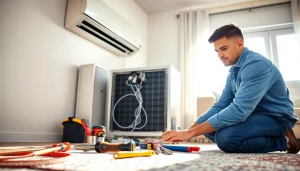
Emergency plumbing services are specialized plumbing solutions designed to address urgent issues that require immediate attention. These situations can arise at any time, day or night, and include problems such as burst pipes, overflowing toilets, severe leaks, or malfunctioning water heaters. In many cases, these problems can lead to extensive property damage if not addressed promptly. The availability of emergency plumbing services ensures that homeowners and businesses can receive professional assistance quickly, minimizing inconvenience and potential damage.
Signs You Need Emergency Plumbing Help
Recognizing the signs that indicate the need for emergency plumbing services is crucial to preventing extensive damage and costly repairs. Common indicators include:
- Severe Water Leaks: If you notice water pooling in your home or office, it may indicate a significant leak that needs immediate attention.
- Clogged Drains: If multiple drains or toilets are backed up, it can signal a serious blockage in the plumbing system.
- No Hot Water: An unexpected lack of hot water, especially in cold weather, can disrupt daily activities and require urgent repair.
- Unusual Noises: Sounds such as gurgling, banging, or hissing coming from your plumbing can indicate a problem that needs prompt inspection.
- Flooding: Any flooding within your property must be addressed immediately to prevent structural damage and mold growth.
The Importance of 24/7 Availability
The unpredictable nature of plumbing emergencies necessitates the availability of 24/7 plumbing services. When an urgent issue arises at an inconvenient time, having access to professional assistance can mitigate damage significantly. A responsive plumbing service can provide immediate action steps and solutions, alleviating stress and restoring normalcy swiftly. Moreover, 24/7 availability reflects a plumbing service’s commitment to their clients and their readiness to handle emergencies effectively.
Choosing the Right Plumbing Service
Factors to Consider When Selecting a Plumber
When it comes to selecting a plumbing service, several key factors can influence your decision. These include:
- Licensing and Insurance: Ensure the plumber holds the necessary licenses and insurance to protect you and your property.
- Experience: Opt for a plumbing service with a proven track record and extensive experience in addressing a variety of plumbing issues.
- Service Range: Choose a plumbing service that offers a range of services, from minor repairs to major installations and emergencies.
- Warranty and Guarantees: Look for companies that provide warranties on their work, as this indicates confidence in their services.
How to Compare Plumbing Services
Comparing plumbing services requires a systematic approach. Start by gathering a list of potential plumber candidates within your vicinity, looking at their service offerings and pricing. Evaluate the following:
- Availability: Check if they provide 24/7 services and how quickly they can respond to an emergency.
- Pricing Structure: Consider whether they have flat rates or hourly charges, and ensure that there are no hidden fees.
- Customer Reviews: Reading reviews and testimonials from previous customers can provide insights into the quality of service and reliability.
- Response Times: Consider how quickly they promise to arrive at your location in case of an emergency.
Using Reviews to Gauge Reliability
Online reviews and testimonials play a vital role in assessing the reliability of a plumbing service. Websites such as Yelp or Google Reviews can help shed light on the experiences of other clients. Pay attention to comments regarding the quality of service, professionalism, and responsiveness. A pattern of positive feedback often indicates a trustworthy and competent plumbing service. Conversely, consistent negative feedback should raise red flags.
Benefits of Professional Plumbing Assistance
Cost-Effectiveness of Professional Services
While hiring a professional plumber may seem like an added expense, it often proves to be more cost-effective in the long run. Professionals have the experience and tools to diagnose issues accurately and implement solutions efficiently, reducing the likelihood of future problems. Moreover, improper repairs can lead to rework, further costs, and potential property damage. Investing in professional plumbing services can ultimately save you money and ensure peace of mind.
Expertise in Handling Complex Problems
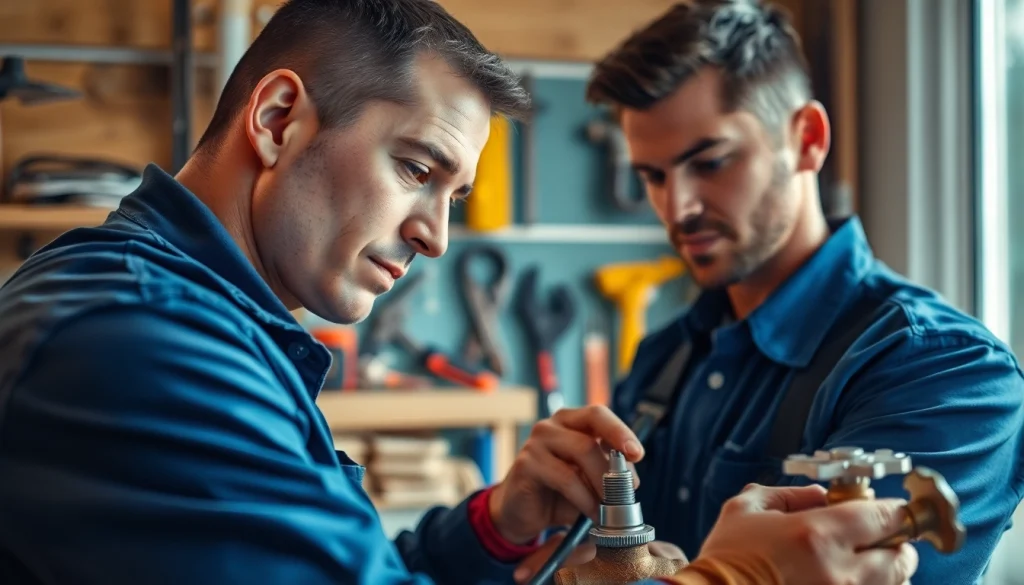
Professional plumbers are trained to handle a wide range of issues, from minor leaks to complex piping systems. Their expertise allows them to identify underlying problems that may not be immediately apparent. This level of skill is especially crucial in emergency situations, as they can diagnose and resolve issues quickly to prevent further complications.
Long-Term Maintenance Benefits
Routine maintenance performed by professional plumbers can extend the lifespan of your plumbing system, preventing emergencies before they arise. Regular inspections and timely repairs can help identify potential issues early, saving you from costly repairs down the line. Establishing a long-term relationship with a reliable plumbing service can provide you with consistent support and advice for maintaining your plumbing systems effectively.
Plumbing Tools and Techniques
Essential Tools Every Plumber Uses
Professional plumbers rely on a variety of tools to perform their jobs efficiently. Some essential tools include:
- Pipe Wrench: This adjustable wrench is used to grip and turn pipes and fittings.
- Plumber’s Tape: Also known as Teflon tape, this helps seal threaded plumbing connections to prevent leaks.
- Drain Snake: A flexible tool used to remove clogs from drains and pipes.
- Pipe Cutter: Essential for cutting pipes cleanly and accurately.
- Plumbing Auger: This tool helps clear blockages that are deeper than typical drain snakes can reach.
Latest Techniques in Plumbing Repair
The plumbing industry continually evolves, incorporating new techniques and technologies to improve efficiency. Techniques such as trenchless pipe replacement allow plumbers to replace old pipes without extensive excavation, reducing both labor costs and disruption to your property. Additionally, video inspection technology provides plumbers with an inside look at plumbing systems, allowing for accurate diagnosis without invasive procedures.
DIY vs. Professional Plumbing Techniques
While many homeowners may attempt DIY plumbing repairs, it’s essential to weigh the pros and cons. Simple tasks such as unclogging drains or replacing faucet washers can generally be handled by savvy DIYers. However, more complex issues, such as fixture installation or pipe replacements, are best left to professionals. Not only do licensed plumbers possess the required skills, but they also understand the regulations and codes, ensuring compliance and safety.
Preparing for Plumbing Emergencies
Steps to Take Before Calling a Plumber
In the event of a plumbing emergency, it’s important to have a plan in place before reaching out to a professional. Here are steps you should take:
- Assess the Situation: Determine the extent of the damage. Is it a minor leak or a significant flood?
- Shut Off Water Supply: If necessary, locate and turn off your home’s main water supply to prevent further damage.
- Document Everything: Take pictures or videos of the issue for reference. This can aid the plumber in understanding the problem better.
- Keep Contact Information Handy: Always have the contact information of your emergency plumbing service readily available.
How to Mitigate Damage in Emergencies
In the unfortunate event of a plumbing emergency, being proactive can help mitigate damage. Some effective strategies include:
- Move Valuable Items: If possible, relocate furniture and personal belongings away from areas affected by water damage.
- Use Towels and Buckets: Employ towels, mops, or buckets to contain leaks until the plumber arrives.
- Shut Off Electrical Sources: Turn off electricity in the affected area to prevent safety hazards.
Creating an Emergency Plumbing Plan
A well-thought-out emergency plumbing plan can make a significant difference in times of crisis. Your plan should include:
- Instructions for Identifying Emergencies: Clearly define what constitutes a plumbing emergency for your household.
- Contact Numbers: Include the contact information for your primary plumbing service, as well as other emergency contacts.
- Emergency Procedures: Outline the steps to take in various plumbing emergencies, ensuring everyone in your household is aware.
- Regular Maintenance Schedule: Implement a routine inspection and maintenance schedule to reduce the likelihood of emergencies.
By proactively understanding emergency plumbing services and being prepared, you can navigate plumbing emergencies with confidence, ensuring that you have the right support whenever needed. For reliable assistance in times of need, you can trust https://speedyservicestoday.com.au for expert plumbing help.