
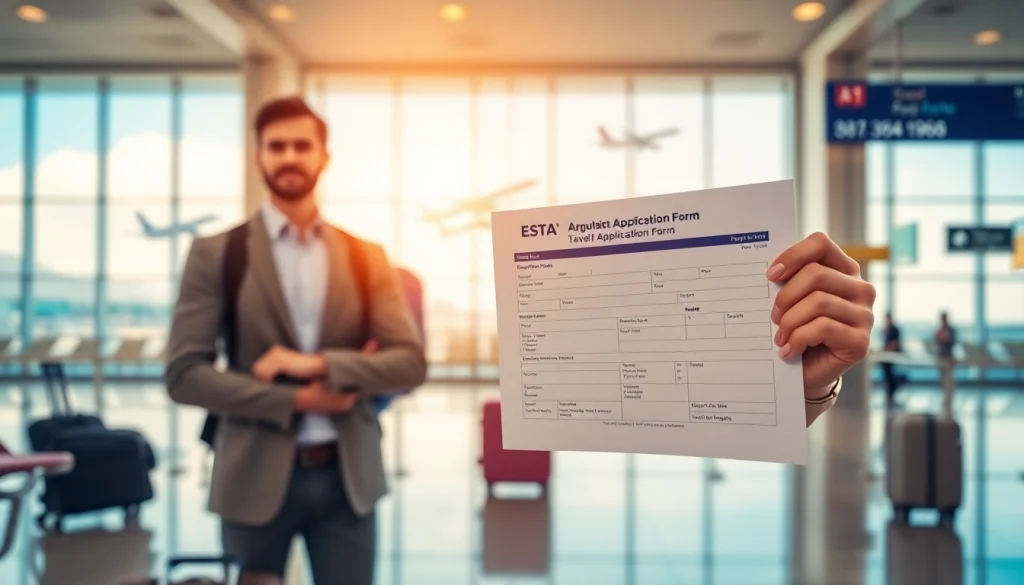
Understanding the ESTA Application
What is ESTA?
The Electronic System for Travel Authorization (ESTA) is a web-based application designed to determine the eligibility of visitors from certain countries to travel to the United States under the Visa Waiver Program (VWP). The VWP allows citizens of participating countries to travel to the U.S. for tourism, business, or while in transit for stays of 90 days or less without needing to obtain a visa. The ESTA system collects biographical information and asks questions related to eligibility and security to ensure the safety of all travelers entering the country. This application process is essential and must be completed prior to boarding any flight or cruise that will take you to the U.S.
Importance of ESTA for Travelers
The ESTA application is crucial for several reasons. Firstly, it streamlines the entry process for international travelers, reducing wait times at airports. Secondly, it acts as a security measure, helping the U.S. government evaluate potential threats before travelers arrive. Furthermore, having an approved ESTA can enhance a traveler’s overall experience by providing peace of mind, knowing their entry has been pre-approved. In an age where security measures are heightened, travelers should recognize the importance of obtaining an ESTA as an essential step in their travel planning. It is also beneficial for travelers to understand that their ESTA is linked electronically to their passport, thus simplifying future trips.
Key Requirements for ESTA Application
To successfully complete your ESTA application, certain key requirements must be met:
- Country of Citizenship: You must be a citizen of a VWP participating country.
- Purpose of Travel: Your trip should be for tourism, business, or transit.
- Passport Validity: Your passport must be valid for the duration of your stay in the U.S. and issued in a machine-readable format.
- Health and Criminal Background: You must not have been previously denied a visa or an ESTA, nor should you pose a health risk or have a criminal history.
- Electronic Communication: You need access to email to receive your ESTA approval or any further communications.
How to Prepare Your ESTA Application
Gathering Necessary Information
Before you start your ESTA application, gather all necessary information to avoid delays and potential rejections. Required data includes:
- Your full name as it appears on your passport.
- Passport number and country of issuance.
- Date of birth and gender.
- A contact email address.
- Details of your travel plans, including the address of your stay in the U.S.
Having this information ready will help streamline the application process and reduce the risk of errors, which can lead to complications.
Common Mistakes to Avoid
Even minor errors can result in a denied ESTA application, so it’s critical to pay attention to details. Common mistakes include:
- Entering incorrect personal information.
- Using an expired or damaged passport.
- Not disclosing past criminal activity.
- Failing to check the eligibility requirements before starting the application.
- Providing an incorrect email address, which could prevent you from receiving your ESTA status.
To avoid these pitfalls, double-check all entered information and ensure that you fulfill all the eligibility requirements prior to submitting your application.
Tips for Accurate Information Submission
Here are some practical tips for ensuring your ESTA application is accurately completed:
- Use Official Documents: Always refer to your passport and other official documents for precise information.
- Review Requirements: Familiarize yourself with ESTA requirements, ensuring that all criteria are met.
- Take Your Time: Don’t rush through your application; taking your time can prevent oversights.
- Confirm Information: Revisit your entries before submitting to ensure accuracy and completeness.
- Keep Track: Save a copy of your submission for your records, including confirmation emails.
Submitting Your ESTA Application
Where to Submit Your ESTA Application
Your ESTA application should be submitted online through the official U.S. government website. It’s essential to only use the authorized platform to prevent any fraudulent activity. Access the application page directly to fill out the required forms and ensure you are providing genuine information. Unauthorized sites may charge additional fees or misuse your personal data. Always prioritize safety and security by using official resources when processing your esta application.
Payment Options for ESTA Fees
Filing an ESTA application involves a fee that can be paid online during the submission process. Currently, the ESTA fee is relatively modest compared to the cost and time required to secure a travel visa. Acceptable payment methods typically include:
- Credit cards (Visa, MasterCard, American Express, and others).
- Debit cards with a Visa or MasterCard logo.
- Third-party payment providers.
Ensure that your payment method is active and in good standing to avoid complications during processing.
Timeline for ESTA Approval
The processing time for an ESTA application is generally quick, often receiving approval within minutes of submission. However, it’s advisable to apply at least 72 hours before your departure to provide ample time for any unexpected delays or additional verifications. In some rare cases, applications may take up to 72 hours or longer if further assessment is needed, so planning ahead is crucial.
After Your ESTA Application is Accepted
What to Do Before Your Trip
Once your ESTA application is approved, the next steps involve preparing for your journey. It’s essential to:
- Review your travel itinerary and confirm your accommodation details in the U.S.
- Ensure your passport is valid and carries the same information you provided in your ESTA application.
- Stay updated on travel restrictions or regulations in light of any health crises to ensure smooth travel.
- Check the customs regulations for any items that may not be allowed during your entry into the U.S.
- Retain your ESTA confirmation email for reference during travel.
Understanding ESTA Validity and Limitations
An approved ESTA is valid for two years or until your passport expires, whichever is earlier. This means that as long as your travel aligns with the conditions set forth, you can make multiple visits to the U.S. during this period without needing to reapply. Nonetheless, each stay must not exceed 90 days. It’s important to note that ESTA does not guarantee entry into the U.S.; it allows you to travel to the U.S. and is subject to the inspection of U.S. Customs and Border Protection upon arrival.
When to Reapply for ESTA
Travelers must reapply for ESTA under various circumstances, such as:
- Expiration of the current ESTA.
- Changes in personal circumstances, such as a change of name, gender, or citizenship.
- If you receive a new passport.
- Eligibility issues, such as being previously denied an ESTA or visa.
Staying informed of when to reapply can help ensure continuous eligibility for travel under the VWP.
Addressing Common Concerns with ESTA
Travel Scenarios That Affect ESTA
Certain travel scenarios may impact your ESTA eligibility. These may include:
- Traveling to countries that may have a visa requirement outside the U.S.
- Having a criminal record or past immigration violations.
- Experiencing health issues that may affect public safety.
Should you fall into any of these categories, it’s critical to consult legal guidance regarding whether to pursue an ESTA or a tourist visa instead.
Dealing with ESTA Denials
Receiving a denial for your ESTA application can be disheartening. However, it’s important to understand the reason behind the denial, which may hinge on factors such as criminal background or other eligibility criteria. Typically, you can apply for a U.S. visa through a U.S. consulate if your ESTA is denied. This process involves a more detailed submission and an interview. Always be truthful in your application process, as misrepresentation can lead to long-lasting repercussions.
Contacting Support for ESTA Issues
If you encounter issues during the ESTA application process or have questions regarding your status, direct contact with U.S. Customs and Border Protection is recommended. They can provide guidance and clarification about the specifics of your application. Official communication channels, such as their help desk or support line, are the best resources for resolving any concerns promptly.