Understanding Steel Fabrication
What is Steel Fabrication?
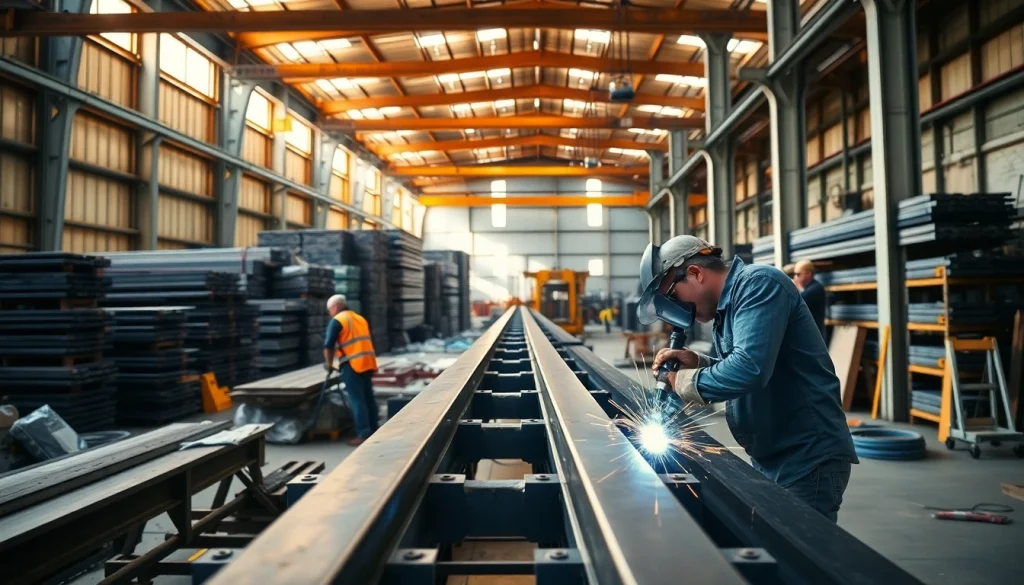
Steel fabrication is a process that involves cutting, shaping, and assembling steel to create structures or components. The process typically requires a high level of technical expertise and may involve various techniques such as welding, machining, and forming. Steel is often chosen for its durability, strength, and versatility, making it a preferred material across numerous industries, including construction, manufacturing, and automotive. Within a steel fabrication shop, skilled professionals utilize advanced equipment and technologies to produce everything from simple metal parts to complex structural systems.
Types of Steel Fabrication Processes
Steel fabrication encompasses various processes, each of which serves specific purposes and applications. Understanding these processes can help you select the right approach for your project:
- Cutting: Utilizes saws, lasers, or plasma torches to slice steel into required dimensions.
- Welding: Joins metal parts through the application of heat, creating a strong bond.
- Machining: Involves removing material from a piece to achieve desired shapes using tools like lathes or mills.
- Bending: Changes the shape of steel by applying force, often used to create angles or curves.
- Assembly: The final step where all fabricated components are brought together to form the complete structure.
Key Benefits of Choosing a Steel Fabrication Shop
Choosing a reliable steel fabrication shop can significantly impact the success of your project. Here are some key benefits:
- Expertise: A dedicated steel fabrication shop has skilled artisans and engineers who understand the nuances of fabrication and can deliver quality results.
- Customization: Steel shops can tailor products to meet specific requirements, offering bespoke solutions for structural integrity and design.
- Efficiency: With streamlined processes and access to advanced machines, these shops can produce components in a timely manner, reducing overall lead time.
- Cost-Effectiveness: Although initial costs may vary, partnering with an experienced shop often results in reduced waste and improved project execution.
- Quality Assurance: Professional fabrication facilities adhere to strict quality standards, ensuring safety and compliance with industry regulations.
Selecting the Right Steel Fabrication Shop
Criteria for Evaluating Steel Fabrication Shops
When looking for a steel fabrication shop, a structured evaluation is crucial. Pay attention to the following criteria:
- Experience: Assess the shop’s background in handling projects similar to yours. A company with years of operation is often more reliable.
- Certifications: Ensure the shop holds necessary certifications, such as ISO or AWS, which reflect their commitment to quality and safety.
- Portfolio: Review past work to gauge the quality and variety of their fabrications, ensuring they match your project’s needs.
- Technology: Investigate the tools and technologies employed. Modern equipment can enhance precision and efficiency.
- Customer Support: A responsive and knowledgeable customer service team enhances collaboration and project flow.
Questions to Ask Before Partnering
Engaging in a dialogue with potential steel fabrication shops is essential. Here are pertinent questions that can reveal vital information:
- What is your typical project timeline for tasks similar to mine?
- How do you ensure quality control throughout the fabrication process?
- What measures do you take in terms of safety and compliance?
- Can you provide references or testimonials from previous clients?
- What is included in your pricing structure?
Reading Customer Reviews and Testimonials
Customer feedback plays a vital role in evaluating the credibility of a steel fabrication shop. Look for both quantity and quality of reviews across multiple platforms. This feedback can shed light on:
- The consistency of quality in the shop’s offerings.
- Response times and customer service interactions.
- Problem-solving capabilities when issues arise during projects.
- Overall satisfaction of previous clients, which can inform your expectations.
Common Challenges in Steel Fabrication
Managing Material Selection
Choosing the right materials is essential in steel fabrication, as it directly impacts the durability and performance of the end product. Factors to consider include:
- Type of Steel: Different grades serve different purposes, such as carbon steel for strength or stainless steel for corrosion resistance.
- Availability: Sourcing materials can affect project timelines; hence, reliable suppliers are crucial.
- Cost Implications: Balancing quality with budget constraints is often a delicate task.
Addressing Quality Control Issues
Quality control is paramount in steel fabrication to ensure that the final product meets required standards. Implementing robust quality management practices can help mitigate issues such as:
- Defects: Systematic inspections at various stages can catch defects early in the process.
- Tolerances: Maintaining specifications prevents costly mistakes during assembly or installation.
- Testing: Conducting necessary tests (e.g., tensile strength tests) can validate the performance of materials used.
Ensuring Safety Standards
The nature of steel fabrication often involves heavy machinery and complex processes, making safety standards critical. Implementing safety protocols includes:
- Training and Compliance: Regular training sessions for employees on safety procedures help cultivate a safety-first culture.
- Protective Equipment: Ensuring workers have access to proper personal protective equipment (PPE) mitigates risks.
- Regular Inspections: Conducting scheduled safety audits can help identify and rectify potential hazards before they lead to accidents.
Best Practices for Working with a Steel Fabrication Shop
Effective Communication with Fabricators
Clear communication is essential in ensuring that both parties are aligned on project expectations and requirements. Strategies for effective communication include:
- Regular Meetings: Schedule periodic check-ins to discuss progress and any concerns that may arise.
- Transparent Documentation: Share detailed specifications and drawings to minimize misunderstandings.
- Open Feedback Channels: Foster a culture where team members can provide and receive constructive feedback without hesitation.
Timeline and Budget Management
Managing timelines and budgets effectively is crucial for project success. Consider the following practices:
- Project Planning: A detailed project plan should outline phases, key milestones, and deadlines.
- Cost Tracking: Regularly monitor expenses against the budget to identify any deviations early on.
- Flexibility: Allow for some adjustment in timelines or budgets to accommodate unforeseen circumstances.
Collaborating on Design and Modifications
Collaboration is key when it comes to making design choices and modifications. Best practices for a successful collaborative process include:
- Involving Fabricators Early: Early engagement of fabricators in the design phase can provide valuable insights and optimize designs for manufacturability.
- Iterative Prototyping: Developing and testing prototypes can help refine designs before full-scale production.
- Documenting Changes: Keep track of all modifications made throughout the process to maintain clarity and avoid confusion.
Measuring Success in Steel Fabrication Projects
Performance Metrics to Track
Measuring success in steel fabrication involves tracking relevant performance metrics, such as:
- On-time Delivery Rate: A critical indicator of a shop’s efficiency and reliability.
- Quality Defect Rate: Monitoring the number of defects can guide quality improvement efforts.
- Cost Variance: Analyzing deviations from the budget can inform financial management strategies.
Feedback Loops for Continuous Improvement
Implementing feedback loops is vital for continuous improvement within any steel fabrication project. These loops can facilitate:
- Regular Review Meetings: Schedule assessments to discuss performance metrics and areas for improvement.
- Surveys and Feedback Forms: After project completion, gather insights from clients and team members about their experiences.
- Action Plans: Develop targeted action plans to implement changes based on feedback received.
Case Studies of Successful Fabrication Projects
Analyzing case studies can provide inspiration and insights for your projects. Key elements to consider include:
- Project Objectives: Understanding the goals and intended outcomes can help inform similar ventures.
- Challenges Overcome: Learn how other projects navigated obstacles and what strategies were deployed.
- Results Achieved: Assess the success metrics from completed projects to gauge what worked effectively.